Why Türkiye for Rhinoplasty and Facelift?
Rhinoplasty in Turkey and facelift in Turkey explain natural-looking results and personalized planning throughout the rhinoplasty, facelift,...

There are some sentences that a child says to their parents that can instantly confuse the mind:
“Mom, I don’t like my nose at all.”
“Dad, I want to have rhinoplasty.”
At that moment, the same questions start running through many parents’ minds:
First of all, it should be said that the idea of rhinoplasty during adolescence is much more common today than many people think. Because adolescence is a period when individuals question themselves intensely, comparisons through social media increase, and the influence of the peer environment becomes stronger. Especially the nose, located right in the center of the face, becomes one of the areas young individuals pay close attention to.
The first important question here is:
This distinction must be made correctly. Because in some young people, a noticeably arched, large, or facially disproportionate nose can seriously affect self-confidence.
In some young people:
such behaviors may be observed.
However, sometimes the situation may only be a temporary influence.
Social media filters, TikTok trends, celebrities, or peer groups can seriously affect young people’s perception of aesthetics.
One of the issues I especially care about is this:
How long has this desire been continuing? Did it appear suddenly? Or is there a real concern that has been present for a long time? Because permanent decisions should not be made based on temporary emotions.
In rhinoplasty, not only chronological age but also the fact that facial development has largely been completed is important. Because surgeries performed while the developmental process is still ongoing may not always provide ideal results. Therefore, when evaluating rhinoplasty in adolescents, both physical development and psychological readiness should be considered together.
Some families reject the situation completely: “Absolutely not.”
Others make a very quick decision: “Okay, let’s do it.”
I do not think either approach is right. First, it is necessary to talk. It is necessary to listen to the child. It is necessary to understand why they feel this way. Because sometimes young people do not actually want aesthetics... They want to be understood.
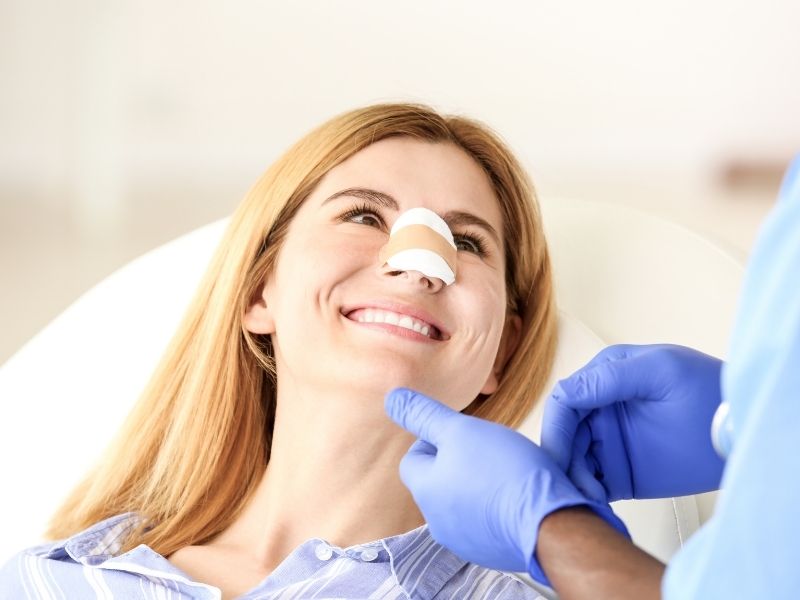
If there is a real concern that has been present for a long time and affects the person’s quality of life, rhinoplasty performed at the right time and with the right planning can make a positive contribution to the young individual’s self-confidence. However, the goal here is not to create a “perfect face.”
The goal is to help the person feel more at peace with their face, more confident, and happier.
In my own practice, I place great importance on family communication, especially in young patients. Because rhinoplasty is not only a technical surgery; it is also a process with a strong psychological aspect.
For this reason, instead of rushing when making a decision, it is necessary to make a proper evaluation, establish healthy communication, and create realistic expectations.
Sometimes the right decision is to perform surgery.
Sometimes it is to wait a little longer…
Rhinoplasty may be considered in some young individuals after the appropriate development process has been completed.
This may vary from person to person. Psychological readiness is as important as physical development.
Yes. Social media filters and aesthetic trends may affect teenagers’ self-confidence and perception.
Positive psychological effects may be seen with proper patient selection and realistic expectations.

Rhinoplasty in Turkey and facelift in Turkey explain natural-looking results and personalized planning throughout the rhinoplasty, facelift,...
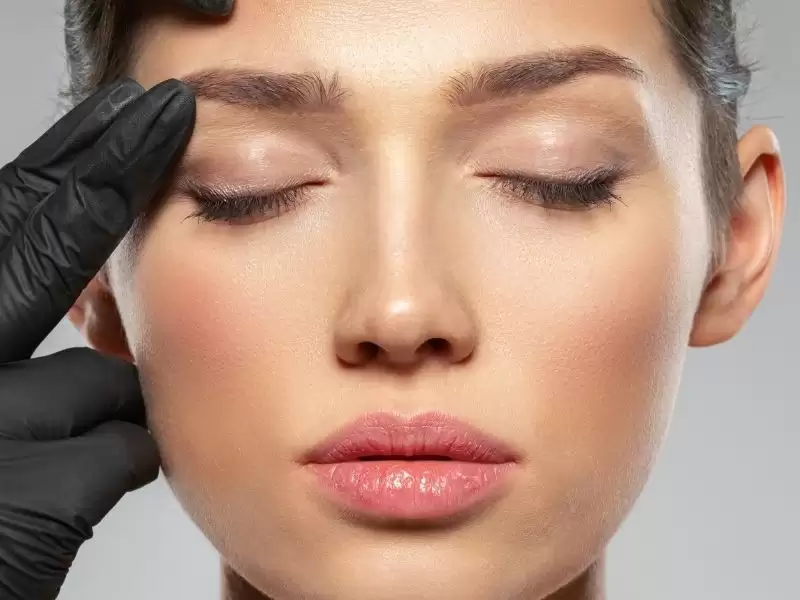
Correct the appearance of drooping eyebrows with brow lift surgery and achieve a younger, more dynamic facial expression. Aesthetic solution...
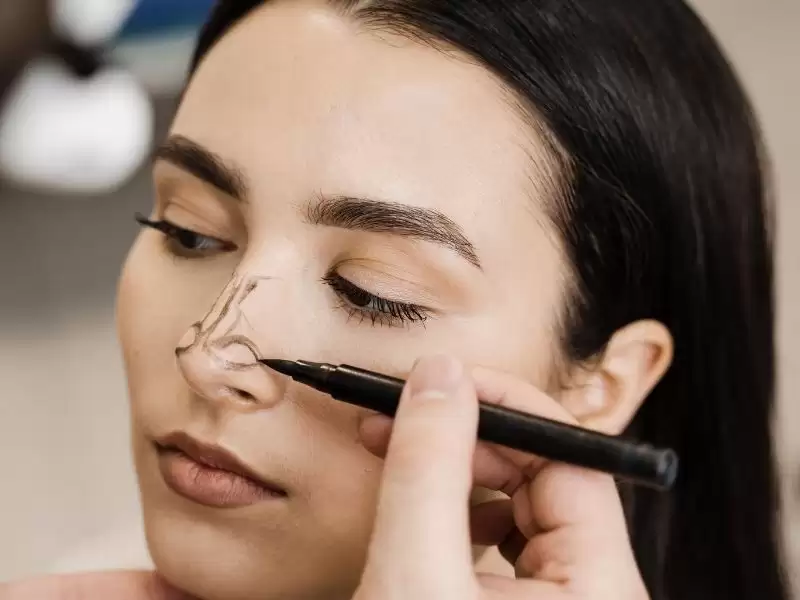
Rhinoplasty under the age of 18 is evaluated individually based on bone development, breathing problems, psychological maturity and parental...