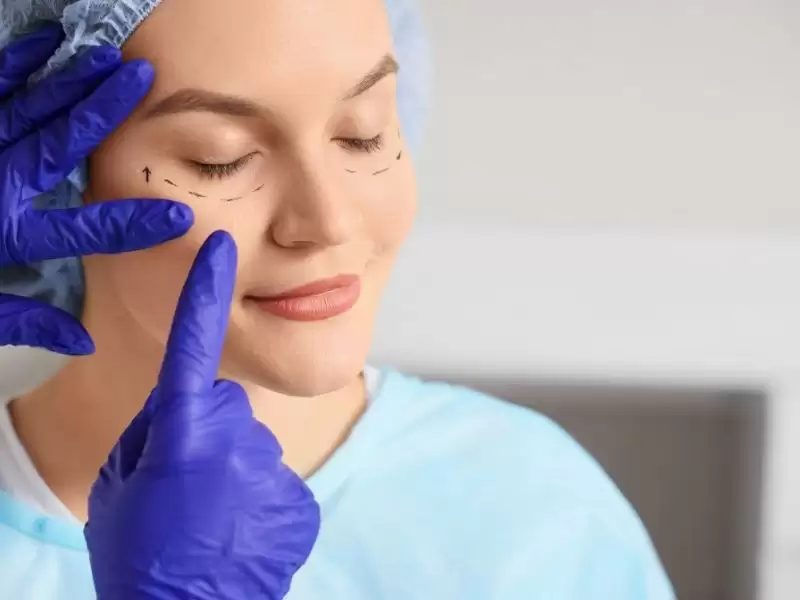
Facelift Surgery
Facelift surgery (rhytidectomy) is an aesthetic surgical procedure that provides a younger, firmer, and natural appearance by eliminating sa...

Temporal brow lift, also known as a lateral brow lift, is a cosmetic procedure designed to address signs of aging in the upper face, especially around the temples and the outer areas of the eyes. This procedure aims to create a younger and more refreshed appearance by lifting and tightening the skin and underlying tissues.
It primarily focuses on the outer brows, temples, and the lateral (outer) areas of the eyes.
It helps lift drooping brows and improve wrinkles and fine lines in the upper face.
It is typically performed under general anesthesia or local anesthesia with sedation.
Small incisions are made within the hairline at the temples to help make scars less visible.
Underlying tissues are lifted and repositioned, and excess skin may be removed to achieve the desired effect.
It provides a more youthful and rested appearance by lifting sagging brows and improving wrinkles.
It can improve the overall contour and symmetry of the face.
It offers a less invasive alternative compared to a full facelift and provides a faster recovery time.
Patients can usually return to normal activities within one to two weeks.
Swelling and bruising are common but typically decrease within a few days to a week.
Post-operative care includes following the surgeon’s instructions, avoiding strenuous activities, and keeping the head elevated to minimize swelling.
Temporal facelift surgery is an effective cosmetic procedure aimed at rejuvenating the upper face by specifically targeting the temple area and the outer portion of the brows. By lifting and tightening the skin and underlying tissues, this surgery may provide a younger and refreshed appearance with relatively less recovery time compared to more comprehensive facelift procedures. It is very important to consult a qualified surgeon to determine whether this procedure is suitable for your needs and to ensure the best possible results.

The main purpose of temporal facelift surgery, also known as a temporal brow lift or lateral brow lift, is to rejuvenate the upper face by addressing signs of aging. Specific goals of this procedure include:
It improves the overall appearance by elevating drooping outer brows to a more youthful and natural position.
It reduces the appearance of fine lines and wrinkles around the temples and the outer eye area (crow’s feet).
By opening up the eye area, it helps the eyes look more awake and less tired.
It contributes to a more symmetrical and harmonious facial appearance by balancing brow position.
It provides a smoother and more youthful look to the upper face by tightening the skin and underlying tissues.
It leads to increased self-confidence and a more positive personal image by improving overall facial aesthetics.
The purpose of temporal facelift surgery is to rejuvenate the upper face by lifting sagging brows, improving wrinkles, and enhancing the area around the eyes. This procedure aims to create a younger and refreshed appearance, improve facial symmetry and contours, and boost self-confidence.

Temporal brow lift, also known as a lateral brow lift, is recommended for the following individuals:
Showing Signs of Aging: There is visible drooping or sagging in the outer brows, as well as wrinkles and fine lines around the temples and outer eye area.
Realistic Expectations: They understand the potential outcomes and limitations of the procedure with clear, achievable aesthetic goals.
Good Health: They are generally healthy, without significant medical conditions that could affect healing or increase surgical risks.
Facial Rejuvenation: They seek a more youthful and refreshed appearance in the upper face and eye area.
Non-Smokers or Those Willing to Quit: Given that smoking can impair healing and increase risks, individuals who do not smoke or commit to quitting before and after surgery are preferred.
No Recent Facial Surgery: Candidates should not have undergone recent facial surgery that could complicate recovery or interfere with results.
Psychological Stability: They are mentally and emotionally stable and pursue the procedure for personal satisfaction rather than external pressure.
Consulting a Specialist: It is very important to consult a qualified surgeon to determine candidacy for temporal facelift surgery.
During the consultation:
Medical History Review: The surgeon will evaluate your medical history for potential risks or contraindications.
Facial Assessment: Your skin type, facial structure, and specific concerns will be assessed.
Goal Alignment: Discuss your aesthetic goals to ensure they align with what the procedure can realistically achieve.
Procedure Details: Receive comprehensive information, including potential risks, benefits, and the recovery process.
Temporal facelift surgery is suitable for individuals who want to address signs of aging in the upper face and aim for a rejuvenated appearance. Ideal candidates are healthy, have reasonable expectations, and are committed to following pre- and post-operative care instructions. Consulting a qualified surgeon provides personalized evaluation and guidance for the best results.
Temporal facelift surgery (also known as a brow lift) may have side effects. Here are some potential side effects:
Swelling and Bruising: These are common after any surgical procedure and may last a few weeks.
Pain and Discomfort: Pain is usually mild to moderate and can be managed with pain medication.
Scarring: Incisions may leave scars, although they are usually well hidden within the hairline.
Infection: As with any surgery, there is a risk of infection, which can be minimized by following post-operative care instructions.
Nerve Damage: Temporary or permanent nerve damage may cause numbness or loss of sensation in the forehead or scalp.
Hematoma: A collection of blood under the skin that may require drainage.
Hair Loss: Temporary or permanent hair loss near the incision sites.
Asymmetry: Uneven results or asymmetry in facial appearance.
Anesthesia Risks: Although rare, reactions to anesthesia may occur.
Adverse Outcomes: Dissatisfaction with the aesthetic outcome may require revision surgery.
It is important to discuss these potential risks with your surgeon and make sure you clearly understand the procedure and possible outcomes.
The duration of temporal facelift surgery, also known as a temple lift or brow lift, can vary depending on several factors, but in general, the procedure itself takes approximately 2 to 5 hours. Here is a breakdown of the different phases of surgery:
Before surgery begins, the patient typically goes through a preparation phase, which includes sterilization of the surgical area and the administration of anesthesia. This preparation may take about 30 minutes to an hour.
The procedure is typically performed either under local anesthesia with sedation or under general anesthesia, depending on the patient’s preference and the surgeon’s recommendation. Administration of anesthesia and ensuring its effectiveness may take approximately 15 to 30 minutes.
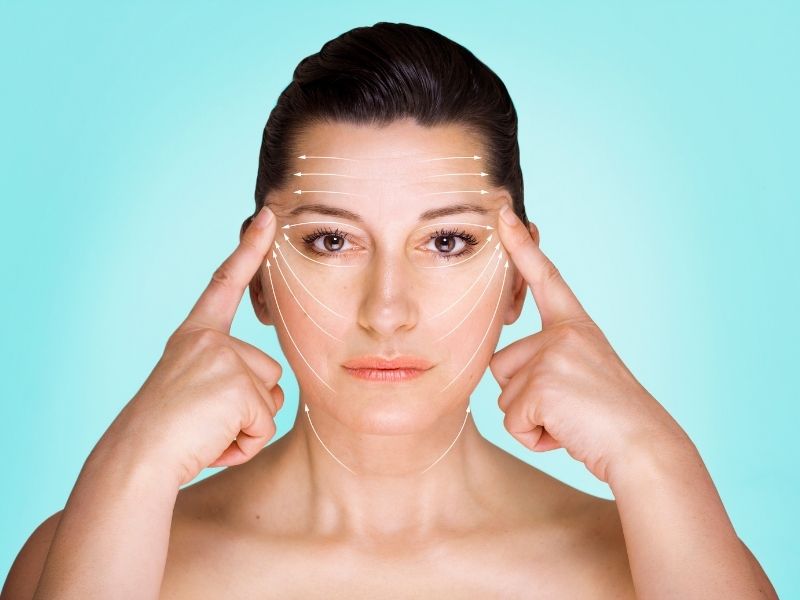
The actual surgical part of a temporal facelift takes about 2 to 5 hours. During this time, the surgeon typically makes incisions within the hairline, lifts and repositions underlying tissues, and removes excess skin. The exact duration may vary depending on the complexity of the case and the techniques used.
After surgery, the patient is taken to a recovery room where they will be monitored as the anesthesia wears off. This immediate post-operative period usually lasts about 1 to 2 hours.
In total, the entire process—from the patient’s arrival for surgery until they are ready to leave the recovery area—may take about 4 to 6 hours.
The recovery process after temporal facelift surgery involves several stages and can vary from patient to patient. Below is a detailed outline of a typical recovery timeline and what you can expect:
Monitoring: After surgery, you will be taken to a recovery room where healthcare staff will monitor you as the anesthesia wears off.
Pain and Discomfort: Mild to moderate pain and discomfort are common and can be treated with prescribed pain medication.
Swelling and Bruising: It is normal to experience swelling and bruising around the surgical area, sometimes extending to the eyes and cheeks.
Head Dressing: A bandage or dressing may be applied around the head to minimize swelling and support tissues.

Rest and Care: It is important to rest and avoid strenuous activities. Keeping your head elevated while sleeping can help reduce swelling.
Follow-Up Appointment: You will likely have a follow-up appointment with your surgeon to check healing progress and remove stitches if non-dissolving sutures were used.
Ice Packs: Applying ice packs as recommended by your surgeon can help reduce swelling and discomfort.
Hygiene: Follow your surgeon’s instructions on how to care for the incision sites, including cleaning and applying prescribed ointments.
Continued Healing: Swelling and bruising should gradually decrease. Most patients can return to work after about 2 weeks and resume light activities.
Physical Activity: Avoid heavy lifting, strenuous exercise, and activities that may increase blood pressure for at least 3–4 weeks.
Scar Management: Your surgeon may recommend treatments or creams to help minimize scarring.
Final Results: By the end of the first month, most swelling will subside and you will begin to see more definitive results of surgery.
Follow-Up Care: Continue attending follow-up appointments as scheduled to ensure proper healing and address any concerns.
Sensation: Some numbness or changes in sensation around the incision sites are common and usually improve over time.
Full Recovery: Full recovery and final results may take several months. Any remaining swelling, minor asymmetries, or slight changes in skin texture should resolve during this period.
Maintenance: Follow a healthy lifestyle that includes skincare and sun protection to maintain the results of the facelift procedure.
It is important to closely follow your surgeon’s post-operative instructions and communicate any concerns or unusual symptoms during your recovery process.
Consultation: Have a comprehensive consultation with your surgeon to discuss your medical history, current medications, and allergies.
Physical Examination: Undergo a physical examination and complete pre-operative tests as recommended by your surgeon.
Avoid Certain Medications: Stop taking blood-thinning medications such as aspirin, ibuprofen, and other nonsteroidal anti-inflammatory drugs (NSAIDs) at least two weeks before surgery, as they can increase the risk of bleeding.
Inform Your Surgeon: Tell your surgeon about all medications and supplements you are taking. They may advise you to stop certain medications or supplements before surgery.
Prescriptions: Obtain and fill prescriptions for post-operative medications before your surgery date.
Quit Smoking: Stop smoking at least 4–6 weeks before surgery, as smoking can impair blood flow and delay healing.
Avoid Alcohol: Avoid alcohol consumption at least 48 hours before surgery.
Fasting Instructions: Follow your surgeon’s fasting instructions before surgery. Typically, you should not eat or drink anything after midnight the night before surgery.
Shower: Take a thorough shower the night before or the morning of surgery using an antibacterial soap, and avoid applying lotion, cream, or makeup.
Clothing: Wear loose, comfortable clothes on the day of surgery. Choose a top that buttons or zips in the front to avoid pulling clothing over your head.
Prices for a temporal facelift vary depending on several factors. The size of the area to be treated—for example, the difference between tightening only the temple area and tightening broader facial areas—affects the cost. In addition, skin structure, age, and aesthetic goals can also affect pricing; each individual’s needs are different. The type and quality of techniques and materials used play an important role in determining cost. For example, the quality of suture materials and technology used may cause price differences. The surgical process and recovery process can also affect the price; more complex cases and additional procedures can increase the cost. The experience of the center and the surgeon may influence the overall price. In centers approved by the Ministry of Health of the Republic of Türkiye and compliant with regulations, price information is generally not shared on websites. To get more information about temporal facelift, you can contact us through our contact details.

Facelift surgery (rhytidectomy) is an aesthetic surgical procedure that provides a younger, firmer, and natural appearance by eliminating sa...

Septorhinoplasty is a surgical procedure that corrects both nasal aesthetics and breathing problems at the same time; it improves both app...

Deep plane facelift is an aesthetic surgical procedure that aims to correct sagging in the face and neck by repositioning the deeper tissues...