Facelift Surgery
Facelift surgery (rhytidectomy) is an aesthetic surgical procedure that provides a younger, firmer, and natural appearance by eliminating sa...

Recessed lower jaw treatment is a process that should be carefully evaluated in terms of facial balance, jaw closure and respiratory functions. Recessed lower jaw may affect not only aesthetic appearance but also chewing pattern, speech and sleep quality. A properly planned jaw recession treatment aims to create a more balanced facial profile both functionally and aesthetically. In Ankara, profile aesthetics plays an important role in planning carried out together with facial aesthetics and upper airway evaluation.
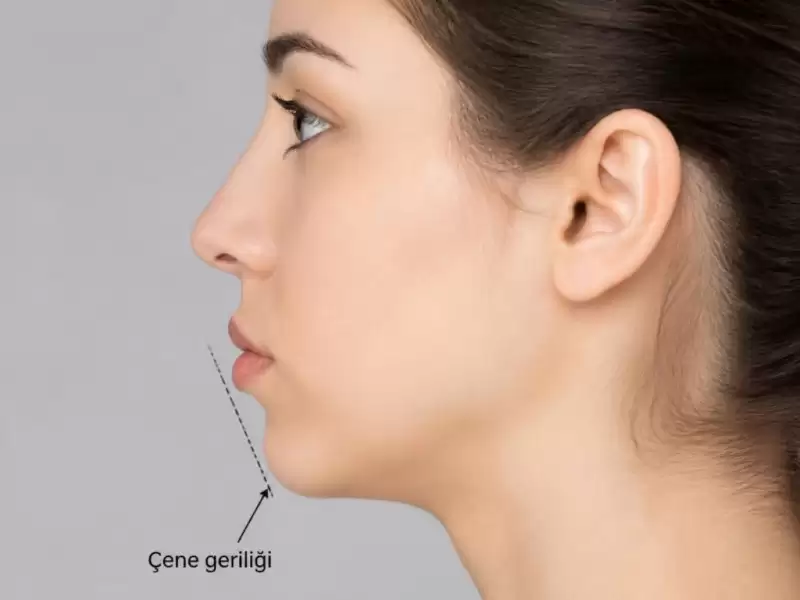
A recessed lower jaw is the positioning of the lower jaw behind the upper jaw and the general proportions of the face. This condition may cause the chin tip to appear less prominent, the facial profile to look pulled backward and the jawline to lose its definition. Jaw recession may be mildly noticeable in some people, while in others it may lead to both aesthetic and functional complaints.
This condition may occur due to genetic structure, growth and development differences, jaw development problems during childhood, dental bite problems or incompatibility between the upper and lower jaw. In some people, the lower jawbone does not develop sufficiently forward, while in others the position of the upper jaw makes the lower jaw appear further back.
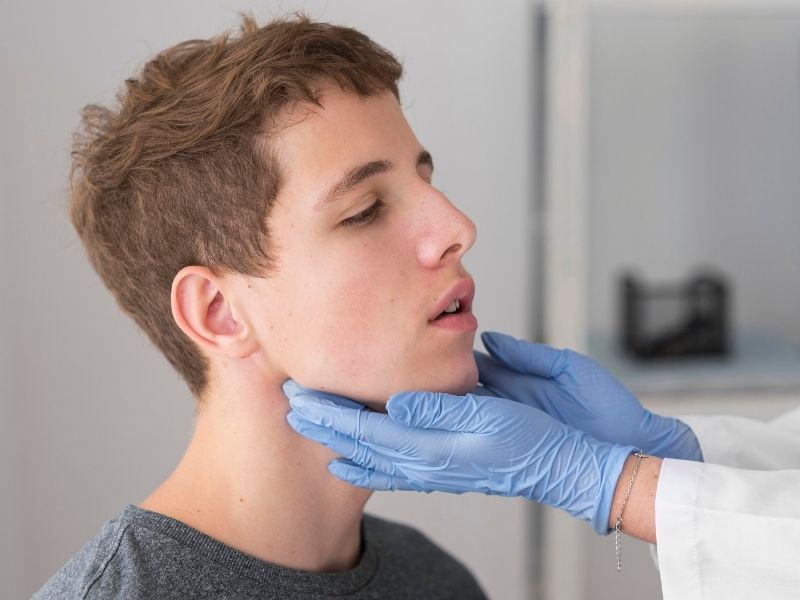
The lower jaw structure should be evaluated together with the nose, lips, chin tip and neck line to determine its balance within the facial profile. Therefore, facial profile aesthetics should not be planned only by looking at the chin tip, but by considering the proportions of the entire face.
The diagnosis of a recessed lower jaw is made by evaluating the facial profile, examining dental closure and analyzing the position of the jawbones. During the examination, how far back the lower jaw is positioned, the relationship of the chin tip with the face, lip closure and jaw movements are evaluated together. The condition searched with the phrase how to understand recessed lower jaw is usually noticed through a recessed profile appearance, weak jawline and bite incompatibility.
The relationship between the teeth during closure is important in the diagnosis process. Jaw bite disorder means that the lower and upper teeth do not contact each other ideally and may be seen together with a recessed lower jaw. This condition may cause difficulty during chewing, pressure on the jaw joint and irregular wear on the teeth.
In some patients, X-rays, cephalometric analysis, three-dimensional imaging and orthodontic evaluation may be required. If dental bite disorder is evident, the treatment plan should be prepared not only from an aesthetic perspective but also in terms of jaw function and dental relationship.
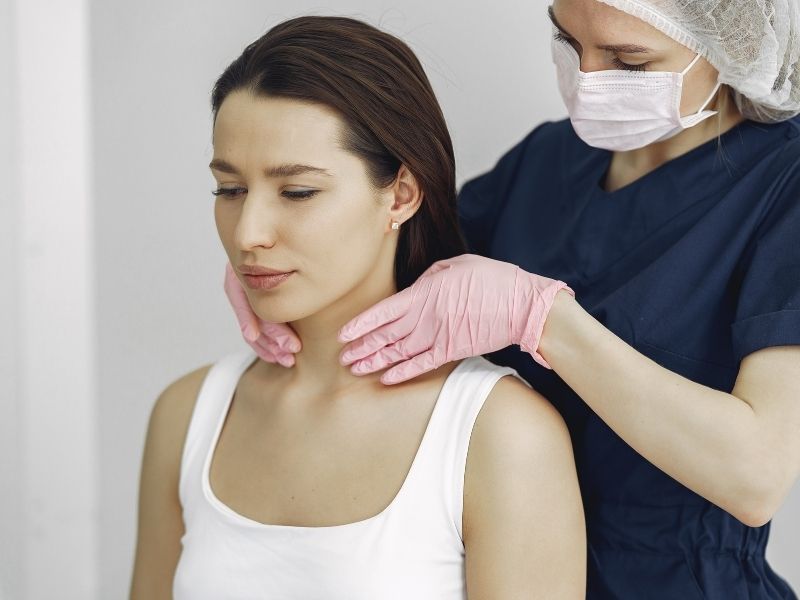
A recessed lower jaw may create imbalance in the facial profile. When the chin tip is positioned back, the nose may appear more prominent, the transition between the neck and jaw may soften, and proportional disharmony may occur in the lower part of the face. Therefore, recessed lower jaw symptoms may include a backward chin appearance, weak jawline, incomplete lip closure and imbalance in the facial profile.
From a functional perspective, chewing difficulty, difficulty producing certain sounds during speech, sensitivity in the jaw joint and bite incompatibility may occur. The lower jaw being positioned back may also affect the working pattern of the jaw muscles.
Although this condition may be perceived by some people as only an aesthetic concern, advanced jaw recession may cause functional problems that affect quality of life. Therefore, the answer to the question how is a recessed lower jaw corrected is determined according to the person’s jaw structure, age, dental bite and respiratory condition.
A recessed lower jaw may affect the position of the tongue base and soft tissues over the upper airway. When the lower jaw is positioned back, the tongue may settle backward, especially during sleep, causing the airway to narrow. This may lead to uncomfortable nighttime breathing and reduced sleep quality.
In ear, nose and throat and facial aesthetics evaluation, the jaw structure is not examined only in terms of external appearance. Nasal breathing, nasopharyngeal structure, soft palate, tongue base and upper airway openness are also taken into account. Therefore, when snoring and jaw recession are evaluated together, a more accurate treatment plan can be made.
People with a recessed lower jaw may experience complaints such as sleeping with the mouth open, waking up tired in the morning, fatigue during the day and frequent waking at night. If these symptoms are present, not only jaw aesthetics but also respiratory function should be evaluated in detail.
The lower jaw being positioned back may contribute to narrowing of the upper airway during sleep in some people. This condition does not always mean sleep apnea on its own, but it may be one of the risk factors. The relationship between sleep apnea and jaw recession becomes especially important in people who have nighttime breathing pauses, snoring, morning headaches and daytime sleepiness.
In patients with suspected sleep apnea, looking only at facial appearance is not sufficient. When necessary, a sleep test, upper airway examination and evaluation of the jaw-facial structure may be performed. In this way, it can be understood more clearly whether the problem originates from the nose, throat, tongue base, soft palate or jaw.
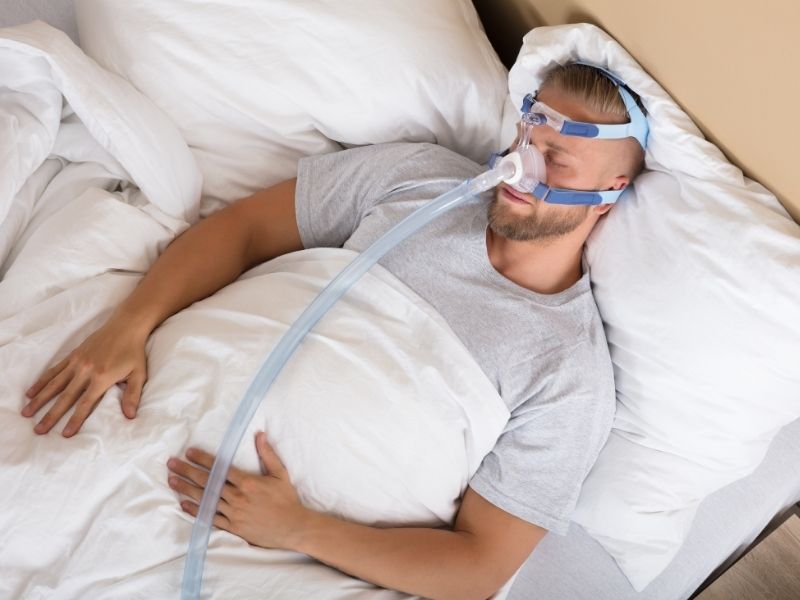
The treatment plan may vary depending on the person’s apnea level, the degree of jaw recession and the location of airway narrowing. While non-surgical methods may be sufficient in some patients, more comprehensive procedures aimed at correcting the jaw position may come to the agenda in others.
A recessed lower jaw may cause snoring when it contributes to narrowing of the upper airway. When the jaw is positioned back, the tongue base may settle further backward during sleep and airflow may become difficult. This may create vibration in the airflow and cause snoring.
Snoring does not always originate from the lower jaw. Nasal congestion, adenoid tissue, enlarged tonsils, excess weight, soft palate structure and sleep position may also cause snoring. Therefore, jaw structure, nasal breathing and the throat area should be evaluated together.
In jaw recession Ankara searches, a significant portion of patients seek evaluation not only because of aesthetic appearance but also due to complaints related to snoring and sleep quality. At this point, a detailed examination is the basic step in determining the source of the problem.
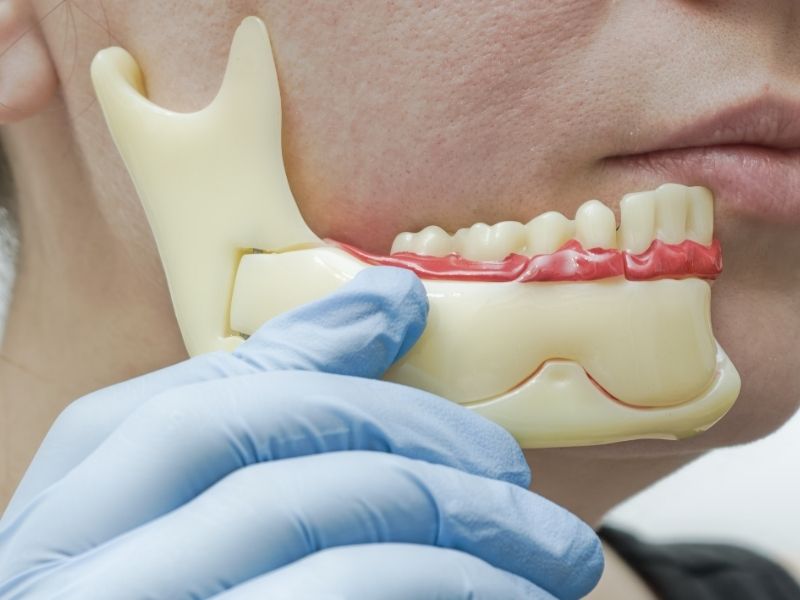
In recessed lower jaw treatment, the choice of method is made according to the person’s age, whether jaw development has been completed, dental bite, aesthetic expectation and respiratory findings. In mild cases, fillers, chin implants or profile balancing procedures may be preferred. In more pronounced skeletal recession, surgical methods come to the agenda.
In patients of growth age, orthodontic and orthopedic treatments may support jaw development in a more correct direction. In adults, treatment planning is different because bone development has been completed. When recessed lower jaw Ankara is evaluated, both facial proportions and bite relationship should be analyzed together.
In Ankara recessed lower jaw treatment planning, the aim is not only to move the chin tip forward. The jawline, lip support, nose-chin relationship, neck transition, dental bite and upper airway should be considered together. This approach supports achieving a more natural and balanced result.
Recessed lower jaw surgery may be suitable for patients whose lower jaw is significantly positioned back skeletally, whose dental bite is affected or whose facial profile has serious imbalance. Before a surgical decision is made, the jaw structure, tooth alignment, bite relationship and respiratory condition should be evaluated in detail.
Jaw recession surgery is usually planned within the scope of orthognathic surgery. In this procedure, the lower jawbone is brought into the appropriate position to improve facial proportions and jaw closure. In some patients, orthodontic treatment may be included in the treatment process before or after surgery.
Lower jaw surgery is not performed in the same way for everyone. While more limited aesthetic procedures may be sufficient in mild recession, comprehensive surgical planning may be required in advanced skeletal incompatibility. Therefore, surgical suitability should be evaluated individually.
The recovery process after surgery varies according to the scope of the procedure performed. Swelling, sensitivity, limited jaw movements and changes in nutrition may be seen in the first days. Following the nutrition, oral care and check-up plan recommended by the physician supports the recovery process.
In the first weeks, soft foods may be recommended. It takes time for the jawbones to adapt to their new position, and regular check-ups are important during this process. In patients progressing together with orthodontic treatment, it may take longer for the dental bite to reach its final state.
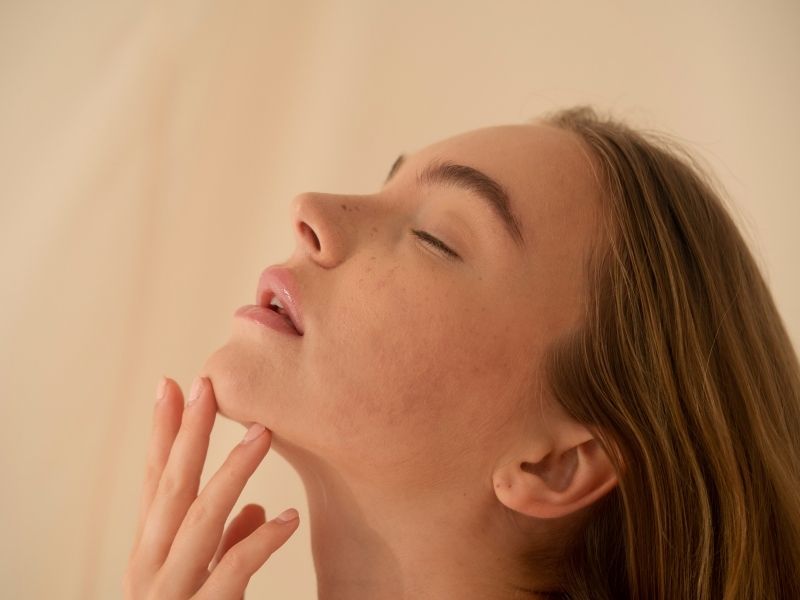
From an aesthetic perspective, the change in facial profile becomes more clearly visible as swelling decreases. Functionally, improvement in chewing, bite and, in some patients, breathing comfort is targeted.
In patients who apply for recessed lower jaw treatment in Ankara, the first stage is the evaluation of facial proportions and jaw closure together. If the person’s complaint is limited only to the appearance of the jaw, an aesthetically focused plan may be made. However, if there are complaints of breathing, snoring or sleep apnea, the upper airway should also be examined in detail.
In Prof. Dr. Tevfik Sözen recessed lower jaw evaluations, ear, nose and throat, facial aesthetics and profile analysis may be considered together. This approach helps evaluate the harmony of the jaw structure with other parts of the face.
When making a treatment plan, the person’s expectation, facial structure, position of the jawbone, dental bite and respiratory function should be considered together. Thus, not only aesthetic appearance but also functional problems affecting daily life are taken into account.

Natural appearance in recessed lower jaw treatment is achieved through planning suitable for the existing anatomy of the face. If the jaw is moved too far forward, an artificial appearance may occur; if insufficient correction is made, profile imbalance may continue. Therefore, the goal is to reach a balance compatible with the face’s nose, lips, jaw and neck transition.
In profile planning, lip support, nose appearance and neck angle are as important as the chin tip. In some patients, a recessed lower jaw may make the nose structure appear larger than it actually is. Balancing the jaw position may help the facial profile be perceived as more harmonious.
The treatment process should progress individually. The same method, the same level of correction or the same recovery process should not be expected in every patient. Therefore, detailed evaluation is the basis of choosing the correct treatment.
Yes, lower jaw recession can cause the chin to appear set back in the facial profile and disrupt the nose-chin balance. For this reason, jaw structure has an important place in profile aesthetics evaluation.
Jaw recession may prevent the lower and upper teeth from closing properly, causing a bite disorder. This condition can lead to chewing difficulty, tooth wear, and tenderness in the jaw joint.
Mild lower jaw recession treatment may be supported with filler, chin tip procedures, or orthodontic methods in some individuals. In cases of significant skeletal recession, lower jaw recession surgery may be more appropriate.
The duration of jaw recession treatment varies depending on the method to be applied, dental occlusion, and the condition of the jaw structure. In patients who require orthodontic treatment, the process may take longer than surgical procedures.
The relationship between sleep apnea and jaw recession may occur in some patients due to narrowing of the upper airway. If nighttime snoring, pauses in breathing, and morning fatigue are present, a detailed evaluation is required.
Yes, snoring and jaw recession may be seen together in some individuals. A lower jaw positioned farther back may contribute to narrowing of the airway by the tongue base.
In lower jaw recession evaluations in Ankara, facial profile, breathing pattern, and jaw occlusion should be considered together. Prof. Dr. Tevfik Sözen can evaluate lower jaw recession from the perspective of ear, nose, throat, and facial aesthetics.

Facelift surgery (rhytidectomy) is an aesthetic surgical procedure that provides a younger, firmer, and natural appearance by eliminating sa...
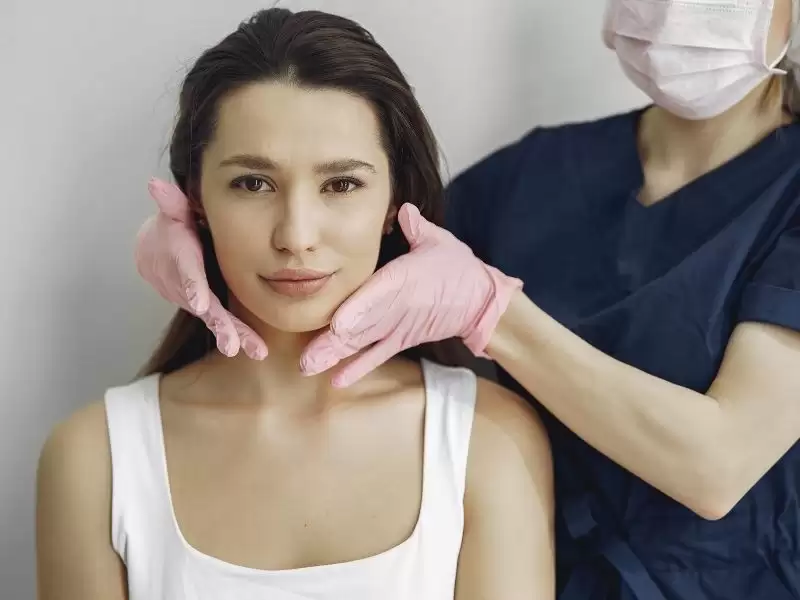
Deep plane facelift is an aesthetic surgical procedure that aims to correct sagging in the face and neck by repositioning the deeper tissues...