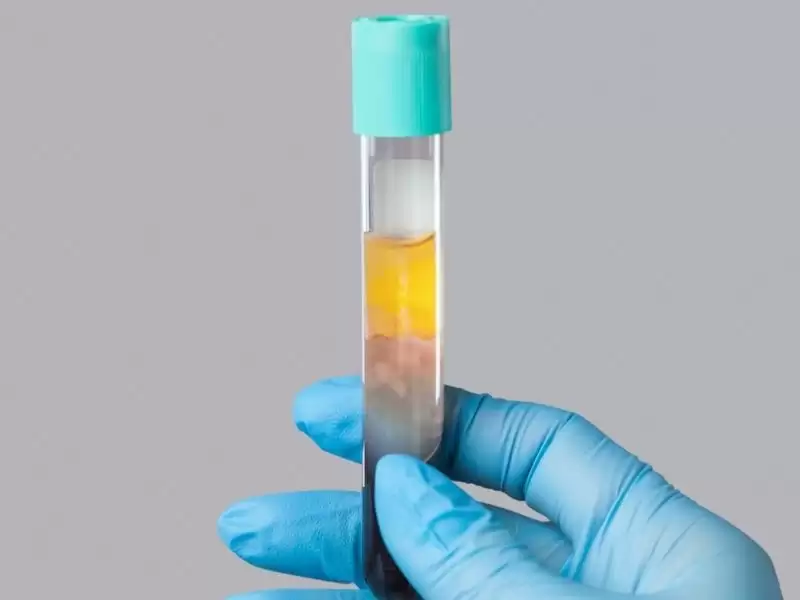
PRP (Platelet Rich Plasma) Enjeksiyonu
PRP treatment is a procedure that supports tissue renewal by applying plasma obtained from the person’s own blood to the skin and hair roots
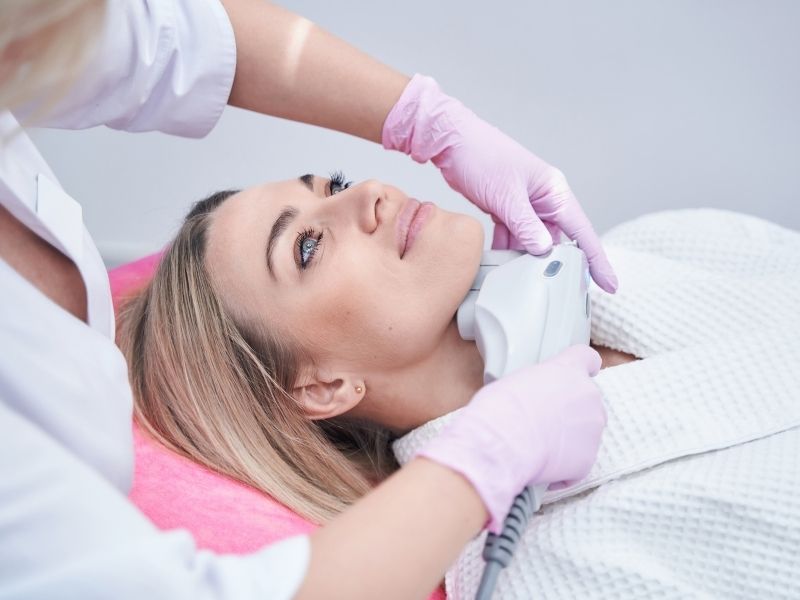
Non-surgical treatments are personalized procedures designed to support a more rested, balanced, and refreshed facial appearance without requiring surgical incisions. Among non-surgical aesthetic treatments, injections that regulate muscle movement and fillers that provide volume support are prominent options. In Ankara non-surgical aesthetics planning, the primary goal is not to change the face but to make measured interventions in the areas that need support while preserving the person's natural expression. This approach requires non-surgical facial rejuvenation to be evaluated by considering the face as a whole rather than focusing on a single procedure.
Non-surgical methods in facial aesthetics are intended to reduce expression lines, balance volume loss, improve facial proportions, and create greater harmony in certain contour irregularities. The most commonly used options are botulinum toxin and hyaluronic acid-based fillers. The type of treatment is determined according to the person's facial anatomy, skin structure, and expectations.
These procedures do not resolve every aesthetic concern. Surgical options may be more appropriate for people with significant tissue sagging, excess skin, deformities related to bone structure, or breathing problems. The appropriate method should be selected not only according to the desired appearance but also based on anatomical needs.
Planning begins with an evaluation of the face from the front and profile. The position of the eyebrows, how the forehead muscles function, movements around the eyes, cheek volume, lip proportions, chin projection, and lower facial width are evaluated together. This helps preserve the overall balance of the face rather than focusing on a single line.
A well-designed plan does not aim to make the face conform to a standard appearance. During facial contouring treatments, the dose, product, and injection points are determined individually. Since muscle strength, bone structure, and soft tissue distribution differ from person to person, the same treatment is not applied in the same amount to everyone.
Botox treatment temporarily reduces excessive movement in specific muscles, helping expression lines appear softer.
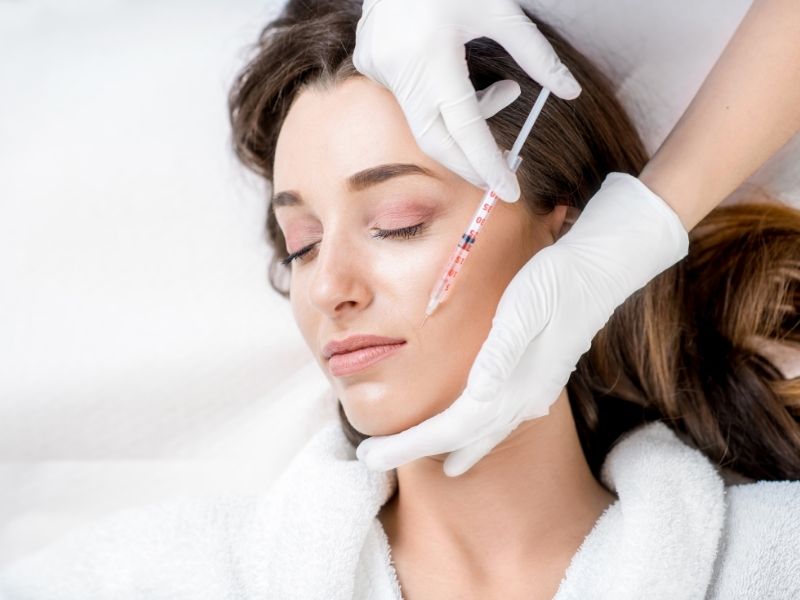
The medical term for the procedure is botulinum toxin treatment. The aim is not to make the face expressionless but to reduce the muscle movements that create lines in a controlled manner.
In Ankara Botox treatments, the procedure is generally brief, and most people can return to their daily activities on the same day. Temporary redness, tenderness, or minor bruising may occur at the injection points. It is important that the product used is reliable and that the procedure is performed by a physician experienced in facial anatomy.
Facial Botox is most commonly planned for dynamic lines on the forehead, between the eyebrows, and around the eyes. It may also be used to create a more open appearance at the outer eyebrows, reduce certain muscle movements around the nose, soften the orange-peel appearance of the chin, and balance the muscles of the lower face.
Not every area is treated with the same dose. Standardized treatments performed without evaluating muscle strength, facial expression habits, eyebrow height, and eyelid structure may lead to asymmetry or a feeling of heaviness. The most commonly treated areas are the forehead, the area between the eyebrows, and the outer corners of the eyes.
The effects of botulinum toxin usually begin to become noticeable within the first few days. The reduction in muscle movement gradually becomes more apparent, and the final appearance can usually be evaluated after approximately one week. The onset of the effect may vary depending on the product used, the dose, the treatment area, and the person's muscle structure.
It is normal for lines not to disappear immediately after the procedure. Deep lines that have become established in the skin may remain visible for some time even after muscle movement decreases. If necessary, methods that support skin quality may also be evaluated.
The effect of Botox is not permanent. In cosmetic treatments, the results generally last for three to four months; however, muscle strength, metabolism, dose, treatment area, and previous treatment history may affect this duration.
Having a regular treatment plan does not automatically mean that the procedure must be performed at the same intervals.
The timing of a new treatment should be determined according to the return of muscle movement and the person's needs. Treatments performed too frequently or at excessively high doses may disrupt the natural balance of facial expressions. The aim is not to eliminate movement completely but to reduce excessive muscle activity that contributes to the formation of lines.
Forehead Botox is applied to reduce the appearance of horizontal lines caused by facial expressions in the forehead area. Since the forehead muscle also lifts the eyebrows, dose distribution should be planned carefully. Excessive or incorrectly positioned treatment may cause eyebrow drooping or a feeling of heaviness in the forehead.
Frown line Botox targets vertical lines that become prominent when frowning. The muscles between the eyebrows and the forehead muscle should be evaluated together. In suitable patients, treatment performed while preserving muscle balance may create a more rested expression and may provide limited support for a non-surgical eyebrow lift effect.
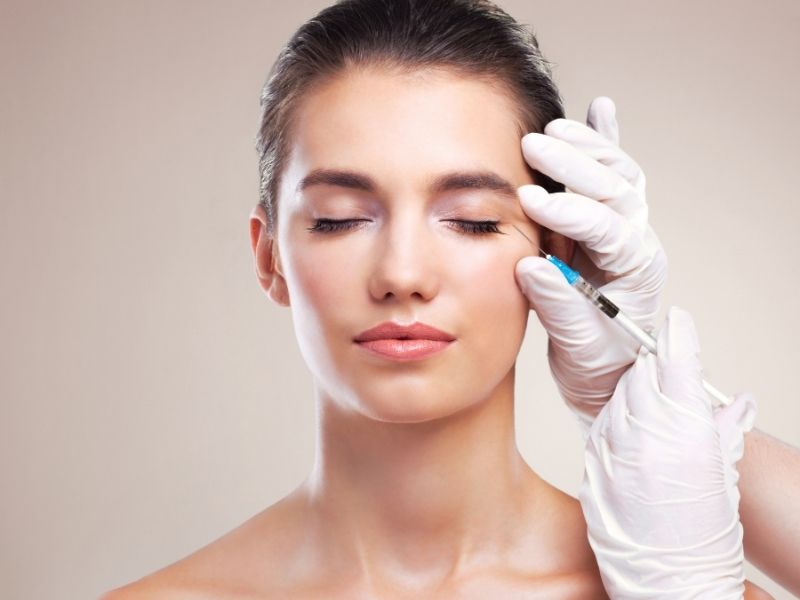
Botox around the eyes is applied to reduce dynamic lines that form at the outer corners of the eyes when smiling. Since the skin in this area is thin, the dose and injection depth are selected carefully. The aim is not to eliminate the smile but to make the lines around the eyes appear softer.
Lower eyelid support, eyebrow position, dryness around the eyes, and previous surgical procedures are important considerations in treatment planning. In people who are prone to swelling around the eyes or have significant eyelid laxity, the limits of the treatment may need to be determined more carefully.
Crow's feet Botox is applied to lines that become more prominent at the outer corners of the eyes when smiling. Injection points are determined according to the distribution of the lines and the strength of the muscles around the eyes.
Since muscle movement may not be identical on both sides, doses can be adjusted according to symmetry. After the procedure, the aim is to reduce lines at the outer corners of the eyes while preserving a natural smile. Deep lines that are visible even when the skin is at rest may not disappear completely; methods that support skin quality or suitable filler options may also be considered for these lines.
Masseter Botox may be applied to reduce lower facial width and create a softer facial contour in people with prominent chewing muscles. This method does not change the bone structure; it may only provide a slimming effect as the muscle volume gradually decreases over time.
In people with teeth clenching or jaw muscle tension, aesthetic expectations and functional complaints should be evaluated together. Since inappropriate doses may temporarily affect chewing strength or smile balance, the boundaries of the muscle should be identified carefully.
For those researching lip filler Ankara, the most important consideration is not only the product to be used but also the proportion of the lips in relation to the face. Hyaluronic acid lip filler may be used to support lip volume, define the contour, reduce asymmetry, or restore support lost with age.
In natural lip filler planning, the balance between the upper and lower lips, philtrum length, tooth visibility, lip closure, and profile structure are taken into consideration. Temporary swelling and bruising may occur after the procedure. The result can be assessed more accurately after the initial swelling has subsided.
The aim of facial filler Ankara treatments is to provide balanced support for volume deficiency associated with age or structural characteristics. Fillers can be used not only to add volume to the face but also to improve light reflection, reduce hollowness, and create greater harmony in facial proportions.
The type and density of the filler and the tissue layer in which it is placed affect the outcome. Hyaluronic acid fillers are temporary; their longevity varies according to the mobility of the area, the product, and individual characteristics. Although the result may be visible immediately, the appearance becomes clearer as swelling subsides.
Cheek filler may be planned to increase midface support and reduce the tired appearance associated with volume loss.
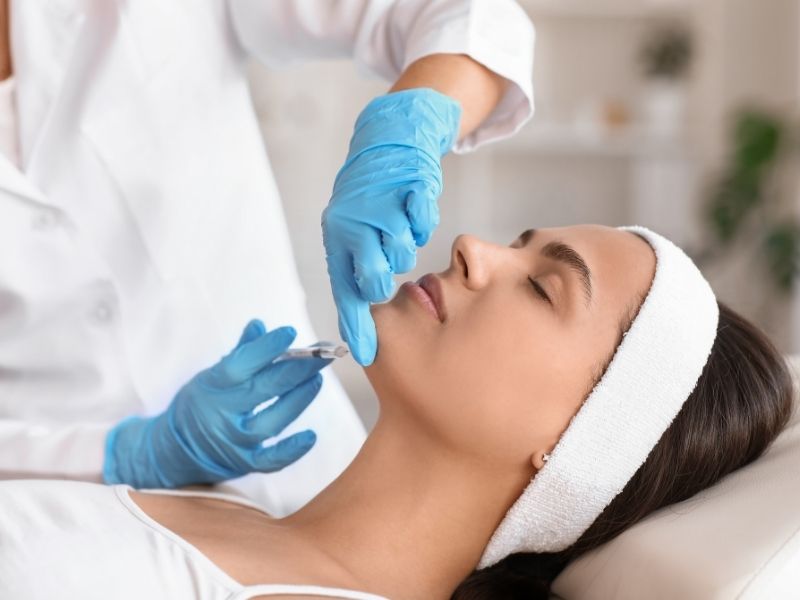
Chin filler is applied to improve profile balance and support projection when the chin is positioned further back. In both areas, bone and soft tissue structures are evaluated together.
Jawline filler can make the borders of the lower face appear more defined. Nasolabial filler aims to reduce the appearance of the fold extending from the side of the nose to the corner of the mouth. Since the cause of this fold may not be limited to the line itself, directly applying filler without evaluating midface support may not always be appropriate.
Non-surgical rhinoplasty involves the use of filler in selected individuals to camouflage minor irregularities on the nasal bridge, improve the profile transition, or provide limited support to the nasal tip. In nose filler Ankara treatments, the aim is not to make the nose smaller but to create a more balanced appearance by adding volume to specific points.
Nose filler does not correct breathing problems, reduce the size of bone or cartilage structures, and is not suitable for every type of nose. The nose is a high-risk area due to its vascular anatomy; therefore, anatomical assessment and complication management are particularly important. Accidental injection of filler into a blood vessel is rare but may lead to serious tissue and vision-related complications.
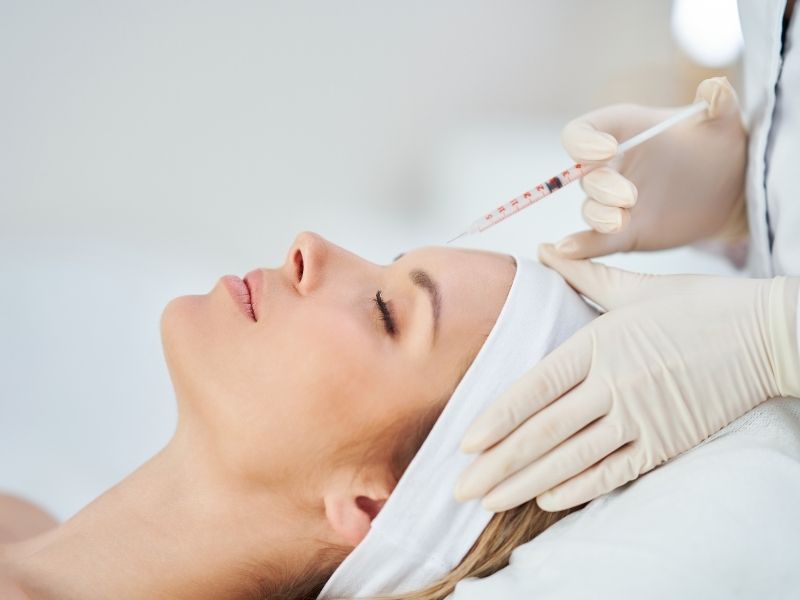
Botulinum toxin reduces lines caused by muscle movement, while fillers are used to restore volume deficiency and support facial contours. Therefore, botulinum toxin may be more suitable for dynamic areas such as the forehead and between the eyebrows, while fillers may be more appropriate for areas requiring volume, such as the cheeks, lips, or chin.
Botox and filler treatments may be planned as complementary procedures for the same person; however, it is not necessary to use both treatments together in every area. The appropriate choice depends on determining whether the line is caused by muscle movement, volume loss, skin structure, or bone anatomy.
Before the procedure, information about medications being used, allergy history, previous facial surgeries, previous fillers, and health conditions should be shared.
An active infection in the injection area, certain neuromuscular conditions, or known sensitivity to product components may affect the treatment plan.
Aesthetic injections are generally postponed during pregnancy and breastfeeding. Blood-thinning medications should not be discontinued without a physician's recommendation. The pre-treatment evaluation should address not only aesthetic goals but also potential risks, realistic outcomes, and whether a surgical option may be more appropriate.
After botulinum toxin treatment, it is important not to rub the treated area and to avoid intense pressure for the period specified by the physician. Temporary swelling, tenderness, and bruising may occur after filler treatment. Uncontrolled massage of the area should be avoided during the first few days, and the recommended aftercare instructions should be followed.
If progressively increasing severe pain, whitening of the skin, a net-like pattern of discoloration or bruising, or a sudden vision-related symptom develops after filler treatment, medical evaluation should be sought without delay. These findings may indicate impaired blood circulation, and early intervention is important.
A natural appearance is achieved not simply by using a small amount of product but by applying an appropriate dose to the correct area. The dynamic movements of the face, differences between the right and left sides, age-related changes, and the person's characteristic features should be preserved. Attempting to erase every line or define every area may create an artificial appearance.
Successful planning requires treatment to be carried out gradually and the results to be reassessed at appropriate intervals. Small and controlled adjustments may provide a more balanced appearance while preserving the overall facial expression. Surgical options should also be considered for people who expect permanent changes or have significant anatomical concerns.
PRP treatment is a procedure that supports tissue renewal by applying plasma obtained from the person’s own blood to the skin and hair roots
Botox is a safe injection treatment that reduces wrinkles and provides a young and smooth skin. It is applied for aesthetic and medical purp
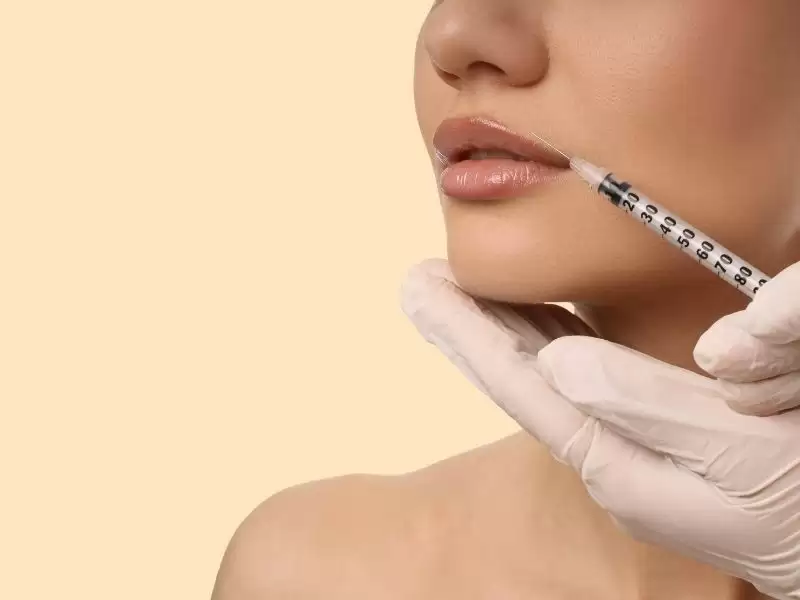
Lip filler in Ankara is a non-surgical aesthetic procedure planned to achieve a natural appearance, enhance lip volume, improve symmetry, an
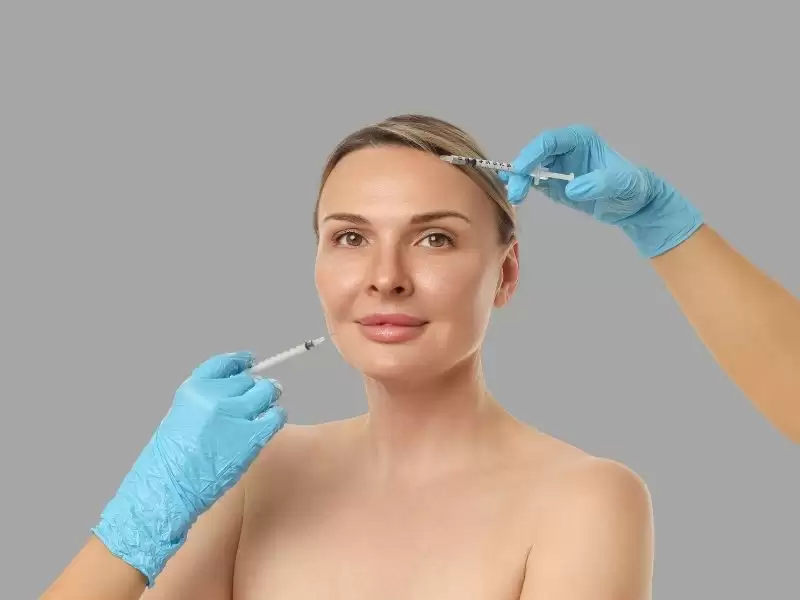
Facial fillers in Ankara are treatments designed to achieve a more balanced appearance by addressing volume loss, enhancing facial contours,

Exosome therapy is a natural and safe method that is effective in skin rejuvenation and hair loss treatment by supporting cellular renewal
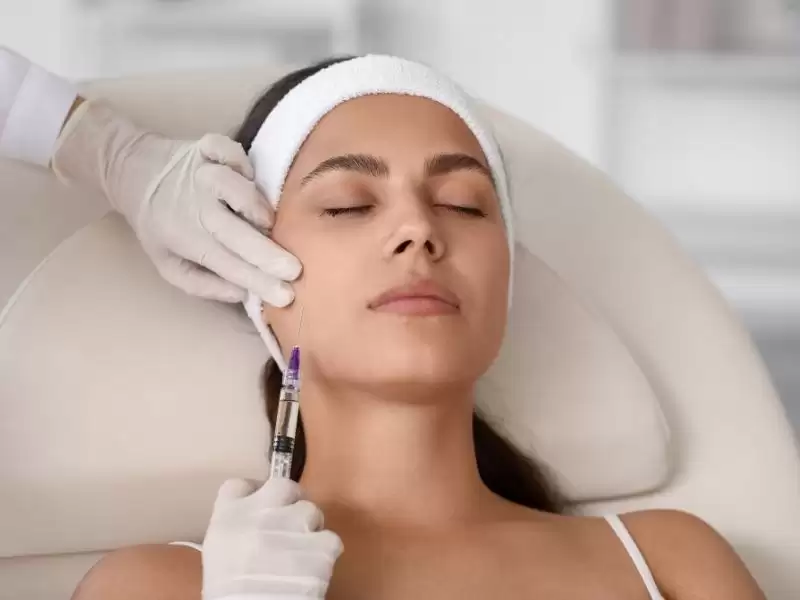
Jawline filler clarifies the jawline and balances the transition between the lower face and neck. Planning is done based on facial proportio
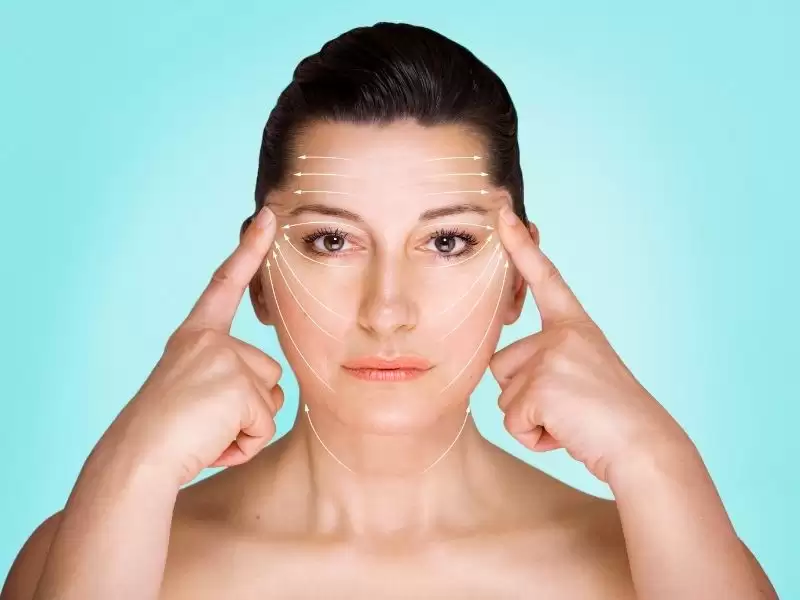
Liquid Facelift Ankara is a procedure that supports facial contours through a non-surgical facelift, facial fillers, and natural facial reju
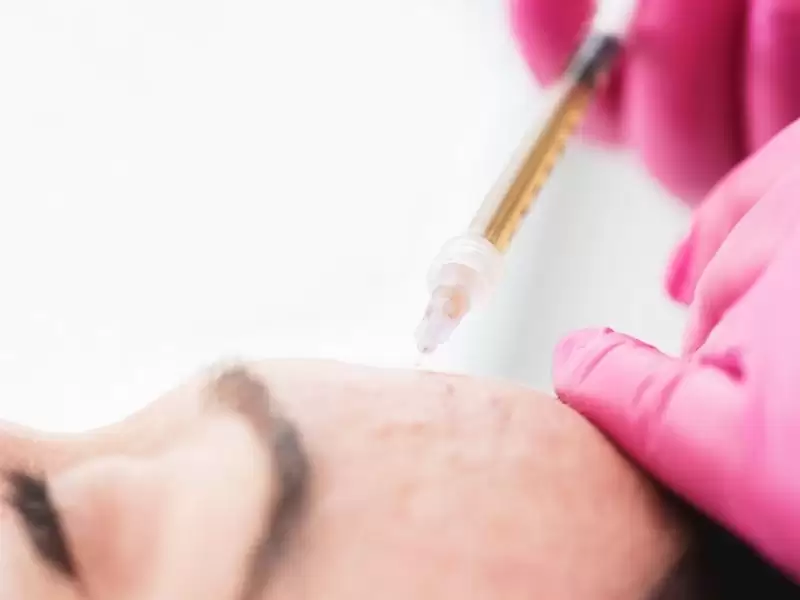
Peptide therapy supports collagen production and the skin’s renewal process, helping to achieve a more vibrant, balanced, and firmer appeara
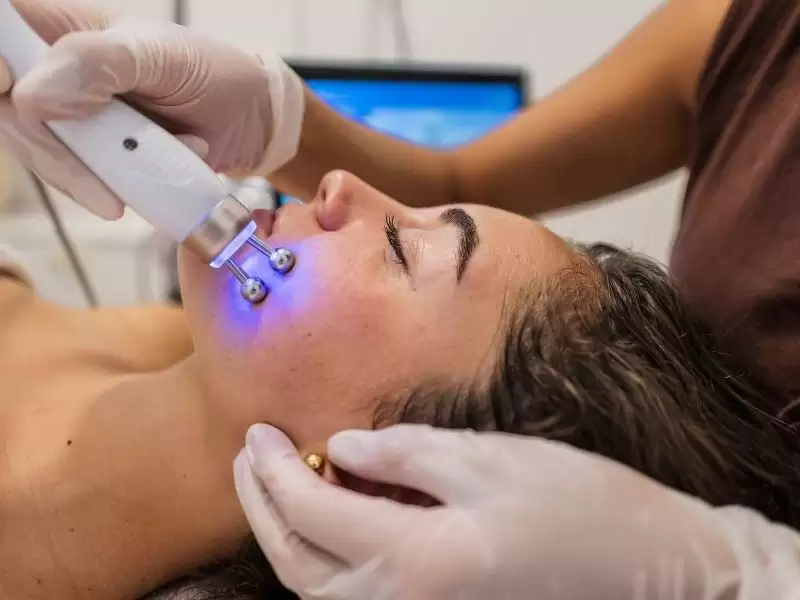
Skin rejuvenation in Ankara supports a more vibrant appearance through skin renewal, skin quality improvement, and non-surgical aesthetic pr