
Skin health after rhinoplasty is an important topic that requires as much attention as the surgical recovery process. Skin health after rhinoplasty surgery should be evaluated together with changes such as swelling, sensitivity, oiliness and the appearance of pores.
When skin care after rhinoplasty is planned correctly, the skin may adapt to the recovery process in a more balanced, clean and comfortable way. For people researching this process in Ankara, searches for rhinoplasty Ankara should include the postoperative care process as much as surgical planning.
- Why Is Skin Health Important After Rhinoplasty?
- Skin Oiliness After Rhinoplasty
- Blackheads and Pore Appearance After Rhinoplasty
- Acne and Skin Sensitivity After Rhinoplasty
- Skin Cleansing After Nose Surgery
- Care Recommendations After Rhinoplasty
- Things to Consider After Rhinoplasty
- Skin Health Approach During the Rhinoplasty Process in Ankara
- A Recovery Process That Supports Skin Health
- Frequently Asked Questions About Skin Health After Rhinoplasty
Why Is Skin Health Important After Rhinoplasty?
Recovery after rhinoplasty is not limited only to the settling of the nose shape. Skin tissue may also be affected by swelling, tape use, splint pressure, sensitivity and temporary circulation changes during this period. Therefore, skin care after rhinoplasty should be considered a supportive part of the postoperative period.
The nasal skin may remain sensitive for some time after surgery. Especially in people with thick, oily or porous skin, the recovery process may progress differently. Skin care after nose surgery should be performed by taking these differences into account, and harsh products or intensive procedures that may irritate the skin should be avoided.

The aim during this process is not to cleanse the skin aggressively, but to keep it balanced by protecting its barrier. Temporary skin changes are often a natural part of the recovery period. However, if prolonged redness, marked sensitivity, widespread acne or irritation occurs, the physician’s recommendation should be sought.
Skin Oiliness After Rhinoplasty
After surgery, increased oiliness may be seen around the nose. Skin oiliness after rhinoplasty may occur due to the skin not getting enough air because of splint and tape use, temporary changes in the cleansing routine, and swelling affecting the skin balance. This condition is usually not permanent.
Skin oiliness after rhinoplasty surgery may be felt more noticeably especially on the nasal bridge, nasal tip and the transition area toward the forehead. During this period, the person may want to wash the skin frequently, but excessive cleansing may disrupt the skin barrier and increase oiliness. Therefore, gentle cleansers and care products approved by the physician should be preferred.
During the oily skin period, intensive peeling, alcohol-based toners and drying products should not be used. Although drying the skin surface may provide short-term relief, it may increase oil production in the long term. A balanced care routine supports the skin more harmoniously during the healing process.
Blackheads and Pore Appearance After Rhinoplasty
After the splint is removed, blackheads and a more visible pore appearance may be noticed on the nose. Blackheads after rhinoplasty may be related to the skin remaining covered for a while, as well as the buildup of oil and dead skin cells. This condition may become more noticeable especially in people who had oily skin before surgery.
Blackheads after nose surgery should not be squeezed, pressed or cleaned harshly in the early period. Since the nasal tissue is still sensitive, such practices may cause redness, irritation and increased swelling. Skin cleansing should be done with gentle movements, and pressure should not be applied to the nose.

Pores after rhinoplasty may gradually reach a more balanced appearance over time. To reduce the appearance of pores, patient and controlled care should be preferred instead of intensive cosmetic procedures in the early period. When the appropriate time comes, a professional care plan may be created according to the skin type.
Acne and Skin Sensitivity After Rhinoplasty
Acne may occur on and around the nose after surgery. Acne after rhinoplasty may be associated with tape use, the skin remaining covered, stress, changes in sleep patterns and care products being too heavy for the skin. These pimples are usually temporary.
When acne after rhinoplasty surgery occurs, it is not appropriate to squeeze pimples, pick scabs or clean the area harshly. Since the nasal tissue is more sensitive during the healing period, even minor irritation may cause redness and sensitivity. Therefore, the care routine should be kept simple.
Skin sensitivity after nose surgery may vary from person to person. Some people may experience only mild dryness and tightness, while others may develop redness, flaking or sensitivity to touch. Product selection should be made more carefully in people with skin sensitivity after rhinoplasty, and fragranced or intense-content products should be avoided.
Skin Cleansing After Nose Surgery
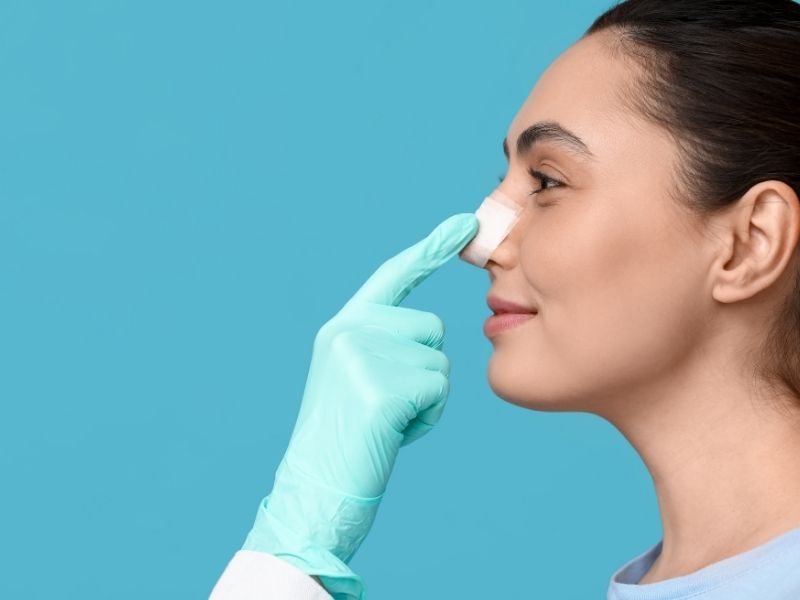
During the healing process, cleansing should be done without damaging the nasal structure. Skin cleansing after nose surgery should be planned according to the timing and methods specified by the physician. In the period when splints, tapes or stitches are present, water, cleanser or cosmetic products should not be applied to the area in an uncontrolled way.
After the splint is removed, skin cleansing can be done more comfortably, but it is still necessary to be gentle during this period. Pressure should not be applied to the nose during cleansing, and harsh sponges or peeling products should not be used. The skin should be cleansed with soft movements and supported with non-irritating products.
Nasal cleansing after rhinoplasty does not only refer to external skin care. Internal nasal care should also be performed with the solutions and methods recommended by the physician. Forcing the inside of the nose while cleaning, removing crusts or making harsh interventions in the nostrils may negatively affect the healing process.
Care Recommendations After Rhinoplasty
Care recommendations after rhinoplasty should be personalized because each patient’s skin type, surgical technique, swelling level and recovery speed are different. In the first weeks, a simple and controlled care routine that does not tire the skin should be preferred. Trying new products without the physician’s recommendation may not be appropriate during this period.
Sun protection is an important step for postoperative skin health. The nasal skin may be more sensitive to the sun during the healing period. Since sun exposure may cause redness, pigmentation and increased sensitivity, appropriate protection should be provided when going outside.
During the recovery process after rhinoplasty, proper timing is important for makeup, skin care and medical skin procedures. Uncontrolled applications performed in the early period may strain the sensitive tissue around the nose. Therefore, the return to skin care should progress gradually and under physician supervision.
Things to Consider After Rhinoplasty
Things to consider after rhinoplasty include not only protection from impact but also the protection of skin tissue. Squeezing the nasal area, cleaning blackheads, picking pimples or applying intensive massage may be harmful during the healing period. The skin needs time to recover.
Sleep patterns, nutrition, water consumption and hygiene may also affect skin health. A balanced diet and adequate fluid intake help support the skin barrier. Since excessive salt consumption may increase swelling, a more controlled nutrition routine may be preferred during the recovery period.

Skin changes may cause the person to misjudge the surgical result. Swelling, oiliness, pore appearance or acne do not show the final shape of the nose. Nasal tissue and the skin surface adapt together over time.
Skin Health Approach During the Rhinoplasty Process in Ankara
For people researching Ankara rhinoplasty, the postoperative care process is as important as surgical planning. A natural and balanced nasal appearance is related not only to the reshaping of bone and cartilage structures, but also to the adaptation of skin tissue to the healing process.
In searches for rhinoplasty Ankara, patients should pay attention not only to the surgical technique but also to the postoperative follow-up process. During the Ankara rhinoplasty process, skin thickness, oiliness tendency, pore structure and sensitivity status should be evaluated individually. In this way, care recommendations can be planned more accurately.
An ENT specialist in Ankara may evaluate breathing function, facial proportions and skin structure together while performing a rhinoplasty assessment. In the Prof. Dr. Tevfik Sözen rhinoplasty process, the harmony of the nose structure with the face, functional needs and care requirements during the recovery period should be evaluated holistically.
A Recovery Process That Supports Skin Health
After rhinoplasty, oiliness, blackheads, acne, visible pores and sensitivity may be seen on the skin. These changes are often associated with the temporary effects of the healing process. Proper care, a patient approach and compliance with physician recommendations help protect skin health.
During the period after nose surgery, practices that strain the skin should be avoided. Cleansing, moisturizing, sun protection and product selection should be done in a controlled way. A recovery process in which skin health is taken into consideration contributes to a more balanced perception of the rhinoplasty result.
Frequently Asked Questions About Skin Health After Rhinoplasty
When Does the Skin Return to Normal After Nose Aesthetics?
Skin health after nose aesthetics is generally balanced gradually as swelling decreases and the skin barrier recovers. This process may vary depending on skin structure, surgical technique and care routine.
When Should Skin Care Be Started After Rhinoplasty?
The time to start skin care after rhinoplasty should be planned according to the healing process and the physician’s evaluation. Uncontrolled products should not be applied to the nose area before the splint and tapes are removed.
Is Oily Skin After Nose Aesthetics Permanent?
Oily skin after nose aesthetics is a temporary condition in most people. Splint and tape use, as well as changes in the cleansing routine, may increase oiliness.
Can Blackheads Be Cleaned After Nose Surgery?
Squeezing or harsh cleansing should not be done in the early period for blackheads after nose surgery. Since the nasal tissue is sensitive, blackhead care should be planned with physician approval.
Why Does Acne Occur After Rhinoplasty?
Acne after rhinoplasty may occur due to tape use, the skin remaining covered, oiliness and care products feeling too heavy. Simple and gentle products should be preferred during this period.
Do Pores Become Enlarged After Nose Aesthetics?
After nose aesthetics, pores may temporarily appear more noticeable due to swelling, oiliness and the skin remaining covered. As the skin balance recovers, the appearance of pores may also decrease.
How Is Skin Care Planned After Rhinoplasty in Ankara?
During the Ankara rhinoplasty process, skin care should be evaluated individually according to nasal structure, skin thickness and healing speed. Prof. Dr. Tevfik Sözen’s postoperative care recommendations during the nose aesthetics process are shaped together with follow-up controls.
Legal Notice: The information on this page is for general information purposes and does not replace personal diagnosis and treatment. Always consult your physician regarding your health condition.