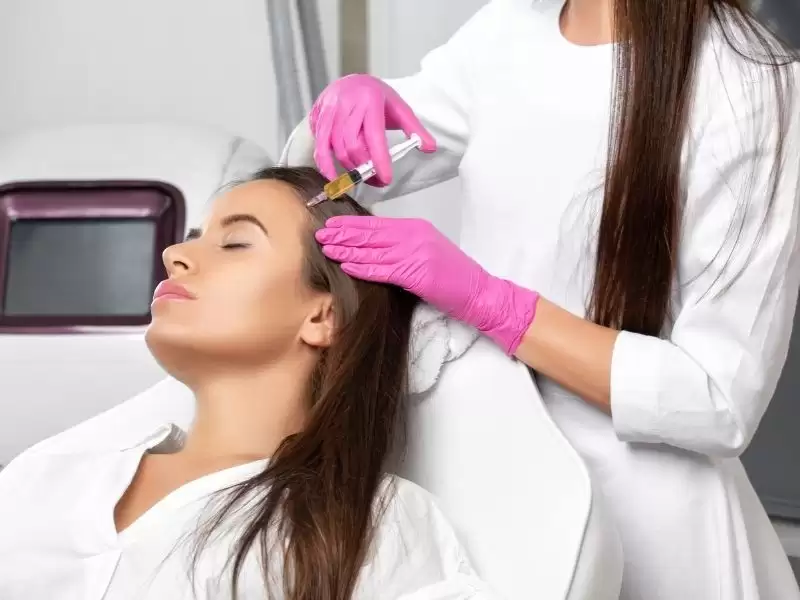
Introduction to Hair PRP Application
Hair PRP is a non-surgical supportive treatment individually planned for hair loss treatment, strengthening hair follicles, and the Ankara h...

PRP treatment is the application of plasma obtained from a person's own blood to support the skin and hair tissue. what is PRP is a topic researched especially by people seeking natural support in the fields of skin rejuvenation and hair loss. PRP application is performed with a personalized assessment in facial aesthetics and hair treatment planning. how PRP is performed should be explained together with the stages of preparation before the procedure, blood collection, separation, and application.
PRP stands for platelet-rich plasma. In this method, a small amount of blood is taken from the person, processed using a special procedure, and the plasma with a high concentration of platelets is separated and applied to the area where it is needed. This plasma contains growth factors that support the tissue regeneration process.
In aesthetic applications, PRP may be preferred to support skin quality, strengthen hair follicles, and contribute to a more vibrant appearance of the tissue. Since it is obtained from the person's own blood, it is considered an application with biological content.
In assessments performed in the fields of Ear, Nose and Throat and facial aesthetics, PRP may be planned together with facial proportions, skin structure, signs of aging, and hair density. Therefore, it is important to consider the application not only as a procedure but also as part of the overall aesthetic appearance.
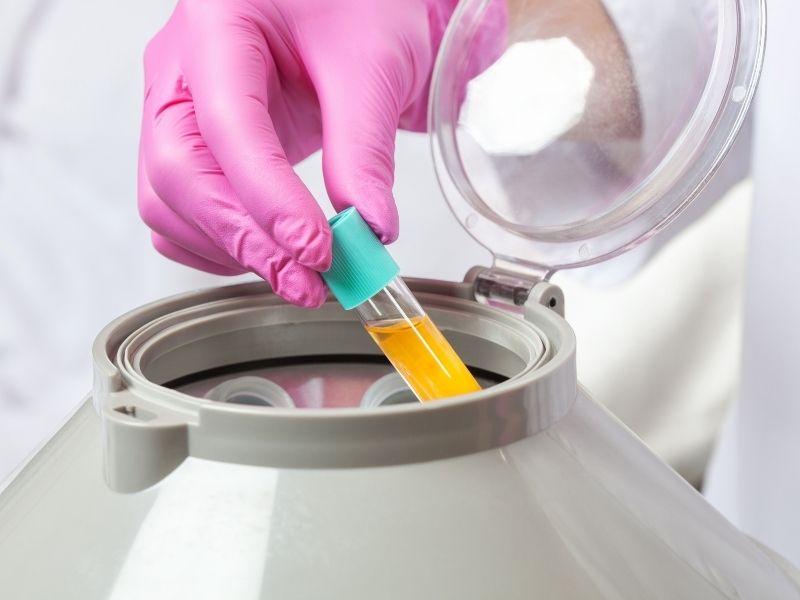
what is the PRP procedure can be explained as separating the healing-supporting components in a person's own blood and administering them back into the target tissue. The collected blood is separated in a special device called a centrifuge. At the end of this process, the plasma portion separated from the red blood cells is prepared for application.
The obtained plasma is applied through small injections to areas where it is needed, such as the skin or scalp. The application area is determined according to the person's needs. The face, neck, décolletage, scalp, and certain skin quality concerns may be evaluated in PRP planning.
The PRP procedure aims to support the skin's own regeneration capacity. Therefore, its effect is not like an immediate filler effect but rather as the tissue becoming revitalized and supported over time.
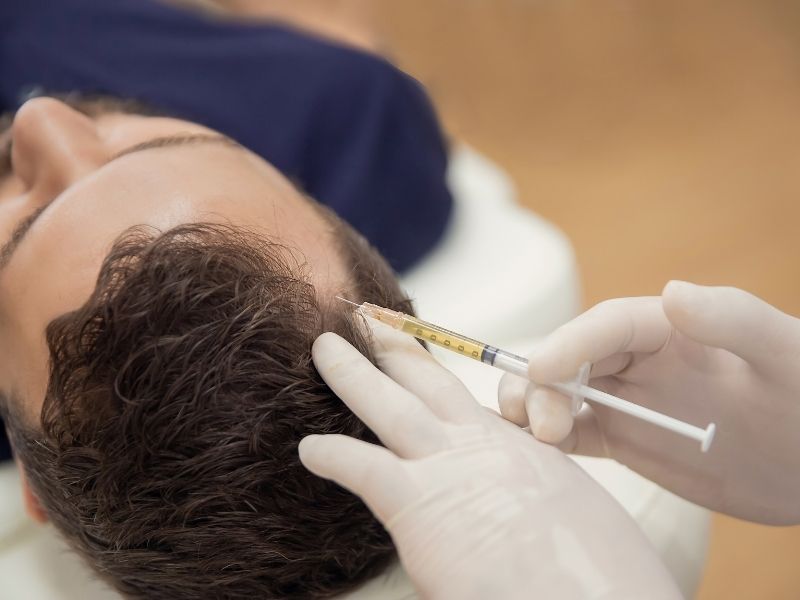
what does PRP do is one of the main topics describing the purposes for which the application is preferred. PRP may be used as a supportive method for concerns such as a dull appearance, loss of elasticity, fine lines, and reduced tissue quality in the skin. On the scalp, it may help support the hair follicles.
In skin applications, the aim is to contribute to a more vibrant, balanced, and healthy appearance. PRP may have a supportive effect on the skin's moisture balance, radiance, and textural quality. Since this process varies from person to person, the application plan should be personalized rather than standard.
In hair applications, the area where the hair follicles are located is targeted. The aim is to strengthen the hair strands, help bring the shedding process under control, and improve the overall health of the scalp.
Before PRP application, the person's general health condition, skin structure, scalp condition, and expectations are evaluated. The area to be treated is determined and an application plan is created. If the person uses blood-thinning medication or has an active infection, blood disorder, or a special health condition, a physician's assessment is essential before the procedure.
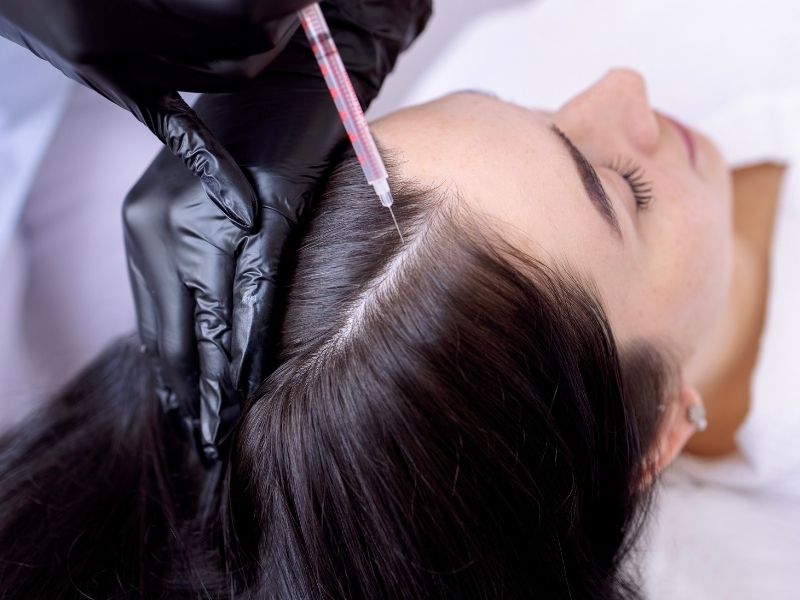
During the procedure, a certain amount of blood is taken from the person. The collected blood is placed in special tubes and separated in a centrifuge device. This process produces platelet-rich plasma. The prepared PRP is administered to the treatment area using fine needles.
The application usually takes a short time, although the duration may vary depending on the area being treated. PRP applied to the face and PRP applied to the scalp are based on the same principle, but the application technique and intended outcome may differ.
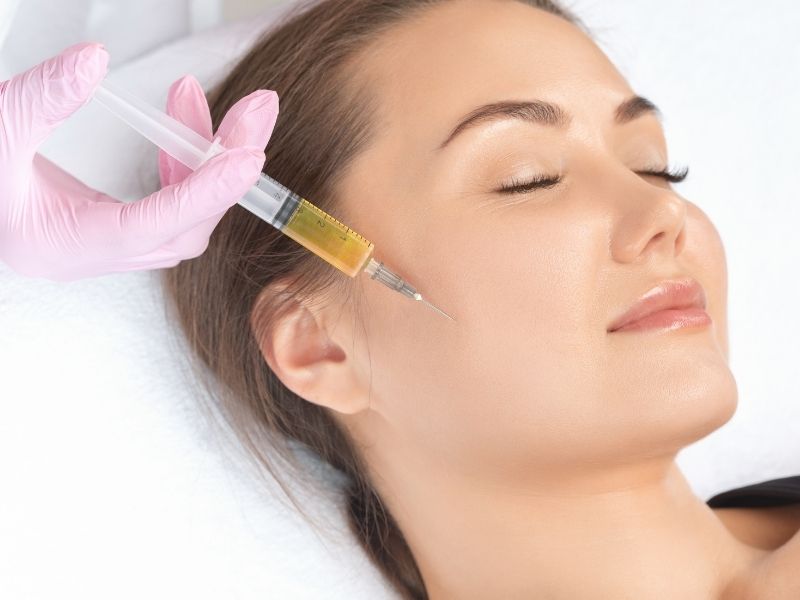
skin rejuvenation with PRP is one of the applications that aims to help reduce the appearance of dullness, loss of elasticity, and fine lines that develop in the skin over time. This method uses biological components that help activate the skin's own repair process.
PRP skin rejuvenation may be planned for areas such as the face, neck, and décolletage. The aim is for the skin to appear more vibrant, fresh, and balanced. Especially in facial aesthetic applications, PRP may be considered either on its own or together with different non-surgical procedures.
It is important for the results to look natural during this process. PRP is an application intended to support the textural quality of the skin without altering facial expressions. Therefore, it may be considered a suitable option for people who want to preserve their natural facial expression.
skin renewal with PRP is performed to support a brighter, smoother, and healthier appearance of the skin tissue. The skin may lose vitality due to environmental factors, aging, sun exposure, stress, and irregular care. PRP is a supportive method that may help the skin tissue during this process.
PRP skin renewal applications aim to support the skin's own regeneration capacity. Therefore, the effect after the application generally becomes more noticeable over time. Mild radiance and vitality may be noticed initially, while changes in tissue quality may be supported through more regular sessions.
When planning skin renewal, the person's age, skin thickness, tendency to develop pigmentation, elasticity, and skincare habits should be evaluated together. This allows a more balanced and personalized treatment process to be created.
PRP hair treatment is one of the methods applied to support the hair follicles and contribute to the overall quality of the scalp. In people experiencing hair loss, the condition of the follicles, the cause of the shedding, and the hair density are evaluated when planning the procedure.
Hair PRP treatment is applied to the scalp through small injections. The aim of this application is to support the area where the hair follicles are located and contribute to stronger-looking hair strands. It should not be considered a miraculous method on its own, but rather a supportive treatment option for suitable patients.
PRP application for hair loss may be planned for early-stage thinning and to support the hair follicles. Before the procedure, it should be evaluated whether the shedding is related to hormonal, genetic, seasonal, or other causes.
PRP after hair transplantation may be preferred to support the transplanted area and contribute to the adaptation of the hair follicles to their new location. During the recovery period after hair transplantation, maintaining a healthy scalp is important for preserving the achieved result.
PRP may help support scalp nourishment and tissue quality during this process. However, the timing of the application should be determined according to the hair transplantation technique and the person's recovery status. Therefore, a PRP plan after hair transplantation should always be made following a specialist assessment.
For people experiencing hair loss in Ankara, hair loss treatment Ankara searches may highlight PRP as one of the supportive options. The important point is to correctly identify the cause of hair loss and create a treatment approach suited to the person's needs.
who can receive PRP is one of the most important areas of assessment before the procedure. People who want to improve skin quality, experience hair loss, or are concerned about dullness and fine lines may be evaluated for PRP. However, the same procedure plan may not be suitable for everyone.
People with blood disorders, active infections, regular use of certain medications, or special conditions such as pregnancy require careful assessment before the procedure. Therefore, the person's medical history must be reviewed before PRP application. In PRP planning for aesthetic purposes, not only the skin or hair concern but also the person's expectations are important. Applications planned with realistic goals provide a more appropriate process.
how many PRP sessions are performed varies according to the person's needs and the application area. For skin rejuvenation procedures, a plan of several sessions at specific intervals may generally be created. In hair applications, the intensity of hair loss and the condition of the hair follicles affect the session plan.
A single PRP session may provide a sense of vitality in the skin for some people, but regular applications may be required for lasting support. Session intervals are determined according to the person's age, skin structure, level of hair loss, and intended result. PRP treatment should be planned individually. Rather than specifying a standard number of sessions, it is more appropriate to create the process according to the skin or hair needs identified during the pre-procedure assessment.
things to consider after PRP are important for ensuring that the application progresses effectively and comfortably. Mild redness, sensitivity, or a feeling of tightness may occur in the treated area after the procedure. These effects usually decrease within a short time.
In the first hours after the procedure, the treated area should not be touched, it should be kept clean, and the care instructions recommended by the physician should be followed. After skin applications, it is important to avoid intense sun exposure and procedures that may irritate the skin.
After PRP is applied to the scalp, the timing of hair washing, the products used, and daily care recommendations should be specified individually. During this process, attending follow-up appointments and adhering to the session plan contribute to the orderly progression of treatment.
PRP treatment Ankara searches require a proper assessment, which is one of the main factors affecting the success of the procedure. PRP should not be viewed as a simple injection; it should be planned by evaluating the skin, hair, facial proportions, and the person's overall needs together.
Ankara PRP treatment with a facial aesthetics-focused approach aims to support skin quality while preserving the person's natural appearance. PRP may be included among non-surgical supportive methods, particularly in the fields of facial rejuvenation, skin renewal, and hair loss.
non-surgical aesthetics Ankara searches may include PRP as one of the applications that helps support skin tissue without requiring surgery. However, as with every non-surgical procedure, proper patient selection, the correct application area, and regular follow-up are important.
PRP is one of the biological support methods that contributes to a healthier appearance of the skin. improving skin elasticity applications evaluate skin firmness, moisture balance, and tissue quality together. PRP may be planned alone or in combination with different applications for areas with loss of elasticity.
fine wrinkle treatment may include PRP to supportively reduce the appearance of superficial lines. The aim here is not to eliminate the lines completely, but to contribute to a more vibrant and balanced appearance of the skin.
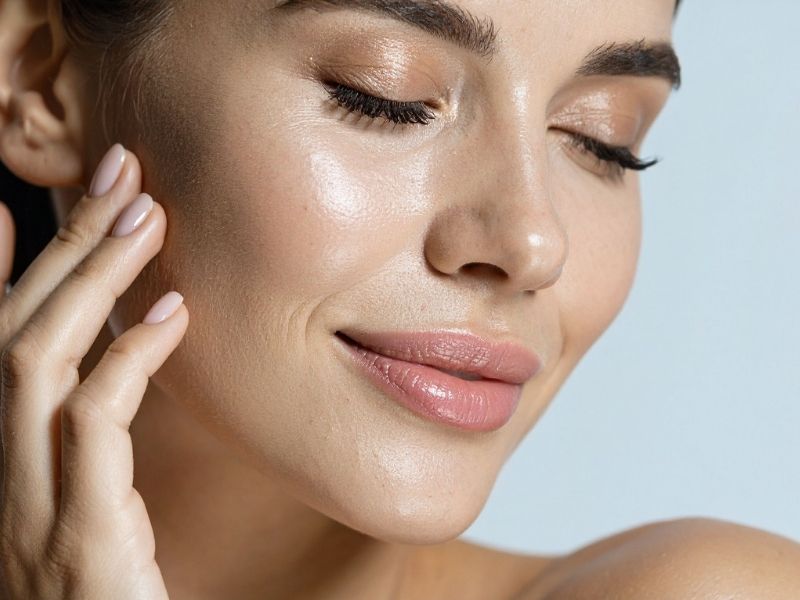
collagen-supported skin renewal approach may include PRP as one of the applications that supports the skin tissue's own repair mechanisms. Regular care, sun protection, and a personalized procedure plan may help maintain skin quality.
Prof. Dr. Tevfik Sözen PRP treatment may be planned individually by evaluating facial aesthetics, skin quality, and hair health together. The perspective of Ear, Nose and Throat and facial aesthetics allows PRP application to be considered not only as a regional procedure but also together with overall facial balance and a natural appearance.
In PRP planning, the person's age, skin structure, level of hair loss, expectations, and previous procedures should be taken into account. This helps avoid unnecessary applications and creates a more controlled process.
When PRP treatment is applied to the right person with an appropriate plan, it may be a supportive method for skin renewal, hair support, and preserving a natural appearance. Since the treatment process is personalized, the pre-procedure assessment and physician recommendations should be decisive.
Vitality and brightness in the skin may be noticed within the first weeks after PRP treatment. Effects such as hair and skin renewal become more noticeable over time with regular sessions.
Mild stinging and sensitivity may be felt during PRP application because fine-tipped needles are used. Preparations that increase comfort may be made before the procedure depending on the application area.
PRP skin rejuvenation can be applied to areas where skin quality is intended to be supported, such as the face, neck, décolletage and backs of the hands. The area is selected according to the person's skin structure and needs.
Hair PRP treatment may be considered in cases of thinning hair strands, reduced hair density and early-stage hair loss. The PRP plan for hair loss should be created individually according to the cause of the hair loss.
Although the precautions to be taken after PRP vary depending on the application area, the person can usually return to daily life within a short time. Irritating the area, intense sun exposure and harsh skin procedures should be avoided on the first day.
PRP skin rejuvenation may support a more vibrant, bright and balanced appearance of the skin. Since this procedure contributes to skin quality without changing facial expression, it may be considered for people seeking a natural appearance.
When researching PRP treatment in Ankara, it is important that the procedure is planned individually, the application area is determined correctly and a physician's evaluation is performed. Within the scope of Prof. Dr. Tevfik Sözen's PRP treatment, the balance of skin, hair and facial aesthetics can be considered together.
Hair PRP is a non-surgical supportive treatment individually planned for hair loss treatment, strengthening hair follicles, and the Ankara h...