
Septorhinoplasty: A Functional and Aesthetic Solution
Septorhinoplasty is a surgical procedure that corrects both nasal aesthetics and breathing problems at the same time; it improves both app...

Otoplasty is a surgical procedure known as ear aesthetic surgery. This operation is performed to change the shape, size, or position of the ears. It is generally preferred to correct congenital ear deformities or to repair damage caused by trauma. It is also a frequently used method for aesthetic concerns.
Otoplasty can be performed for various reasons. The most common reasons are:
Otoplasty can generally be performed for anyone from the age of 5. At this age, ear growth is completed and corrective procedures provide more permanent results. It is a suitable operation for both children and adults. However, individuals in good general health are better candidates for this surgery.
Before otoplasty, a detailed consultation is conducted with your doctor. In this meeting, the current condition of your ears is evaluated and post-operative goals are determined. Things to pay attention to before surgery include:
Otoplasty is usually performed under local or general anesthesia and takes approximately 1–2 hours. The surgery process consists of the following steps:
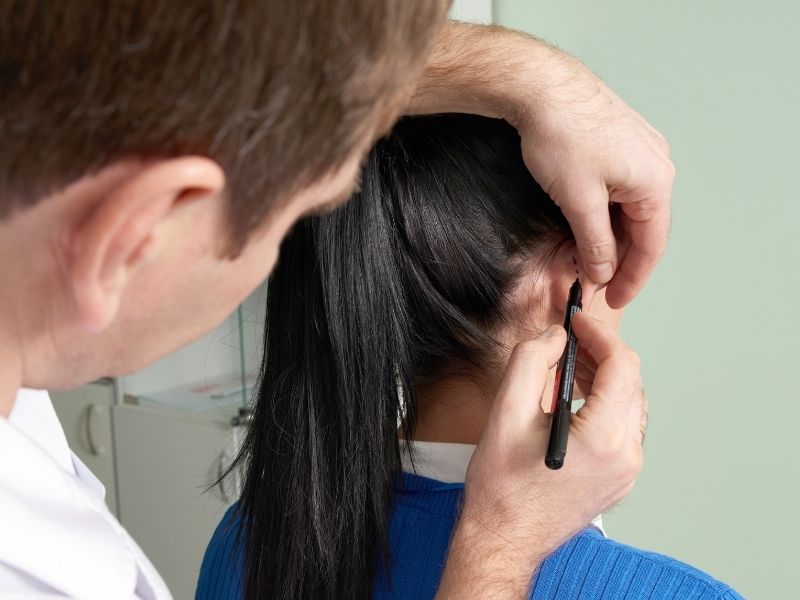
Recovery after otoplasty is generally comfortable. However, there are some points to pay attention to after surgery:
The full recovery period after otoplasty usually takes 2–3 weeks. At the end of this period, your ears achieve a natural appearance. The results of the surgery are generally permanent and provide aesthetically satisfying outcomes.
Otoplasty corrects congenital ear deformities such as prominent ears. Achieving a more aesthetic appearance can increase an individual’s self-confidence and create positive effects in social life.
After surgery, the ears achieve a natural appearance. This is a major advantage for individuals with aesthetic concerns. The surgical scar is usually behind the ear, so it is not noticeable from the outside.
Not only aesthetic but also functional corrections are provided. Hearing problems caused by ear deformities can be corrected with otoplasty.
In the pre-operative period, a detailed consultation with an ear, nose, and throat specialist is important. In this meeting, the patient’s expectations and information about how the surgery will be performed are provided.
The surgeon performs a physical examination to evaluate the current condition of the ears. Ear structure, symmetry, and general health status are reviewed.
During the planning process, a decision is made about the final shape of the ears. The surgeon plans the procedure in line with the patient’s expectations.
In the pre-operative period, certain preparations are made considering the patient’s general health status. Blood tests, allergy tests, and anesthesia suitability are evaluated.
During surgery, a small incision is made behind the ear. This incision is used to reshape the ear cartilage and, if necessary, remove excess tissue. The surgeon works carefully to achieve a natural appearance.
After the ear is reshaped, the incision is closed with sutures. The sutures are usually absorbable and disappear on their own over time. This eliminates the need to remove stitches after surgery.
After surgery, special bandages and protective headbands are used to protect the ears. This helps keep the ears stable during healing and preserves the desired shape.
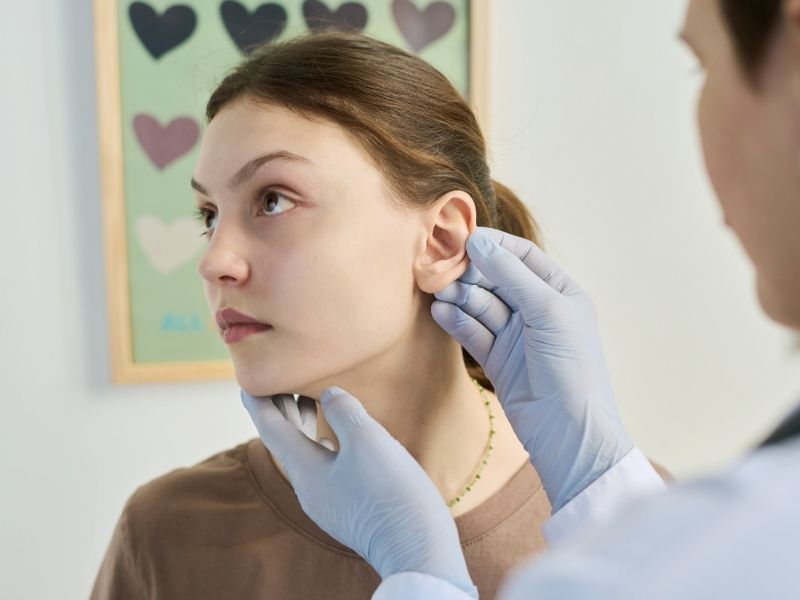
In the post-operative period, attention should be paid to ear hygiene. Keeping bandages clean and applying the care methods recommended by the surgeon are important.
Mild pain may occur after surgery. The painkillers recommended by your doctor should be used regularly. Pain typically decreases within a few days and disappears completely.
In the post-operative period, it is important to attend regular doctor follow-up visits. The surgeon evaluates the healing process of the ears and performs additional interventions if necessary.
Attending regular follow-up visits after surgery ensures the healing process progresses in a healthy way. During follow-ups, the condition of the ears is evaluated and additional interventions can be performed if needed.
Adopting a healthy lifestyle after surgery contributes positively to healing. Factors such as balanced nutrition, sufficient sleep, and avoiding stress speed up the recovery process.
Paying attention to ear hygiene minimizes the risk of infection. Regular cleaning of bandages and protective wear and applying the care methods recommended by the doctor are important.
1) Otoplasty How Long Does the Surgery Take?
The surgery usually takes 1–2 hours. However, the duration may vary depending on the complexity of the procedure.
2) When Can I Return to Work After Otoplasty?
Most patients can return to work within 1 week after surgery. However, caution should be taken during the full recovery period.
3) Is Otoplasty Surgery Permanent?
Yes, the results of otoplasty surgery are generally permanent. The shape and position of the ears are corrected permanently.
4) Is Otoplasty Surgery Painful?
No pain is felt during the surgery because anesthesia is used. Mild pain may occur after surgery, but it can be controlled with painkillers.
5) What Is the Suitable Age for Otoplasty?
The most suitable age for otoplasty is between 5 and 7 years. However, adults can also safely undergo this surgery.
6) Will There Be Scarring After Otoplasty Surgery?
Since the incision is usually made behind the ear, scars remain hidden after surgery and become less noticeable over time.

Septorhinoplasty is a surgical procedure that corrects both nasal aesthetics and breathing problems at the same time; it improves both app...

Our eyebrows and forehead area are among the most defining regions of our facial expression....

Facelift surgery (rhytidectomy) is an aesthetic surgical procedure that provides a younger, firmer, and natural appearance by eliminating sa...