
Nasal Tip Surgery (Tip Plasty)
Nasal tip surgery (Tip Plasty) is a surgical procedure that aims to make the nasal tip appear more balanced and aesthetic by reshaping the c...

Facelift surgery, medically known as rhytidectomy, is a cosmetic procedure that aims to reverse the effects of aging on the face. Focusing primarily on the face and neck area, it targets issues such as sagging skin, wrinkles, and loss of facial expression. The main goals of facelift surgery are as follows:
Facial Tightening: The surgery lifts and tightens facial tissues to achieve a younger and smoother appearance.
Wrinkle Reduction: It provides a younger look by eliminating deep wrinkles, lines, and folds, especially around the eyes, mouth, and forehead.
Enhanced Facial Contours: After surgery, facial contours and definition improve, and overall facial harmony increases.
Improved Skin Elasticity: The procedure contributes to a refreshed and revitalized facial appearance by increasing the skin’s elasticity and firmness.
Facelift surgery is typically performed under general anesthesia with carefully planned incisions designed to minimize visible scarring. It continues to be a popular choice for those who want to achieve a youthful appearance and rejuvenate facial aesthetics through surgical methods.
Facelift surgery, medically referred to as rhytidectomy, is a cosmetic procedure primarily aimed at reversing the visible signs of aging on the face. The main goals of a facelift include:
Facelift surgery is tailored to each individual’s needs and goals, ensuring that results look natural and harmonize with the patient’s overall facial features.
Facelift surgery provides many significant advantages:
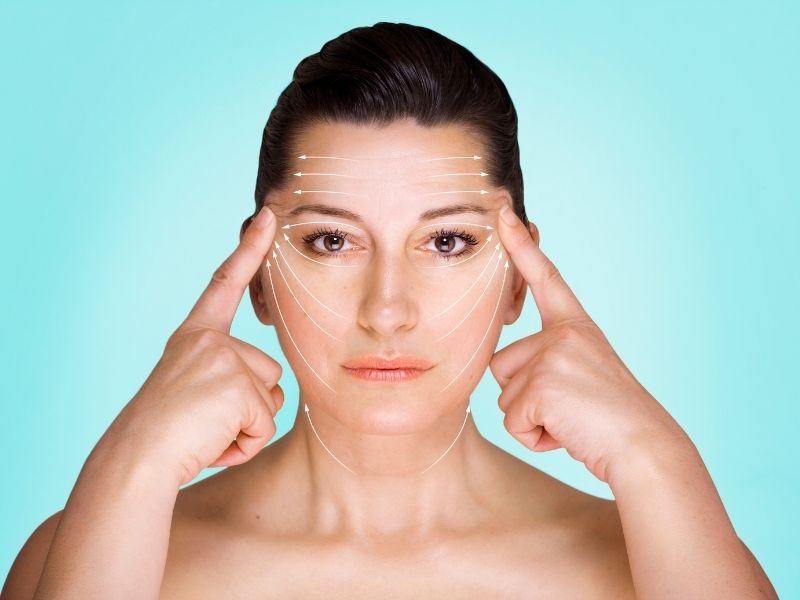
These benefits show how facelift surgery effectively rejuvenates and enhances facial aesthetics, offering lasting improvements that enhance both physical appearance and emotional well-being.
Before undergoing facelift surgery, other important points to consider include:
By taking these additional factors into account and discussing them in detail with your surgeon, you can approach facelift surgery with confidence and achieve the best possible results for your individual needs.
Facelift surgery (rhytidectomy) may be suitable for individuals who have the following conditions:
Each person’s suitability for facelift surgery is typically evaluated individually through a detailed consultation and examination by a surgeon. Factors such as health status, skin condition, expectations, and post-operative care plans are considered in this process.
After facelift surgery, it is very important to follow the steps below to support a successful recovery:
Following these steps carefully will contribute to a smoother recovery and increase your likelihood of achieving satisfying results from your facelift surgery.
After facelift surgery, the recovery process generally follows these stages:
If you have any concerns or questions during your recovery, adhering closely to your surgeon’s instructions and seeking their guidance will help you achieve the best possible outcome from your facelift surgery.
Facelift surgery, also known as rhytidectomy, carries certain risks like any surgical procedure. These potential risks include:
To understand individual risks and benefits and to minimize possible complications, facelift surgery should always be approached through a comprehensive consultation with a qualified surgeon, ensuring proper preparation and post-operative care.
The procedures to be performed determine the answer to how many hours facelift surgery takes. Facelift surgeries often take an average of 2 to 5 hours. However, if there are additional procedures to be performed within this time, the operation may be prolonged. To get precise information about duration, you should discuss it specifically with your surgeon.
Facelift surgery is one of the surgical methods preferred by people who are not satisfied with sagging and wrinkles that occur on the skin. Like other surgeries, facelift surgery has a process that must proceed with a certain order. The main steps of the facelift surgery process are as follows:
Before the patient is taken into surgery, the specialist surgeon evaluates factors such as overall health status, skin type, and medical history. Local or general anesthesia is selected by the surgeon according to the procedure to be performed and the patient’s current health status, and is administered to the individual. The surgeon creates an incision that starts in front of the hairline and extends behind the ear and toward the back of the hairline. This is used to tighten the skin. Excess skin tissue is removed and the structures under the skin are rearranged. Thus, sagging areas are corrected. Fat tissues in the skin are reshaped to make facial contours more defined. When the procedures are completed, the surgeon sutures the incisions using fine stitches. They pay attention to aesthetic techniques so that the suture sites leave less scarring. The patient then moves into the healing process; a patient-specific recovery plan is prepared and implemented.
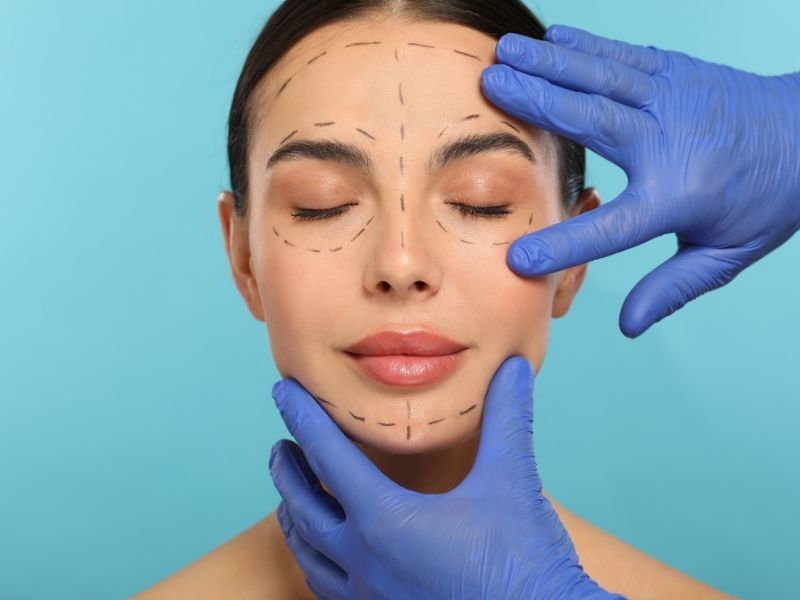
Mini facelift is a less invasive version of traditional facelift. It focuses on improving the lower half of the face, especially the jawline and neck, by tightening the skin and underlying tissues. This procedure is generally recommended for individuals with mild to moderate signs of aging who do not yet need a full facelift.
Benefits:
Ideal Candidates:
The effects of facelift surgery often last between 7 and 10 years. The surgery does not stop the aging process, but it provides a younger and more dynamic appearance by reducing sagging and wrinkles that occur over time on the face. This duration can vary depending on various factors such as skin structure, genetic factors, lifestyle, and sun exposure.
The key to preserving the effects of facelift surgery for long periods is regular skincare, sun protection, a healthy lifestyle, and regular follow-up visits with your surgeon. By following these steps, you can help optimize your post-surgery results.

Facelift surgery, like other surgical procedures, carries risks including the possibility of temporary facial paralysis. This is usually due to temporary nerve irritation or post-operative swelling and typically improves as the healing process progresses. However, rarely, there is a possibility of permanent nerve damage.
To minimize these risks, it is important to choose an experienced and skilled surgeon for facelift procedures, ensure that appropriate surgical techniques are used, and meticulously follow post-operative care instructions. Before undergoing facelift surgery, discuss these risks thoroughly with your surgeon to understand what to expect and how best to reduce potential complications.
Facelift surgery is a procedure that aims to eliminate common signs of aging, such as loose skin, wrinkles, and volume loss in the face. It achieves this by lifting and repositioning underlying tissues and removing excess skin, providing a smoother and more youthful appearance. While facelift surgery provides significant cosmetic improvements, it is important to remember that it does not completely stop the natural aging process. Factors such as genetics, sun exposure, and lifestyle choices continue to play a role in how the face ages over time.
To maximize and maintain the results of facelift surgery, individuals are advised to adopt healthy habits such as following a suitable skincare routine, using daily sunscreen to protect the skin from UV damage, eating a balanced diet rich in antioxidants, and exercising regularly to promote overall health. Smoking and excessive alcohol consumption should be avoided. These practices not only support long-term aesthetic benefits but also contribute to overall well-being and skin health.
The prices of facelift surgery vary depending on several factors. The size of the area to be treated—for example, the difference between tightening only the lower face and tightening the entire face and neck—affects the cost. In addition, skin structure and aesthetic needs can also affect pricing; each individual’s needs are different. The type and quality of techniques and materials used play an important role in determining the cost. For example, there may be price differences between classic facelift methods and endoscopic facelift. The surgical process and recovery process can also affect the price; more complex cases and additional procedures can increase the cost. The experience of the center and the surgeon may influence the overall price. In centers approved by the Ministry of Health of the Republic of Türkiye and compliant with regulations, price information is generally not shared on websites. To get more information about facelift surgery, you can contact us through our contact details.
Nasal tip surgery (Tip Plasty) is a surgical procedure that aims to make the nasal tip appear more balanced and aesthetic by reshaping the c...

Deep plane facelift is an aesthetic surgical procedure that aims to correct sagging in the face and neck by repositioning the deeper tissues...

Otoplasty is ear aesthetic surgery. It corrects prominent ears and deformities, provides a natural appearance and self-confidence. It provid...