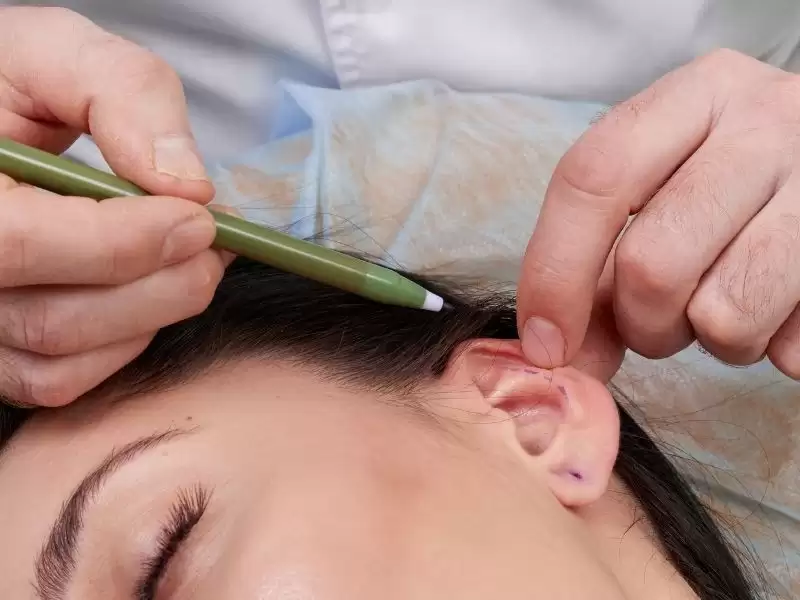
Ear Aesthetics
Ear aesthetics is a surgical procedure designed to correct prominent ear appearance and shape differences in the ear folds in harmony with
Performed for aesthetic purposes, surgical procedures are personalized interventions that evaluate facial proportions, expression, and functional needs together rather than simply changing a single area of the face. When planning aesthetic surgical procedures, age, skin structure, bone and cartilage anatomy, expectations, and healing capacity are taken into consideration. Facial aesthetic surgeries aim to preserve a natural appearance through proper patient selection. In the facial plastic surgery approach, the main goal is not to make a person look like someone else, but to enhance balance within their own facial structure.
Surgeries performed in the facial area may be planned to correct age-related sagging, address congenital differences, repair deformities caused by trauma, or improve functions such as breathing. In this context, facelift, brow and forehead lift, eyelid surgery, cheek contouring, nasal surgery, and ear aesthetics are among the prominent procedures.
Not every procedure has the same scope. While some surgeries target only a specific anatomical area, others address multiple parts of the face together. During Ankara aesthetic surgery evaluations, the person's facial proportions, photographic analysis, facial movements, skin quality, and functional complaints are assessed together to determine whether a single procedure or combined surgery is appropriate.
Although planning begins with the patient identifying the area that bothers them when looking in the mirror, the surgical decision is not based solely on this statement. Forehead height, brow position, the eye area, cheekbones, cheek volume, nose, jawline, and neck angle are evaluated as a whole. This makes it possible to anticipate how a change in one area may affect other parts of the face.
Age alone is not the determining factor for facial rejuvenation surgeries. The degree of tissue laxity, skin elasticity, changes in facial volume, and the person's overall health status are more important. During photography and examination, the intended changes are discussed clearly; what the surgery can achieve and its limitations are explained realistically.

Facelift surgery is performed to reduce sagging in the cheeks, jawline, and, when necessary, the neck area. The surgical plan is not based solely on tightening the skin; repositioning the deeper supporting tissues in the appropriate direction may help create a more balanced and longer-lasting improvement in the facial contour.
The location of the incisions varies depending on the technique used and the targeted area. The hairline and natural folds around the ear are generally used to make scars less visible. Complementary procedures such as eyelid surgery, brow lift, neck surgery, or fat transfer may be added to the scope of the surgery; however, each combination should be selected according to the patient's needs.
Temporal facelift is a more limited upper-face surgery that targets laxity in the temple area and the outer part of the brow. It may be considered particularly in people with drooping of the brow tail, a tired appearance around the eyes, and laxity in the temple tissues. The procedure focuses on a different anatomical area from the classic facelift method that addresses the entire face.
Surgical incisions are usually planned within the hair-bearing scalp. Since pulling the tissues excessively upward may create an unnatural appearance, the direction, tension, and balance between the two sides are calculated carefully. When evaluating the result, not only the height of the brow but also its shape and relationship with the eyelid are taken into consideration.
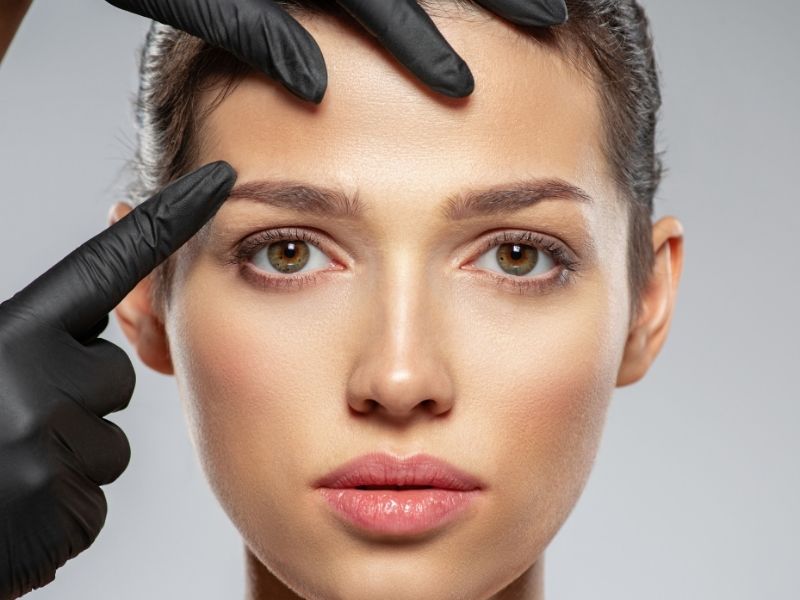
Brow lift surgery aims to correct a low brow position and reduce a heavy appearance around the upper eye area. Forehead lift surgery, on the other hand, may address broader upper-face changes such as forehead lines, deepening between the brows, and laxity in the forehead tissues. The choice between endoscopic and open techniques is made according to the hairline, forehead height, and condition of the tissues.
Raising the brows in the same way for everyone is not appropriate. Female and male facial anatomy, brow arch, eye structure, and facial expression habits influence planning. The aim is not to create a permanently surprised expression, but to reposition the brows in a way that is compatible with the natural proportions of the face.
While a brow lift focuses more on repositioning the entire brow or its outer portion, a forehead lift addresses the forehead tissues and horizontal lines over a broader area. In some people, both goals can be achieved within the same surgery; in others, only a limited brow intervention may be sufficient.
Excess skin on the upper eyelid does not always originate solely from the eyelid itself. A low brow position can also create heaviness over the eyelid. Therefore, when eyelid surgery is being considered, evaluating the brow and forehead anatomy together is an important planning step that helps prevent excessive skin removal.
Eyelid aesthetics may be performed to correct excess skin on the upper eyelid and puffiness or laxity of the lower eyelid. People researching blepharoplasty Ankara should know that the upper and lower eyelids are not treated with the same method. The surgical approach varies depending on whether the problem is related to the skin, muscle, fat tissue, or eyelid support.
The upper eyelid incision is usually planned within the natural eyelid crease. For the lower eyelid, approaches made below the eyelashes or from the inner surface of the eyelid may be considered. Dry eye, eyelid laxity, brow drooping, and previous eye surgeries are important in planning; the aim is to create a more rested appearance while preserving the natural shape of the eye.
Bichectomy aims to define the mid- and lower-face contour by carefully reducing a specific fat pad located deep within the cheek. Because the procedure is performed through the inside of the mouth, there is no externally visible skin incision. However, not every person with full cheeks is suitable for this surgery.
Cheek aesthetics does not only mean reducing volume. In some faces, the issue is not excess volume but the downward displacement of volume with age or reduced support in the cheekbone area. Since excessive fat removal may make a hollow appearance more noticeable in later years, facial type, age, and long-term tissue changes should be taken into account.

Nasal aesthetics may involve reshaping the nasal bridge, nasal tip, nostrils, and the proportions between the nose and the face. During a rhinoplasty Ankara evaluation, not only the profile view but also the frontal view, facial length, chin structure, skin thickness, and nasal support are analyzed together.
Rhinoplasty may be performed for aesthetic purposes and may also include correction of breathing problems. When planning functional nasal surgery, the septum, nasal valve, turbinates, and previous traumas are evaluated. A natural result is associated with ensuring that the changes made to the nose are harmonious with the other facial features while preserving a healthy airway as much as possible.
Septorhinoplasty combines reshaping the external appearance of the nose with correcting a deviated or problematic septum during the same surgical process. In every person with nasal obstruction, the cause is not solely the septum; nasal valve narrowing, turbinate enlargement, allergic conditions, or previous surgeries should also be included in the evaluation.
During the surgical plan, both aesthetic goals and breathing expectations are determined. Cartilage obtained from the septum may be used to strengthen nasal support when needed. Therefore, instead of an approach focused solely on reducing the external appearance, the durability of the nasal framework and airway function should be preserved together.
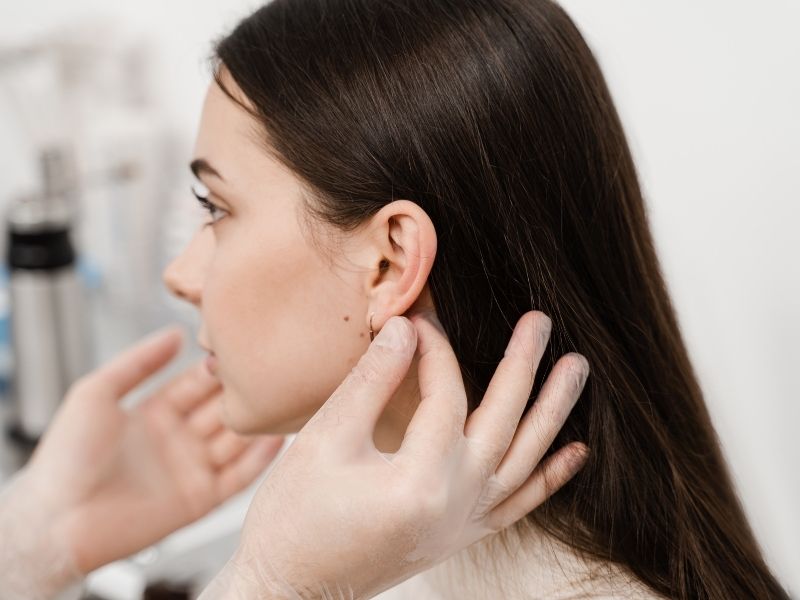
Ear aesthetics may be performed for prominent ears, insufficient ear folds, differences between the two ears, or deformities caused by trauma. During an otoplasty Ankara evaluation, the angle between the ear and the head, cartilage structure, ear size, and overall facial proportions are examined.
Incisions are usually hidden behind the ear or within its natural folds. It may be necessary to reshape the cartilage, create new folds with sutures, or remove a limited amount of cartilage. The goal is not to pin the ear excessively close to the head, but to achieve a position that is harmonious with the face while preserving the natural folds.
Before surgery, medical history, regularly used medications, allergies, previous operations, smoking, and bleeding tendency are evaluated in detail. Necessary blood tests and anesthesia assessments are planned according to the scope of the procedure and the person's health status.
Blood-thinning medications, certain pain relievers, or herbal products should be discontinued only upon a physician's recommendation. Since smoking may negatively affect circulation and wound healing, it is important to stop smoking during the preoperative and postoperative periods. Informing the patient in advance about the day of surgery, accompaniment, home care, and follow-up appointments helps facilitate the recovery process.
Recovery time varies depending on the scope of the procedure performed. Swelling, bruising, tightness, numbness, and mild pain may occur during the first few days. These symptoms generally decrease over time; however, complete tissue settling and the final result becoming apparent may take months after some surgeries.
Keeping the head elevated, using prescribed medications regularly, protecting the incision areas as recommended, and avoiding strenuous exercise for the specified period are important. In the event of unexpected symptoms such as suddenly increasing swelling, significant one-sided pain, bleeding, shortness of breath, vision changes, or fever, the surgeon should be contacted without delay.
A natural result does not mean that the change goes unnoticed, but that the face appears more balanced and rested without altering its character. For this, proper procedure selection, measured intervention, and positioning the tissues in accordance with their anatomical directions are as important as the surgical technique. While symmetry is pursued, it should also be remembered that natural differences exist in the human face.
Successful planning requires the patient's expectations and the surgeon's anatomical assessment to meet at a common goal. Rather than performing more procedures than necessary, identifying the area of the face that needs the most attention, preserving function, and taking the aging process over time into account contribute to more sustainable results.
```
Ear aesthetics is a surgical procedure designed to correct prominent ear appearance and shape differences in the ear folds in harmony with

Facial aesthetics includes procedures in Ankara that support facial proportions, such as facial rejuvenation, facelift, and lower jaw retrus

Rhinoplasty involves surgical procedures planned according to the shape of the nose, facial proportions, breathing function, and individual

Facial rejuvenation is planned according to signs of aging, using facial aesthetics, skin rejuvenation, and facelift options.