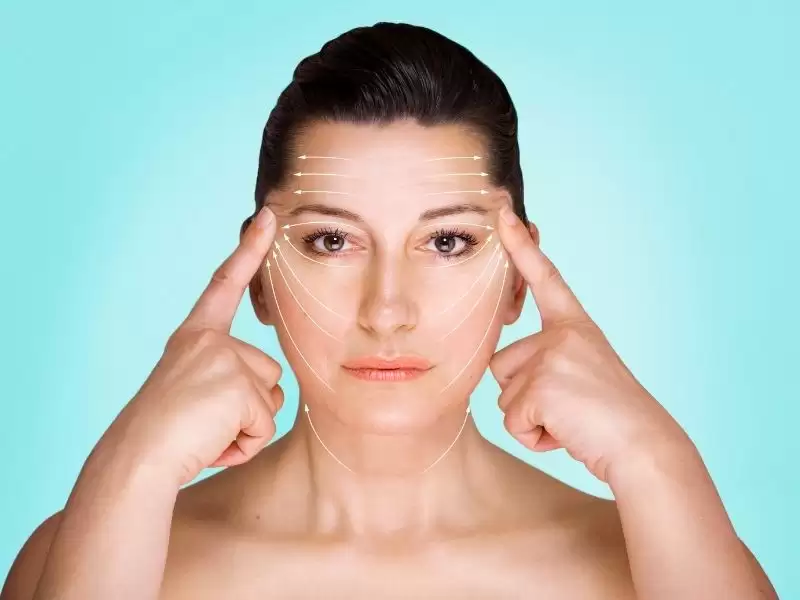
Liquid Facelift
Liquid facelift balances facial proportions by targeting volume loss and lines without surgery, helping achieve a more rested and refreshed ...

One of the most prominent elements that creates a “line” effect in facial features is the lower face frame. When the jawline is defined, the face can look more compact, more balanced, and more refreshed. Over time, factors such as weight changes, natural transformation in bone structure, decreased skin elasticity, and volume accumulation in the neck-lower face area can soften this frame. When the lower face frame loses its definition, an expression may appear as if there is increased heaviness in the lower part of the face, and the profile may be perceived as rounder. In this case, the goal is to make the jawline more readable while preserving the face’s natural proportions and to show a more balanced transition between the lower face and the neck. During planning, the jaw angles, chin, and transition points along the jawline are evaluated together; because a holistic approach, rather than focusing on a single area, produces a more natural result.
Applications that aim to show the lower face frame more clearly are evaluated through proportion, transition, and contour in terms of planning logic. The goal in this area is not to enlarge a single point, but to balance the softened transition along the jawline. In this context, the term jawline describes the frame extending from under the chin to the jaw angles. The answer to what we are improving varies from person to person: in some faces, the contour weakens because the bony lines are thin and positioned back; in some faces, soft tissue accumulation blurs the lines; and in some faces, asymmetry becomes more apparent. Therefore, the application should be handled by mapping the face in harmony with other regions.
The clarity of the jawline is not only dependent on bone structure; skin quality, fat tissue distribution, muscle tone, and tissue changes that develop with age are also determining factors. For example, weight gain or localized fat accumulation can lead to volume build-up in the neck-lower face area, softening the frame. Conversely, weight loss and age-related volume reduction can create a “hollow” effect under the chin, making the transition less defined. In addition, in faces where the chin is positioned back, the lower face proportion changes and the line extending toward the jaw angle may not appear sufficiently supportive. Here, the question what is jawline is not only a definition, but also a starting point that gives a clue about where the problem lies. In some people, loosening is more skin-related, while in others, soft tissue accumulation is dominant. Therefore, rather than a single solution, it is necessary to read the source of the problem correctly; if it is not read correctly, adding excessive volume or targeting the wrong area can harm the natural look.

The approach to defining the jawline can be addressed under contour adjustment and improving the lower face-neck transition. For some, the most practical target is to define the frame with slight support along the jaw border; for others, reducing the volume accumulated under the neck or tightening excess skin is more of a priority. Therefore, the right method for jawline definition is chosen according to the needs of the facial structure. In some faces, building the frame with filler is sufficient, while in others, surgery or different approaches may be more appropriate. The goal in planning is not to “enlarge a single area,” but to create a more balanced appearance while preserving the overall proportions of the face. In addition, for the goal of jawline definition, evaluating the lower face together with the cheeks and chin helps the results look more natural. The headings below explain the most commonly preferred methods.
This method is based on providing support along the contour to redefine the lower face frame. The goal is to show the line between the jaw angle and the chin more clearly and to place the lower end of the face into a more balanced frame. Planning starts by evaluating where a sense of emptiness is felt along the jaw border, whether there is asymmetry, and how defined the neck-lower face transition is. In this context, the term jawline filler describes a logic of gradual support along the line rather than adding volume to a single point. The material used and the amount vary depending on skin thickness and the targeted appearance; since excessive amounts can create a sense of heaviness in the lower face, proceeding in a controlled way yields a more natural result. After the procedure, short-term tenderness or mild swelling may be seen; the goal is to plan a process that does not make returning to daily life difficult.
Strengthening the lower face frame is sometimes not limited to the jaw border; the position and projection of the chin also affect the overall appearance. If the chin is positioned back, the jawline may be perceived as shorter and softer. In this case, support directed to the chin contributes to a more balanced readability of the frame. Here, the term chin filler is used to refine the lower face proportion and to target a more balanced line in the profile. In planning, not only moving the chin forward but also the balance of height and width is considered; otherwise, the lower end of the face can become an unnatural focal point. The success of the application depends on an approach that preserves proportional harmony and considers asymmetry.
In some people, the main reason for the jawline becoming less defined is soft tissue accumulation under the chin and in the neck area. In this case, instead of drawing the frame with filler, reducing excess volume may be a more correct strategy. The liposuction approach aims to make the lower face-neck transition clearer by reducing fat tissue under the chin in suitable candidates. Here, the question what does jawline mean gains a practical meaning: sometimes the problem is not adding a line, but reducing the tissue that covers the line. Suitability depends on factors such as skin elasticity, fat distribution, and neck skin excess. During recovery, swelling and bruising may be seen; the process varies according to the application area and individual healing speed.
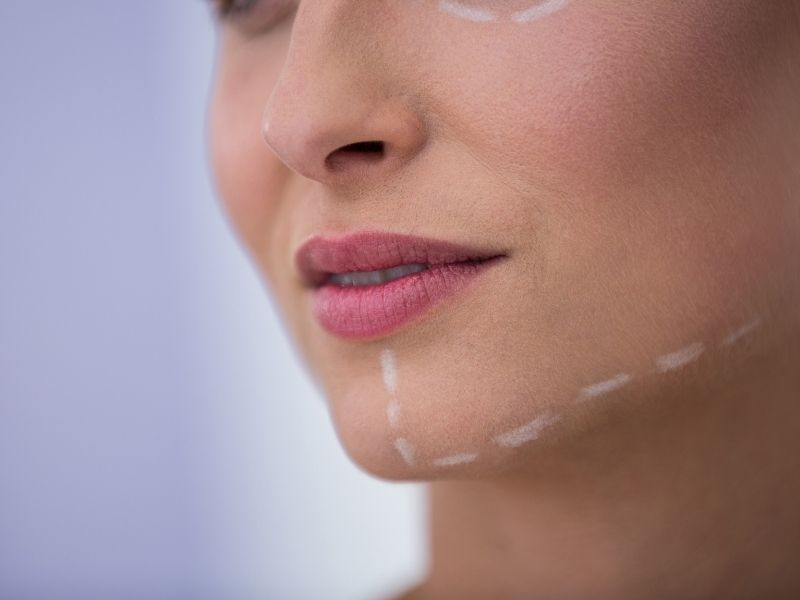
In cases where the jaw structure is positioned back, the chin has insufficient projection, or the bony lines remain noticeably weak, surgical options can provide a more permanent adjustment. Genioplasty aims to balance the lower face proportion by repositioning or reshaping the chin at the bone level. This approach is based on regulating the bony structure rather than supporting with filler and provides a long-term change in suitable individuals. Here, the term jawline surgery is used as a general expression covering bone and soft tissue surgeries; genioplasty is a specific surgical method within this heading. In planning, the facial profile and lower face proportions should be evaluated together.
Sometimes the main issue in losing the lower face frame is not the jaw border, but loosening and excess skin in the neck area. In this case, trying to define the jawline only with filler may not provide the desired clarity. The neck lift approach regulates the lower face-neck transition by tightening lax neck skin and helps the frame become more readable. In this section, the term chin aesthetics refers not only to the chin tip, but also to planning that addresses the lower face and neck transition as a whole. Surgical tightening can provide a more defined frame in suitable cases; however, the recovery process proceeds in a more controlled manner.
The application process starts with facial analysis before the injection itself. The jaw angles, transitions along the jawline, chin support, and the lower face-neck boundary are evaluated together. Then, it is planned which points will be supported, at what depth, and how much. At this point, the phrase how jawline is done refers not to a single technique, but to a personalized planning and application approach. Among the materials that can be used, hyaluronic acid-based options and, in cases where more structural support is targeted, calcium hydroxyapatite-based options can be considered. After the procedure, short-term redness, tenderness, or mild bruising may be seen. In the first days, avoiding factors such as intense heat, heavy exercise, and pressure on the area can provide a more comfortable process.
The aesthetic perception of the lower face can vary by gender; this brings form and proportion differences to the forefront in planning. While a straighter, more defined, and wider jaw frame may be desired in the male face; softer transitions and a slimmer frame may be targeted in the female face. In male jawline planning, the form of the chin affects the result as much as the definition of the jaw angles. Therefore, the jawline filler male approach should be handled with the logic of building a frame suitable for masculine proportions rather than applying more product. One-size-fits-all applications made without considering the person’s facial width, cheekbone structure, and lower face proportion can harm naturalness.
Persistence cannot be reduced to a single timeframe, because the duration of effect varies depending on material properties, metabolism, intensity of facial expressions, and lifestyle. Therefore, the question how long does jawline filler last is evaluated through the planned area and the structure of the product used. Likewise, the question is jawline permanent should be addressed as “how long does it last and when is a refill needed.” In some people, small touch-ups remain satisfying for a long time, while in others, periodic check-ups and limited renewals may be needed to maintain the contour. The topic of cost is also often asked together with persistence; here, searches such as jawline filler price and jawline price refer to a framework that varies according to the area to be treated, the amount of product, and the session plan.
The jawline refers to the jaw contour that frames the lower face. It describes the clarity of the contour between the jaw angles and the chin.
Although they may look like similar procedures, the goal can be different. Jawline filler focuses more on defining the contour along the jawline.
It varies depending on the person’s facial structure and the target. The amount is planned according to the need along the jawline and the presence of asymmetry.
It can occur; it is usually short-lived. Swelling tendency varies depending on the person and the scope of the procedure.
It varies depending on the type of application, the amount of product to be used, and the areas addressed. Clear information is determined after the examination and planning.
The discomfort felt varies from person to person. In most people, the procedure comfort is manageable.
Usually, a more natural appearance forms within a few days. In people prone to swelling, the duration may be longer.
It is not fully permanent; the duration of effect varies depending on the person and the product used. Check-ups and renewals can be planned as needed.
If planned correctly, the goal is not harshness but a natural contour. Excessive application can disrupt the natural look.
In the first days, it is recommended to avoid intense heat, heavy exercise, and pressure on the area. It is also important not to do firm massage.

Liquid facelift balances facial proportions by targeting volume loss and lines without surgery, helping achieve a more rested and refreshed ...
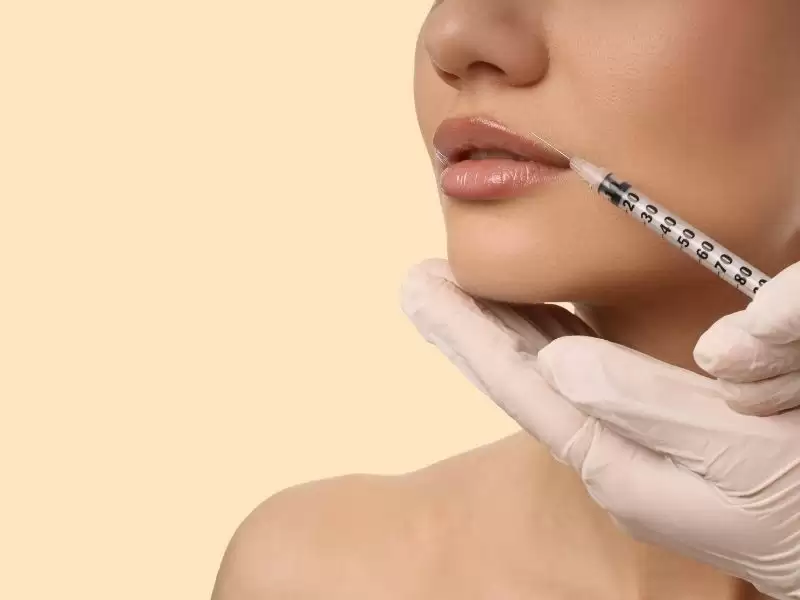
Lip filler is a popular aesthetic procedure that provides a natural and fuller appearance by adding volume, shape, and symmetry to the lips ...
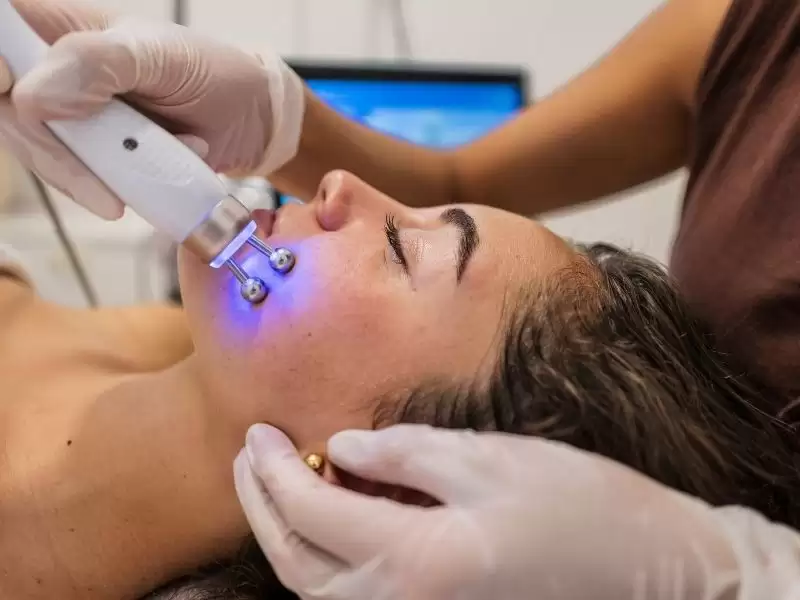
Skin rejuvenation refers to aesthetic procedures such as laser treatments, PRP, mesotherapy, and similar applications that aim to support sk...