
Exosome Therapy
Exosome therapy is a natural and safe method that is effective in skin rejuvenation and hair loss treatment by supporting cellular renewal...
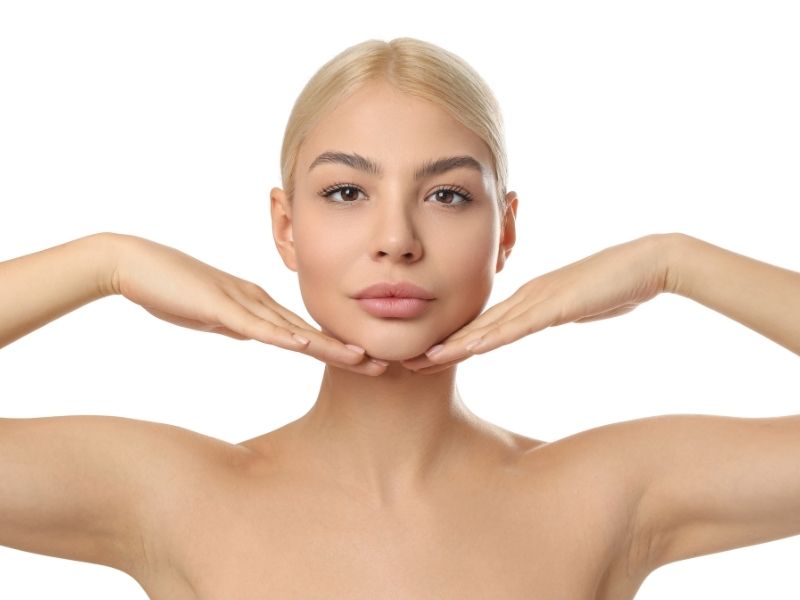
Peptide treatment is one of the medical aesthetic methods used to support skin vitality, moisture balance, and overall skin quality that may decline due to aging and environmental factors. Skin rejuvenation aims not to change the face, but to achieve a more vibrant, balanced, and rested appearance. Ankara skin rejuvenation procedures are based on proper product selection, skin analysis, and personalized planning.
Peptides are biological structures formed when amino acids join together in short chains. Some peptides used in skin care are formulated to support signaling between cells, strengthen moisture balance, and contribute to the skin's repair processes.
Ankara peptide treatment procedures do not use a single standard formulation; the product composition and treatment plan may vary according to the individual's skin needs. Since the type of peptide, supporting ingredients, application depth, and interval between sessions may vary, planning is carried out after a physician's examination.
Skin rejuvenation with peptides aims to support cellular communication and regenerative capacity rather than directly filling the skin's supporting tissues. Therefore, results are not seen as an immediate increase in volume as with filler treatments, but rather as a gradual improvement in skin quality.
Appropriate ingredients may contribute to the skin's moisture-retention capacity, surface smoothness, and a more balanced appearance. However, the effects of peptides depend on the product formulation and application method; although current studies are promising, the same level of clinical evidence is not available for every peptide product.
Some signaling peptides may convey messages related to the renewal of supporting tissue to cells called fibroblasts. In this respect, peptide applications may be considered among treatments that support collagen production; however, the degree of change may vary depending on age, sun damage, and the skin's initial condition.
Collagen peptide is also often used to refer to orally consumed hydrolyzed collagen products. These are not the same as peptide ingredients administered by injection, and the mechanisms of action, doses, and methods of use of the two approaches differ.
Changes in collagen and elastin organization that occur with aging may cause the skin to appear looser and thinner. Because peptide-containing formulas aim to support the dermal matrix, they may make a difference in skin elasticity over time.
This effect does not mean a pronounced facelift result. While a firmer appearance may be supported in skin with mild quality loss, surgery or different energy-based methods may be more appropriate for advanced sagging.
Peptide treatment for skin rejuvenation is generally one of the methods considered for people who want to support skin quality. People experiencing loss of skin elasticity, fine wrinkles, or uneven skin tone may be suitable candidates for this treatment.
Peptide-containing applications may also be preferred by people who want to support their skin care routine. These applications may be considered especially for people who want to reduce early signs of skin aging. Before peptide treatment is planned, the person's skin structure, needs, and expectations are evaluated. Based on this evaluation, the most appropriate skin rejuvenation plan is created.
Peptide applications may be considered for people with fine lines, dryness, superficial texture irregularities, and loss of vitality. Especially for early signs of aging, they may be used as part of a fine wrinkle treatment plan.
Sun exposure, stress, smoking, irregular sleep, and environmental pollution may lead to a dull skin appearance over time. Although peptide-containing protocols aim for a brighter appearance by supporting moisture and surface renewal, additional treatments may be required depending on the cause of discoloration.
How peptide treatment is performed depends on the product used. During the examination, skin thickness, moisture level, sensitivity, tendency toward discoloration, active conditions, and previous aesthetic procedures are evaluated.
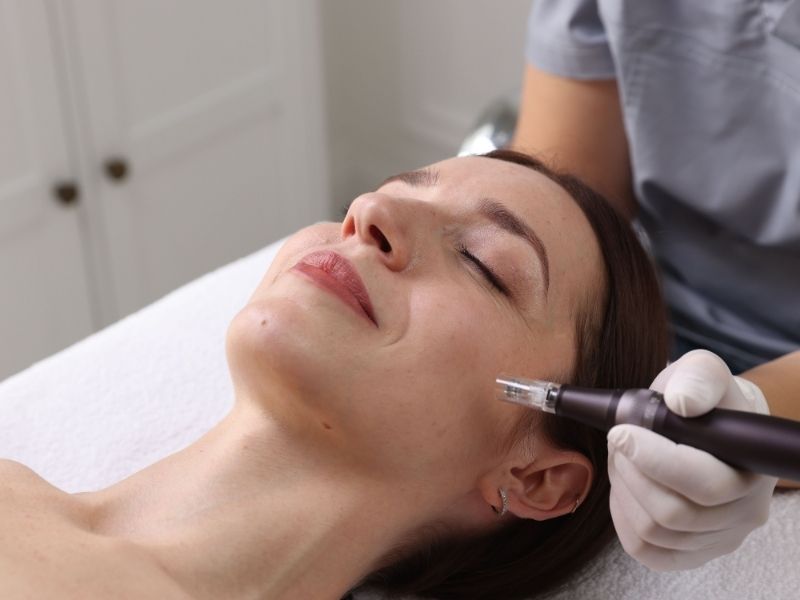
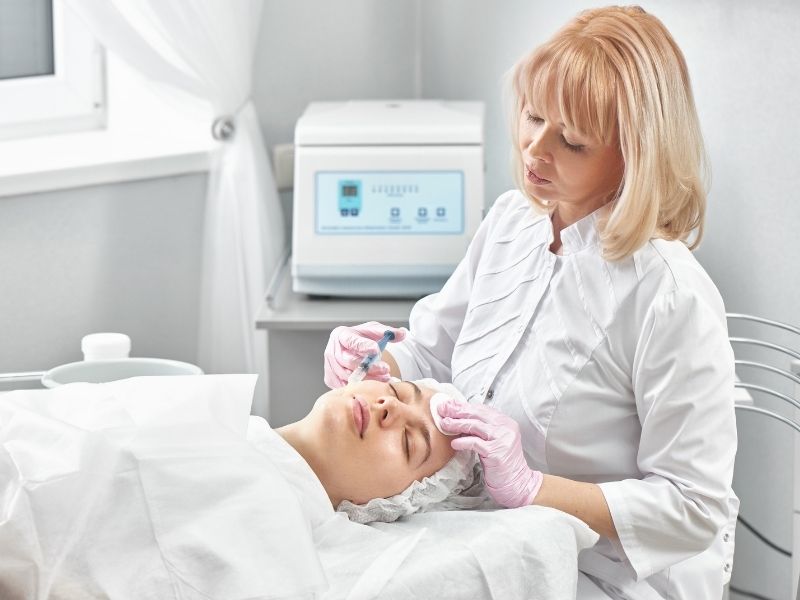
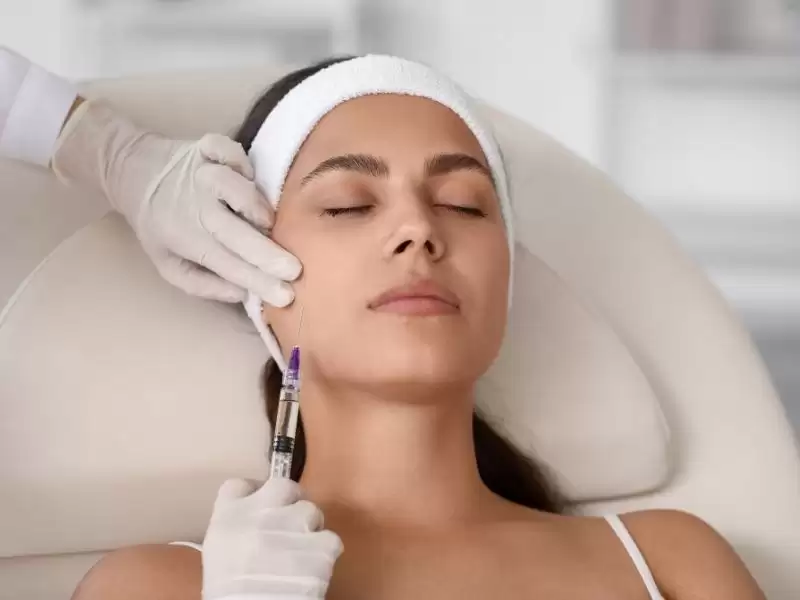
After the skin is cleansed, a local anesthetic cream may be applied if necessary. The prepared formulation may be administered to designated points with very fine needles or, in some protocols, delivered to the skin surface in a controlled manner using methods such as microneedling.
Peptide mesotherapy is the application of peptides and selected supporting ingredients into the superficial layers of the skin through small injections. The injection frequency, depth, and amount of product used are determined individually according to the characteristics of the area where peptide mesotherapy will be performed.
Ankara peptide mesotherapy is planned by considering the reliability of the product and the application conditions, while evaluation by a physician with a thorough knowledge of facial anatomy is also important. The procedure should be performed under sterile conditions to reduce the risk of infection.
Most people can return to their daily routine on the same day after the procedure. After peptide treatment, mild redness, swelling, tenderness, or small bruises may occur in the injection areas; these effects usually subside on their own within a short period.
The duration of visible reactions after the procedure depends on skin sensitivity, the technique used, and the intensity of treatment. Allowing some recovery time before an important meeting or event can make the process more comfortable.
Formulas may contain signaling peptides, carrier peptides, amino acids, hyaluronic acid, vitamins, or antioxidant support. Each ingredient serves a different purpose, and the product composition should be selected according to the individual's needs.
Not every product labeled as a peptide product has the same quality, purity, or clinical data. The procedure should not be performed without evaluating the product's storage conditions, contents, manufacturing standards, and the area where it will be applied.
Peptide treatment is considered one of the skin rejuvenation methods that uses biological ingredients. This application offers an approach aimed at supporting the skin's natural renewal processes. Peptide molecules may support communication between cells and contribute to collagen production. This may help the skin appear firmer and more balanced.
Peptide ingredients are often applied together with hyaluronic acid, vitamins, and amino acid compounds. This combination may contribute to a more vibrant appearance by supporting the skin's moisture balance. Because peptide treatment can be planned together with procedures such as mesotherapy or PRP, the skin rejuvenation process can be addressed more comprehensively.
The number of peptide treatment sessions may vary according to the person's skin structure and needs. A few sessions may be sufficient for some people, while more sessions may be planned in other cases.
For skin rejuvenation applications, sessions performed at specific intervals are generally preferred. This allows the skin renewal process to be supported more consistently. When creating a treatment plan, the person's skin structure, age, and skin concerns are evaluated together. Based on this evaluation, an appropriate session schedule is determined.
Planning is not based on age alone. Skin thickness, oiliness, dryness, discoloration, expression lines, degree of sagging, and the person's recovery time are evaluated together.
Skin rejuvenation treatment may, when necessary, be supported with Botox, fillers, laser, radiofrequency, or chemical peeling. Rather than applying every method in the same session, determining the correct sequence and the interval between procedures provides a safer approach.
In the first few days, increased hydration and a more vibrant appearance may be noticed. Changes related to the collagen cycle develop more slowly, so the main improvement in skin texture usually becomes more noticeable in the following weeks. Skin tightening effects vary from person to person and may be limited in cases of advanced sagging. Results can be evaluated more objectively with photographs taken under the same lighting conditions and regular follow-up visits.
Skin rejuvenation applications with peptide treatment may vary in effect depending on the ingredients used, the person's skin structure, and lifestyle habits. Since skin renewal processes continue over time, the effects of the application may be visible for a certain period.
Regular skin care practices and healthy lifestyle habits may help maintain the achieved results for longer. In addition, applications performed at certain intervals may support the continuity of the skin rejuvenation process. When peptide treatment is planned together with skin care routines, it is considered one of the methods that may contribute to healthier, more balanced, and more vibrant-looking skin.
After peptide treatment, unnecessary contact with the treatment area should be avoided during the first few hours, and the skin should not be rubbed. It may be recommended to avoid intense exercise, sauna, Turkish bath, very hot showers, and irritating cosmetics on the same day.
Sunscreen should be used regularly, and the care plan recommended by the physician should be followed. If increasing redness, severe pain, widespread swelling, discharge, or an unexpected reaction develops, the physician who performed the procedure should be contacted.
PRP and peptide treatment may be planned as two different approaches that complement each other in the same person. PRP uses platelet-rich plasma prepared from the person's own blood, while peptide applications use specific externally prepared ingredients.
Combined use is not necessary for everyone, and the two procedures do not have to be performed on the same day. In PRP studies, modest improvements in skin texture and fine lines have been reported; however, because protocols vary, planning should be individualized.
Mesotherapy is not the name of an ingredient; it is an application method that describes delivering substances into the skin through small injections. Peptides can be administered through mesotherapy, but mesotherapy products may also contain different ingredients such as hyaluronic acid, vitamins, minerals, or amino acids.
Therefore, the two concepts are not completely separate. Peptide treatment refers to the content, while mesotherapy describes one of the ways that content can be delivered to the skin, and it may be used in suitable individuals as part of skin renewal applications. It should be taken into account that standardization of content and technique in mesotherapy applications may be limited.
Peptides are short chains of amino acids and can be formulated to mimic specific cellular signals. Exosomes, on the other hand, are extracellular vesicles that carry proteins, lipids, and nucleic acids; therefore, they differ in terms of content and biological complexity.
Although early studies on exosome applications are promising, product standardization, differences in source material, and long-term safety data are still limited. When selecting a method for evening out skin tone or rejuvenation, product safety, clinical evidence, and individual needs should be considered more important than marketing claims.
The anesthetic cream applied before peptide treatment helps reduce sensitivity associated with needle entry. A brief stinging sensation is generally felt during the procedure.
Skin rejuvenation with peptides can also be performed during the summer months, but the skin should be protected from direct sunlight. High-SPF sunscreen should be used regularly.
After peptide mesotherapy, it may be recommended to avoid makeup on the first day to protect the injection points. The time to resume makeup is determined according to the skin's response.
Peptide formulations suitable for the skin structure can be used in men as part of facial rejuvenation treatments. The treatment plan is prepared according to skin thickness, oiliness level, and signs of aging.
In sensitive skin, the tendency to redness, allergy history, and active skin problems should be evaluated before the procedure. The Ankara peptide mesotherapy plan is personalized according to the product content and the skin's tolerance.
Peptide applications can be added to the same treatment plan as Botox or fillers, but the procedures do not have to be performed on the same day. Which method should be prioritized for fine wrinkle treatment is determined according to facial anatomy.
Peptide ingredients may improve the appearance of dull skin by supporting hydration and renewal processes. For noticeable pigmentation, different treatments may also need to be added to the plan for evening out skin tone.
Exosome therapy is a natural and safe method that is effective in skin rejuvenation and hair loss treatment by supporting cellular renewal...
Jawline filler clarifies the jawline and balances the transition between the lower face and neck. Planning is done based on facial proportio...
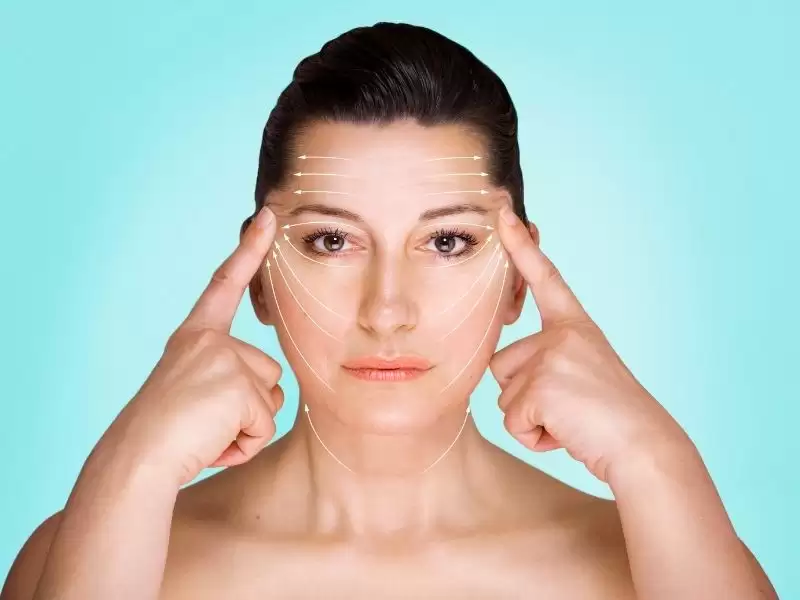
Liquid Facelift Ankara is a procedure that supports facial contours through a non-surgical facelift, facial fillers, and natural facial reju...