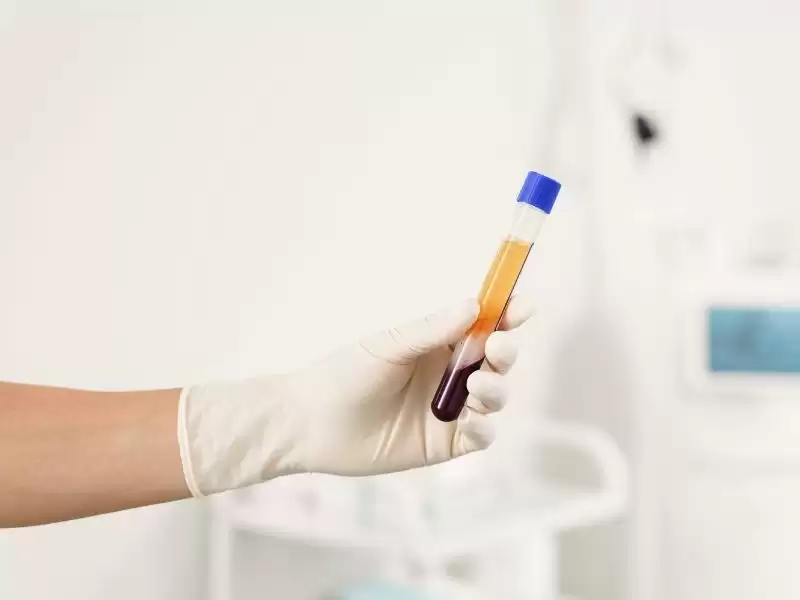
What Is PRP? How Is PRP Treatment Performed?
PRP treatment is a personalized procedure that supports tissue regeneration in skin renewal, PRP hair loss treatment, and skin rejuvenation....

Hair PRP is a non-surgical procedure performed to support hair follicles in achieving a healthier growth cycle. Hair PRP treatment is performed by injecting platelet-rich plasma obtained from the person’s own blood into the scalp. PRP hair treatment may be considered a method that supports hair quality and hair follicle vitality, especially when hair loss is identified at an early stage. When planning hair loss treatment, the cause of hair loss, hair density, hair strand thickness, and the person’s general health condition should be evaluated together.
Hair loss is a condition that can affect not only aesthetic appearance but also a person’s daily comfort and self-confidence. Therefore, the purpose of procedures for hair loss is not only to evaluate the existing hair loss but also to correctly determine the support needed by the hair follicles. At this point, the expression what is PRP is used to describe the tissue regeneration-supporting properties of platelet-rich plasma.
PRP applied to the scalp allows concentrated growth factors to be delivered to the area where the hair follicles are located. This effect may help hair strands develop a stronger structure, slow down the hair loss process, and support hair quality. When discussing what is Hair PRP, it refers to a natural hair support treatment prepared from the person’s own blood.
PRP for hair loss may be preferred particularly for people whose hair follicles have not been completely lost and who still have active follicles on the scalp. The treatment is not a substitute for hair transplantation, but it may be an important part of hair loss management in suitable individuals. Therefore, an evaluation before the procedure is important for establishing realistic expectations.
Hair loss may occur for different reasons. Genetic predisposition, hormonal changes, stress, nutritional deficiencies, seasonal shedding, certain diseases, and conditions affecting the scalp may play a role in the hair loss process. Hair loss PRP treatment is planned to support the hair follicles after these causes have been evaluated.
Male pattern hair loss usually presents with recession of the frontal hairline, thinning in the crown area, and reduced hair density. In this type of hair loss, planning supportive treatments before the hair follicles are completely lost may be more beneficial. PRP may be used during this process as a method that supports the nourishment of hair follicles and helps strengthen hair quality.
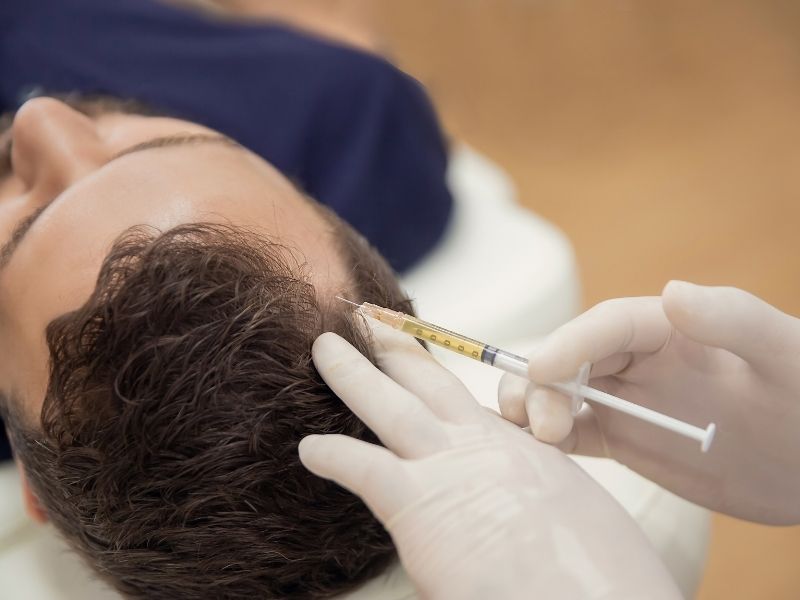
Hair loss in women, on the other hand, is often noticed as diffuse thinning, reduced hair volume, and thinning of the hair strands. The cause of hair loss in women may differ, and factors such as iron deficiency, thyroid problems, hormonal changes, or the postpartum period may be investigated. Therefore, the source of hair loss should be evaluated before a PRP plan is prepared.
People experiencing hair loss should consider both the treatment experience and personalized planning before the procedure. For those searching for Hair PRP Ankara, an accurate evaluation is one of the essential steps affecting the success of the treatment. The structure of the scalp, the degree of hair loss, and the person’s expectations should be considered simultaneously.
Ankara Hair PRP treatments are among the non-surgical options researched in the city for hair loss and hair-strengthening procedures. The important point in this process is not only performing the procedure but also determining the session intervals and follow-up process according to the individual. Since each person’s hair loss pattern is different, a standard approach may not always be sufficient.
During an evaluation for PRP hair treatment Ankara, whether the hair loss is active and the potential of the hair follicles to respond to the treatment are examined. The presence of active follicles on the scalp helps ensure that the expected support from the procedure is planned more realistically. Therefore, the treatment decision should be made after a detailed examination and hair analysis.
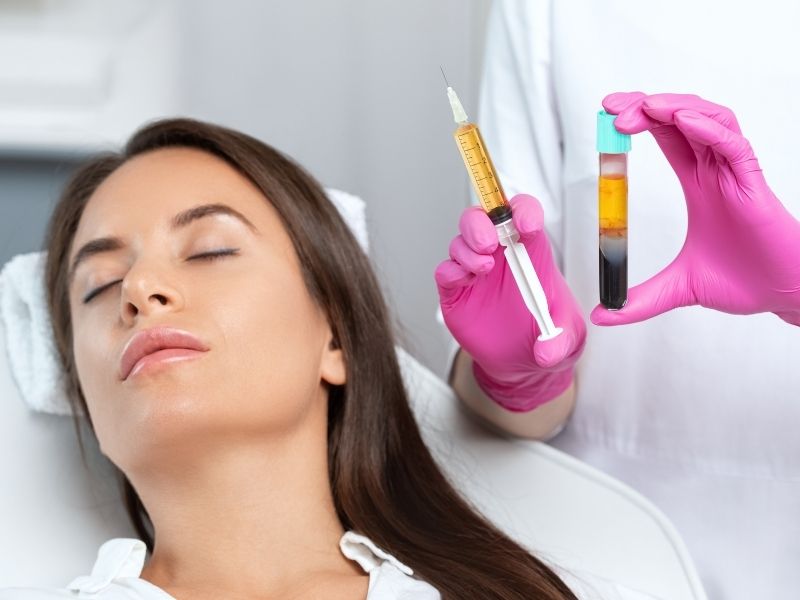
The question of how Hair PRP is performed is one of the main topics that people considering the treatment are curious about. First, a small amount of blood is taken from the person and separated using specialized devices. As a result of the separation process, platelet-rich plasma is obtained.
The obtained PRP is applied to areas where hair loss is noticeable using fine-tipped injections. The procedure is generally completed in a short time, and most people can return to their daily activities on the same day. Depending on the sensitivity of the scalp, mild stinging, burning, or tightness may be felt during the procedure. Since the material used in this procedure is obtained from the person’s own blood, no external filler or medication is administered. However, this does not mean that the procedure is suitable for everyone. Blood values, active infections, medications being used, and general health characteristics should be considered before the treatment.
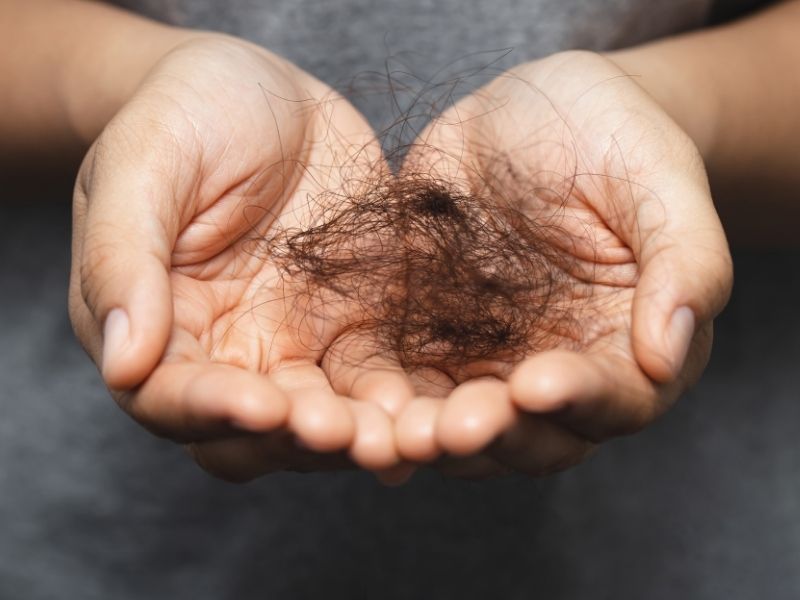
The subject of who Hair PRP is suitable for is closely related to the cause of hair loss and the current condition of the hair follicles. People who have started to experience thinning hair strands, periodic hair loss, reduced hair density, and who wish to support their hair follicles may be evaluated for PRP. The treatment may be a more suitable option in areas where the hair follicles have not been completely lost.
PRP may also be planned as part of supportive care after hair transplantation if the physician considers it appropriate. In this case, the aim is to support the healing process of the scalp and help existing hair follicles enter a healthier cycle. For people who have not undergone hair transplantation, it may also be evaluated alone or together with different treatments depending on the hair loss process.
For some people, the underlying cause should first be investigated. Anemia, thyroid diseases, vitamin deficiencies, intense stress, rapid weight loss, or hormonal changes may increase hair loss. In such cases, the PRP plan should be considered together with a general evaluation.
The number of Hair PRP sessions performed may vary from person to person. The degree of hair loss, the condition of the hair follicles, the person’s age, the structure of the scalp, and the response to treatment affect the session plan. Several sessions are generally planned at specific intervals during the initial period.
Session intervals are usually arranged according to the rate of hair loss and the intended outcome. While some people may require an intensive support program, protective and supportive treatments may be sufficient for others. Therefore, it is not appropriate to determine the number of sessions based only on general information. Regular follow-up is important for evaluating the effects of the treatment. Over time, a reduction in the rate of hair loss, stronger hair strands, and a more supported appearance in hair density may be noticed. Maintenance sessions may be planned at certain intervals when necessary.
The question of when Hair PRP takes effect is one of the processes most frequently asked about by people receiving the treatment. The effects of PRP are generally noticed gradually within the natural hair growth cycle rather than as an immediate change. Stimulating the hair follicles and strengthening the hair strands require time.
A change in the rate of hair loss may be noticed during the first few weeks, but more time may be needed for visible improvements in hair quality. Vitality in the hair strands, increased volume, and strengthening of thinning hair are related to the individual response. Therefore, evaluating the results immediately after the procedure may be misleading. Patience and regular follow-up are important in hair loss treatments. PRP should not be regarded as a procedure that promises definite results after a single session. Appropriate patient selection, a regular session plan, and lifestyle habits that support hair health may affect the success of the treatment.
Precautions after Hair PRP are important for ensuring that the process progresses effectively and comfortably. During the first hours after the treatment, mild sensitivity, redness, or a feeling of fullness may occur on the scalp. These effects are generally temporary and decrease within a short time.
After the procedure, treatments that may irritate the scalp should be avoided. The period recommended by the physician regarding very hot showers, intense sweating, hair dye, vigorous massage, and products containing chemicals should be followed. When the hair can be washed and which products should be used should be specified individually.
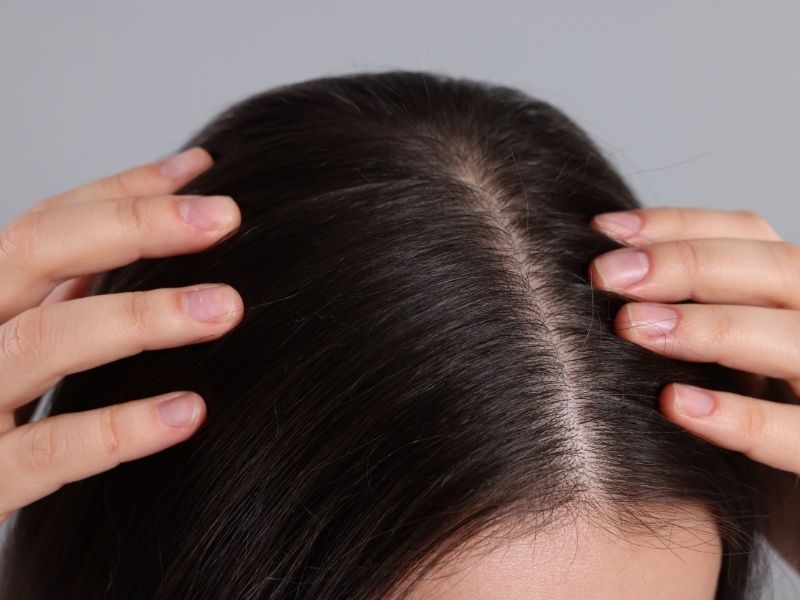
During the first few days, it is important to keep the scalp clean and avoid putting pressure on the treatment area. In addition, regularly attending the recommended follow-up sessions after the procedure makes it easier to evaluate the effects of PRP. If hair loss continues, additional examinations or supportive treatments may be considered.
Hair strengthening PRP is one of the methods preferred to support hair follicles and help hair strands appear healthier. PRP may contribute to hair quality by supporting the tissue surrounding the hair follicles. This approach may be more beneficial, especially for thinning noticed at an early stage.
During the hair follicle strengthening process, PRP may be planned alone or together with different supportive treatments. Depending on the needs of the scalp, treatments containing vitamins, minerals, and amino acids may also be considered. However, since the purpose and method of each treatment are different, the choice of procedure should be made through an individual evaluation. Hair mesotherapy is based on administering special ingredients that support hair follicles into the scalp. People researching Hair mesotherapy Ankara should know that PRP and mesotherapy are not the same procedure. While mesotherapy is performed using externally prepared ingredients, PRP is applied using plasma obtained from the person’s own blood.
A surgical procedure may not always be the first option for people experiencing hair loss. For people searching for non-surgical hair treatment Ankara, PRP, hair mesotherapy, medical support, and adjustments to lifestyle habits may be evaluated together. The aim here is to create the most appropriate plan according to the person’s type of hair loss.
During evaluations for hair loss treatment Ankara, the duration of hair loss, the rate of shedding, and the density of the scalp are considered. For people whose hair loss has recently started, treatments aimed at protecting the hair follicles may be prioritized. In advanced hair loss that has continued for a long time, expectations should be established more carefully. PRP is not a standalone solution that eliminates all causes of hair loss. However, in suitable individuals, it may be considered a treatment that supports hair quality, contributes to managing the hair loss process, and provides regenerative support for the scalp.
During the Prof. Dr. Tevfik Sözen Hair PRP evaluation, the cause of hair loss, the structure of the scalp, and the person’s expectations are considered together. Before the treatment, hair density, areas of hair loss, and the condition of the hair follicles are examined, and a personalized plan is created. This approach helps determine the potential support that can be obtained from the procedure more realistically.
An Ear, Nose, and Throat and facial aesthetics perspective may help evaluate the hairline together with facial proportions and the overall balance of appearance. Although hair loss may appear to be an issue limited only to the scalp, it can have a significant effect on facial expression and overall aesthetic perception.
The aim of Hair PRP planning is to support the hair follicles while preserving a natural appearance. Therefore, it is important to clarify expectations before the procedure, explain the session process, and create a follow-up plan. With regular follow-up, the hair loss process can be monitored, and supportive treatments can be planned when necessary.
Hair PRP is a non-surgical treatment that supports hair follicles, but it does not provide the same result for everyone. Age, genetic structure, duration of hair loss, hair follicle density, hormonal status, and general health characteristics may affect the outcome. Therefore, an individual evaluation should be performed before the procedure.
Realistic expectations are an important part of the PRP process. The aim is generally not to grow completely new hair, but rather to improve the quality of existing hair, support the hair strands, and help control the rate of hair loss. The effects of PRP may remain limited in areas where the hair follicles have been completely lost.
Seeking evaluation early may provide an advantage in managing hair loss. An assessment performed when the hair strands begin to thin and hair density decreases helps supportive treatments be planned at a more appropriate time. Therefore, PRP may be one of the options that should be evaluated without delay by people who want to protect their hair health.
Hair PRP does not aim to grow new hair from completely lost hair follicles. It may positively affect hair quality and the hair loss process by supporting active hair follicles.
Since small injections are administered to the scalp during PRP hair treatment, a mild stinging sensation or sensitivity may be felt. The procedure is generally brief, and returning to daily life is usually possible on the same day.
Hair loss may be controlled with PRP; however, if the cause of hair loss is genetic, hormonal, or metabolic, additional evaluation may be required. Therefore, hair loss treatment should be planned individually.
For people researching Hair PRP in Ankara, suitability is determined according to the viability of the hair follicles and the degree of hair loss. People experiencing early-stage hair thinning and reduced hair density may be evaluated for the procedure.
Hair loss in women may appear as widespread thinning and a reduction in hair volume. In suitable patients, PRP for hair loss may be planned as a non-surgical option that supports the hair follicles.
When male pattern hair loss is detected at an early stage, PRP may help strengthen the hair follicles. In advanced hair loss, expectations should be set correctly, and it should be evaluated together with different treatment options when necessary.
Precautions after Hair PRP include avoiding irritation of the scalp on the first day and not washing the hair until the period recommended by the physician has passed. The appropriate time for washing the hair should be specified individually after the procedure.
PRP treatment is a personalized procedure that supports tissue regeneration in skin renewal, PRP hair loss treatment, and skin rejuvenation....