
When Should You Return to Social Media After Rhinoplasty?
Returning to social media after rhinoplasty should be evaluated based on the rhinoplasty recovery process, swelling, psychological readiness...

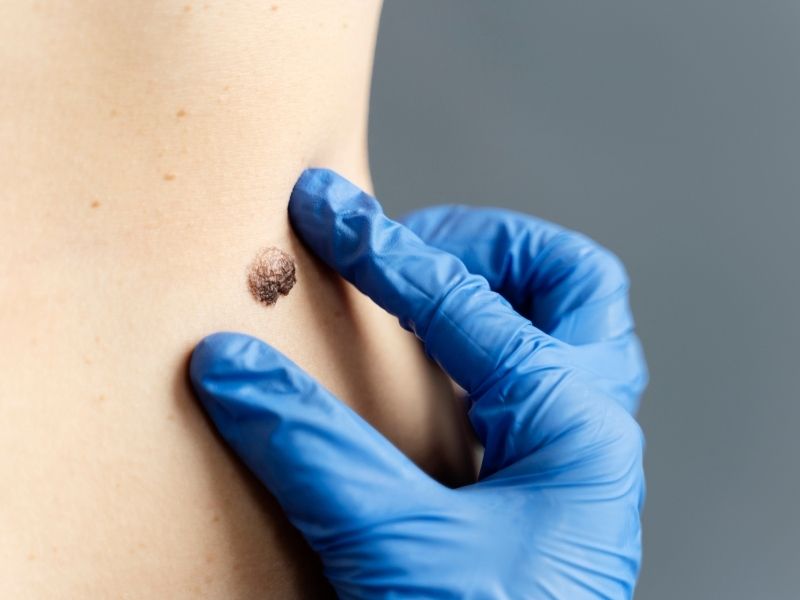
Moles (nevi) are pigmented growths on the skin that are congenital or develop later. They may need to be removed for aesthetic reasons or due to medical suspicion. With advancing techniques, many moles can now be removed in a clinical setting, in a short time and comfortably.
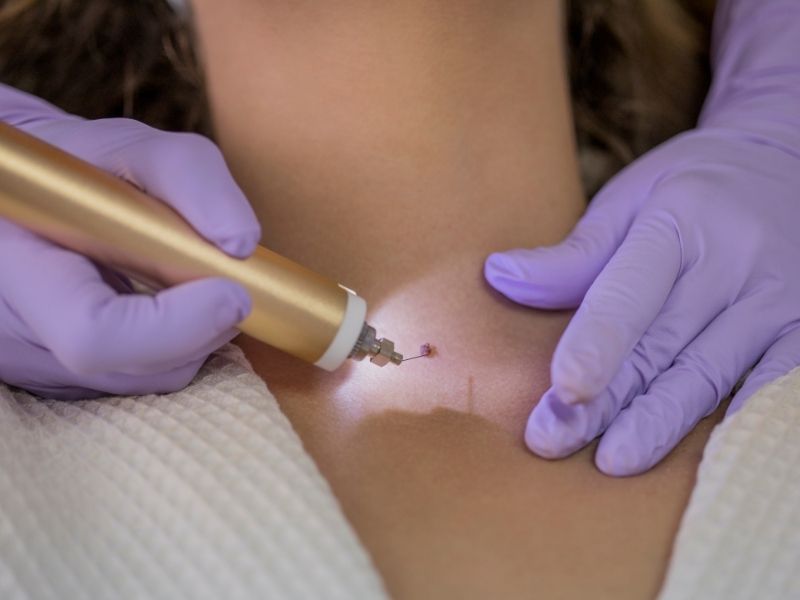
Note: Each mole has a different structure. The removal method also varies depending on the mole’s location, depth, and clinical evaluation. The patient’s individual situation is taken into account.
Duration: Usually 10–20 minutes
Setting: Sterile clinical conditions
Anesthesia: Performed with local anesthesia; no pain is felt
1. Excision (Surgical Method):
The mole is completely cut out along with the skin. Stitches are usually required.
Advantage: Since all tissue is removed, it can be sent for pathology.
A scar may remain, but it is usually thin and linear.
2. Shave Excision (Superficial Removal):
The mole is shaved off from the surface. No stitches are needed.
Advantage: Scarring is minimal.
There may be recurrence in deep moles.
3. Laser / Electrocautery / Plasma Energy (Suitable Cases):
It can be applied only in selected, superficial, and benign moles. Scarring is generally minimal.
The method of mole removal is determined by the doctor according to the type and location of the mole.
First Days:
With Stitched Removal:
Healing Process:
If Pathology Is Needed:
Mole removal procedures are minimally invasive applications today that take aesthetic concerns into account and can generally be performed in a clinical setting. They can be safely preferred both to improve your appearance and to eliminate possible risks.
1) Will there be a scar?
Depending on the type of procedure, the location of the mole, and the person’s skin type, a scar may remain, but it is generally not aesthetically disturbing. This risk is reduced with scar cream and sunscreen.
2) Is it a painful procedure?
No. After local anesthesia, no pain is felt. There may be mild soreness afterward.
3) Can my mole grow back?
In moles removed with a superficial method, it can rarely grow back. In surgical excision, this risk is very low.
4) Is examination necessary?
If there is a suspicious appearance, it is definitely sent for pathology. In benign moles removed for aesthetic purposes, pathological examination can also be performed depending on the patient’s request.

Returning to social media after rhinoplasty should be evaluated based on the rhinoplasty recovery process, swelling, psychological readiness...
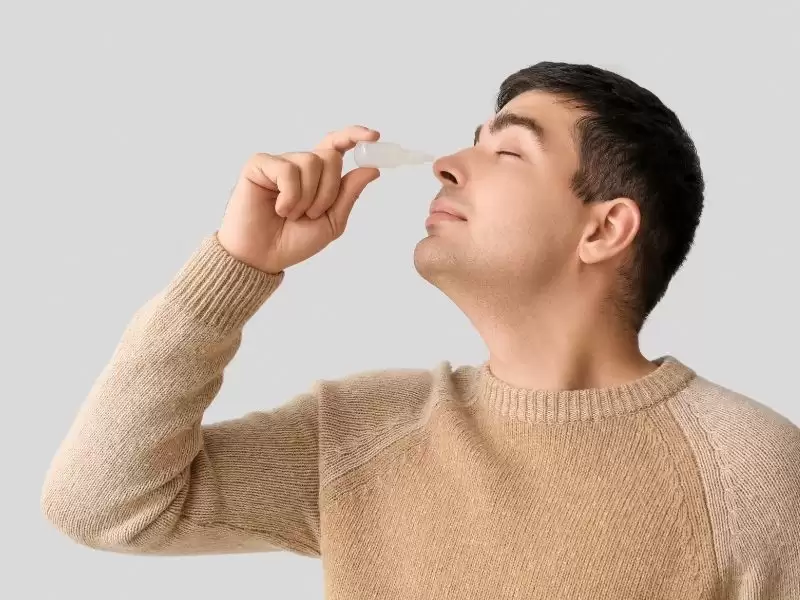
Nasal deviation, septum deviation, and breathing problems should be evaluated together with nasal congestion, snoring, and treatment options...

Skin health after rhinoplasty is protected through proper cleansing during the post-rhinoplasty care process, including oiliness, blackheads...