Post-Rhinoplasty Recovery Process: The First Week, the First Month, and the First Year
What is the recovery process like after rhinoplasty? What should you expect during the first week, the first month, and the first year after
Rhinoplasty requires planning that goes beyond changing the external appearance of the nose; facial balance, nasal anatomy, and respiratory function are evaluated together. During the rhinoplasty process, the aim is to preserve nasal functions while creating an appearance that is harmonious with the person's facial features. Therefore, the concept of natural rhinoplasty and a personalized nose reshaping plan form the basis of the surgical approach.
This surgery is a procedure in which changes can be made to the nasal bone, cartilage structures, nasal tip, nasal bridge, and, when necessary, the septum. The scope of the procedure is determined according to the person's existing anatomy, and the same plan is not used for everyone.
Evaluating the airway inside the nose is as important as the aesthetic appearance. Therefore, before rhinoplasty surgery, the septum, nasal valve, and breathing function are examined together with the external structure to plan a nasal structure that is balanced with the face.
The surgical plan may be prepared to reduce a hump on the nasal bridge, adjust the width, reshape the nasal tip, correct asymmetries, or address deformities caused by trauma. In some people, appearance and breathing problems are addressed within the same evaluation.
Therefore, nose surgery should not be planned solely according to aesthetic expectations. The relationship of the nose with other parts of the face, airway openness, and existing deviations are evaluated together; in suitable patients, changes in appearance and corrections for certain structural breathing problems can be performed during the same surgery.
People who are dissatisfied with the appearance of their nose, have deformities caused by trauma, or experience a breathing problem related to the nasal structure may be evaluated for surgery. Suitability is determined by considering the person's health status, anatomy, and expectations together.
Before surgery, medications being used, previous operations, bleeding tendency, breathing complaints, and conditions that may affect healing should be evaluated. It is also important to discuss potential risks such as bleeding, infection, asymmetry, changes in breathing, or the need for additional surgery on an individual basis.
The scope of the surgery may vary according to the needs of the nose. In addition to first-time operations, procedures focusing only on the nasal tip, approaches that also target respiratory function, and corrective surgeries for previously operated noses may be performed.
If drooping, width, or shape of the nasal tip is the primary concern, nasal tip surgery may be planned. When a persistent shape or functional problem remains after a previous operation, revision rhinoplasty may be considered; male rhinoplasty, which is performed by taking facial proportions and anatomical characteristics into account, is also planned individually.
Because the nose is located at the center of the face, changes made to it can affect the visual balance between the profile, lips, chin, and forehead. Therefore, rather than focusing only on nasal measurements, the face is evaluated as a whole.
During planning, nasal length, nasal tip position, bridge line, the transition between the forehead and nose, and chin projection may be evaluated together. The aim is not to apply a specific nose shape to everyone, but to create proportions that are harmonious with the person's facial features.
A natural appearance does not mean creating the same nose shape for everyone. The main aim is to establish a balanced relationship between the nasal bridge, nasal tip, and nostrils while preserving the person's facial character.
During planning, skin thickness, cartilage support, bone structure, and facial profile are taken into consideration. A very small or excessively upturned nose may not be suitable for every face; an approach that preserves the person's own proportions aims to provide a more balanced appearance.
During the examination, the external nasal structure is evaluated from different angles while the internal nasal airway is also assessed. Photo analysis, evaluation of facial proportions, and a detailed discussion of the features the person would like to change help in creating the surgical plan.
Previous trauma, prior surgeries, allergic complaints, nasal congestion, and medications being used are taken into consideration. Especially in people with breathing complaints, evaluating the septum and nasal valve is important for preparing an aesthetic plan that is compatible with functional needs.
In the open technique, a small incision is made in the columella region between the nostrils to provide a wider view of the nasal framework. In the closed technique, incisions are made inside the nose, and the necessary structural changes are accessed through this route.
Choosing the open or closed technique alone does not indicate that the surgical outcome will be more successful. The extent of the changes required in the nose, whether previous surgery has been performed, the procedures to be carried out on the nasal tip, and the surgical plan determine which approach is more suitable.
In some noses, additional cartilage may be required to support the existing cartilage structure, reshape the nasal tip, or preserve the airway. When appropriate, cartilage from the septum inside the nose may be used.
When there is not enough cartilage in the septum or more extensive reconstruction is required, ear or rib cartilage may be considered. The source of the cartilage and the area where it will be used are determined according to the existing anatomy and the extent of the correction to be performed.
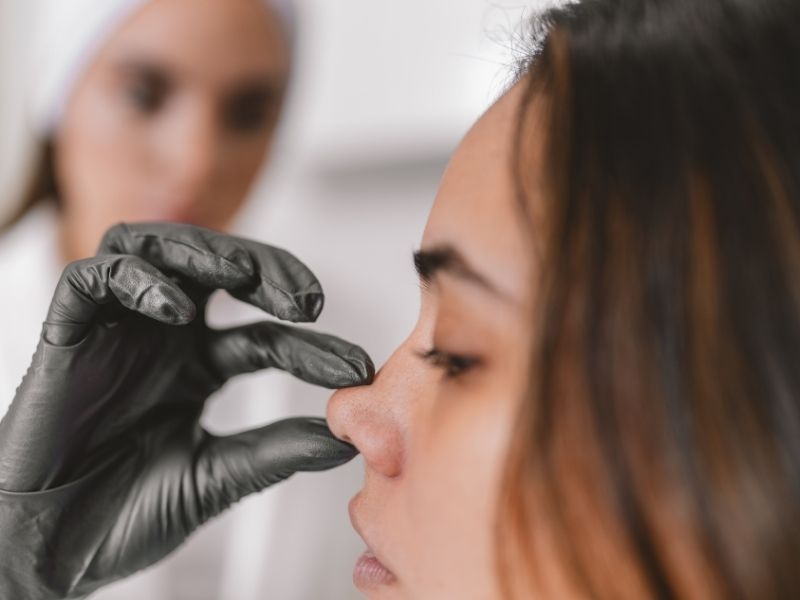
If nasal obstruction is related to a deviated septum, narrowing of the nasal valve, or abnormalities in the external nasal structure, functional corrections may also be performed during aesthetic adjustments. This approach may be planned within the scope of functional rhinoplasty.
However, not every breathing problem is caused by a structural condition requiring surgery. Allergies, mucosal swelling, and different internal nasal problems can also cause obstruction, so the cause should first be identified and then aesthetic and functional goals should be evaluated within the same plan.
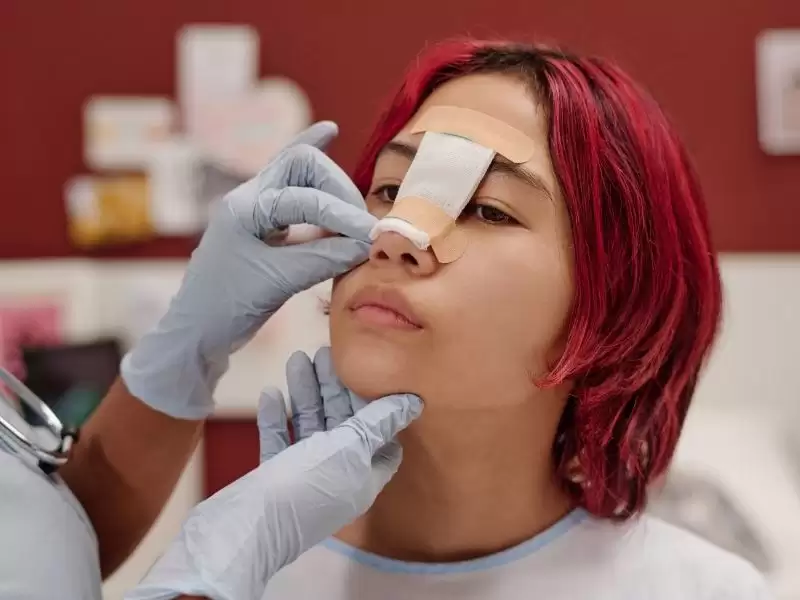
During the first few days, swelling and tenderness in the nose and bruising around the eyes may occur. After surgery, a protective splint may be placed over the nose, and additional materials may be used to support the inside of the nose when necessary.
The return to daily life varies from person to person. During the first few weeks, it is important to protect the nose from impacts, follow the recommended care instructions, and limit strenuous physical activities; after rhinoplasty surgery, complete tissue healing takes longer than the early recovery visible from the outside.
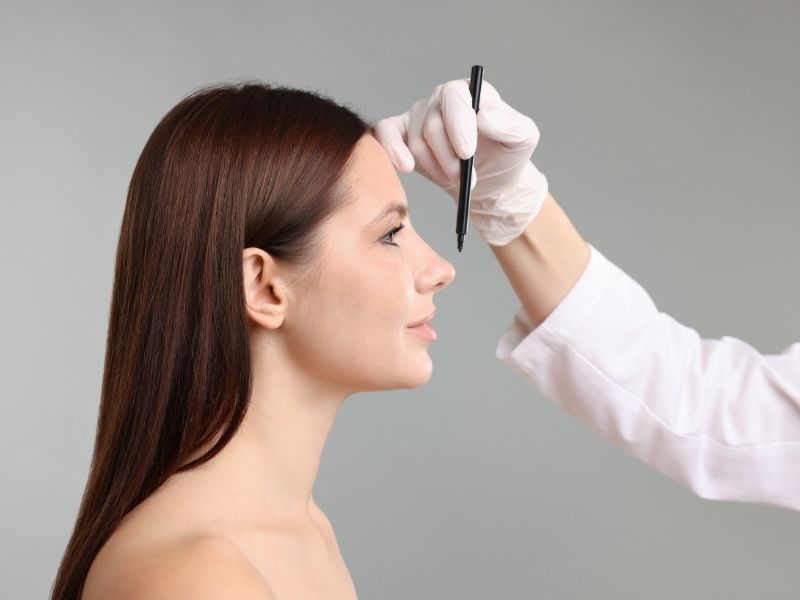
A significant portion of the swelling decreases during the first few weeks, but more subtle swelling in the nasal tissues may continue for several months. Swelling at the nasal tip, in particular, may remain noticeable longer than swelling on the nasal bridge.
The rate of healing varies depending on skin thickness, the surgical procedures performed, and the person's tissue characteristics. Therefore, the appearance seen in the early period should not be considered the final result; it should be understood that time is required for the remaining swelling to resolve and the contours to become more defined.
The main changes in the nose can be seen during the early period after surgery, but it takes time for the details to emerge. As the swelling decreases, the nasal bridge, nasal tip, and transition areas become more defined.
The final appearance develops gradually over several months, and the evaluation period may extend to approximately one year. In people with thick nasal skin or those who have undergone extensive surgery, the process may take longer, so evaluating the result based on small details during the early period may be misleading.
Changes in the shape of the nose over time during healing are an expected part of the process. Due to the reduction of swelling, softening of the tissues, and adaptation of the nasal tip to its new position, the appearance during the first few weeks may not be the same as the appearance several months later.
In the long term, aging, skin characteristics, and natural changes in the tissues may also affect the nose. However, the main structural changes created by surgery are expected to be maintained for a long time, and temporary asymmetries seen during the early period should not be considered an indication of the final result.
If there is a deviated septum inside the nose and this condition affects breathing, septal surgery may be performed during the same session as aesthetic adjustments. In this way, the external appearance and the airway inside the nose can be addressed within the same plan.
The scope of the procedures to be performed together is determined according to the examination findings. Cartilage obtained while correcting the septum may be used in some people to support the nasal framework; in this way, aesthetic and functional goals are planned by evaluating the nasal anatomy as a whole.
For surgery, it is important not only to consider chronological age but also whether nasal and facial development has largely been completed. In younger people, in addition to physical development, realistic expectations and whether the decision to undergo surgery is based on the person's own wishes are also evaluated.
There is no definite upper age limit; however, in older individuals, general health status, medications being used, and healing capacity are evaluated in greater detail. When searching for rhinoplasty in Ankara, it is also important to make an individualized plan based on an ear, nose and throat and facial aesthetics evaluation rather than making a decision based only on age or appearance.
What is the recovery process like after rhinoplasty? What should you expect during the first week, the first month, and the first year after

Nasal tip surgery (Tip Plasty) is a surgical procedure that aims to make the nasal tip appear more balanced and aesthetic by reshaping the c
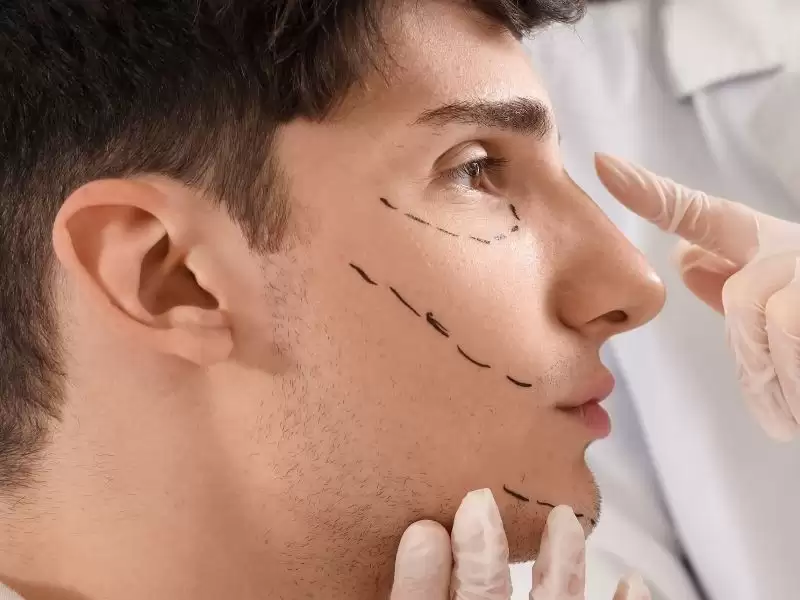
Rhinoplasty planning in men is carried out according to facial proportions, natural appearance, and breathing function during the male nose

Revision rhinoplasty is performed to evaluate and correct shape irregularities, asymmetry, and breathing problems that may occur after a pre
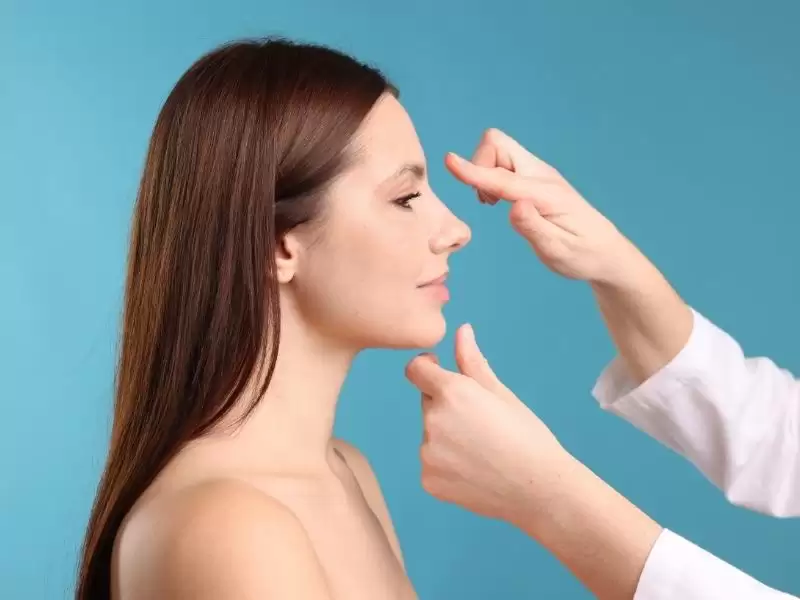
Rhinoplasty allows for personalized surgical planning that considers both the shape of the nose and breathing function, in harmony with the
Septorhinoplasty is a surgical procedure that corrects both nasal aesthetics and breathing problems at the same time; it improves both app