
What Is Mentoplasty (Chin Aesthetics)?
Mentoplasty is a surgical procedure intended to change the shape, size, or position of the chin tip. It may be preferred for both aesthetic

Facial aging, genetic characteristics, skin structure, and changes in soft tissues over time collectively affect appearance. Facial aesthetics is an approach that aims to evaluate these changes within the face as a whole rather than focusing on a single area. When planning facial aesthetic surgery, the individual's anatomy, expectations, and functional characteristics are considered together. In the right facial contouring approach, the goal is not to transform the face into a different appearance, but to make the existing proportions more balanced.
Aesthetic planning is based on evaluating the relationship between the facial bone structure, skin quality, fat tissue, muscles, and soft tissues together. In addition to signs of aging, congenital differences in proportions, asymmetry, or certain areas appearing more prominent in relation to the individual's face may also be considered during the evaluation.
The procedure to be performed is not the same for everyone. In some individuals, adjusting only a specific area may be sufficient, while in others, a more comprehensive plan may be required to maintain balance between different areas. This approach supports avoiding unnecessary procedures and keeping the changes compatible with the individual's existing facial characteristics.
The forehead, eyebrows, and eye area are evaluated in the upper face; the cheeks and cheekbones in the midface; and the lips, jawline, and chin in the lower face. Since the neck area is considered a continuation of the face, it also has an important role in lower facial planning.
While the position of the eyebrows and the structure of the forehead are examined in the upper face, brow lift may be included in the evaluation for certain individuals. In the eye area, eyelid surgery requires changes in the skin and fat tissue to be considered together with the natural shape of the eyes and the eyebrow position.
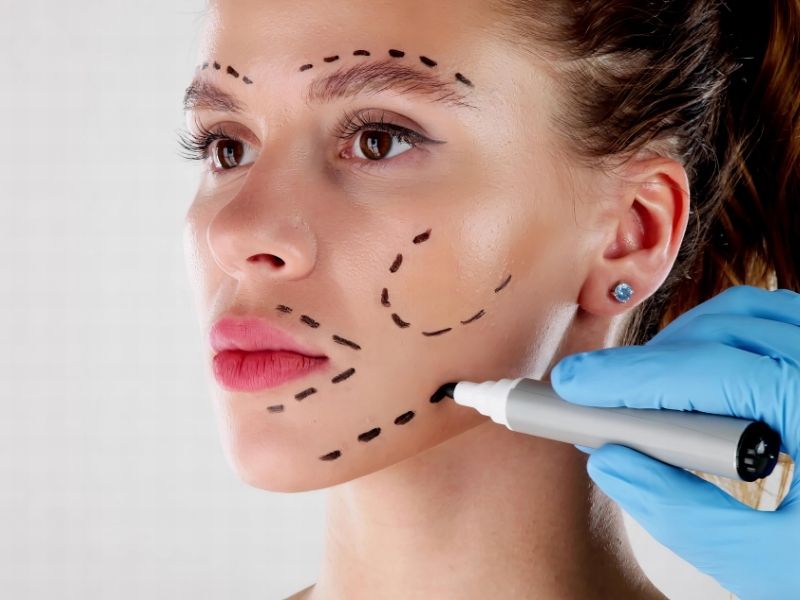
For individuals considering an aesthetic procedure, general health status, conditions that may affect healing, smoking, and whether expectations are realistic are important. Suitability for surgery should not be determined solely by appearance; the individual's medical history and the scope of the planned procedure should also be evaluated together.
Being able to clearly define the change that causes concern also facilitates planning. In healthy individuals, realistic expectations and a proper understanding of the limitations of the planned method are among the fundamental aspects of candidate evaluation. If there are uncontrolled chronic diseases, conditions that adversely affect healing, or unrealistic expectations, the procedure may be postponed or a different approach may be selected.
When tissue laxity is prominent in the lower and midface, repositioning sagging tissues with a facelift may be considered. If laxity in the jawline and neck is more prominent, a neck lift may be part of a plan aimed at creating a more balanced transition between the face and neck.
When the volume, borders, or relationship of the lips with surrounding tissues is evaluated, lip aesthetics may be planned using surgical or non-surgical methods. The type of procedure is determined according to the individual's anatomical needs and the degree of expected change.
Two people in the same age group may have different patterns of aging and facial anatomy. While skin laxity may be prominent in one person, volume loss, eyebrow position, jawline, or bone support may be more significant in another.
Therefore, facial rejuvenation should not be considered solely as achieving tighter skin. The plan should be based on which anatomical layers and areas show more prominent signs of aging.

In facial evaluation, the profile view is as important as the relationship between the upper, middle, and lower face. The relative positions of the nose, lips, and chin can determine how a change made to a single area may affect the overall perception of the face.
Therefore, focusing only on the area causing concern may not always be sufficient. Particularly when planning chin aesthetics, the forward projection of the chin, lower facial height, jawline, and profile balance should be evaluated together.
A natural appearance does not mean eliminating all wrinkles or tightening facial tissues as much as possible. The goal is to address changes that cause concern in a balanced way while preserving the individual's facial expressions, characteristic features, and age-appropriate appearance.
In surgical technique, it is important to reposition tissues in the correct direction and to an appropriate degree. Excessive volume addition, excessive tension, or disruption of the relationship between neighboring facial areas may negatively affect a natural appearance. Modern surgical planning takes into account not only the skin but also the condition of deeper anatomical layers.
In suitable individuals, different facial aesthetic surgeries may be combined within the same surgical plan. Procedures involving the upper face and eye area or interventions involving the lower face and neck may be considered during the same session when the anatomical needs are related.
However, as the number of procedures increases, the total surgery duration, anesthesia plan, and recovery burden may also change. The suitability of performing multiple procedures during the same session should be determined according to general health status, surgical scope, and safety assessment.
Before surgery, existing medical conditions, medications used, previous operations, smoking, and previous aesthetic procedures are evaluated in detail. Examination and photography of the face from different angles allow symmetry and proportions to be assessed more systematically.
For individuals seeking evaluation in Ankara, what matters as much as the phrase facial aesthetics Ankara is that the individual's facial anatomy is evaluated in detail during the examination and the plan is created accordingly. Particularly in the fields of ear, nose and throat and facial aesthetics, the relationship between the nose, profile, jawline, and other areas of the face can be considered together.
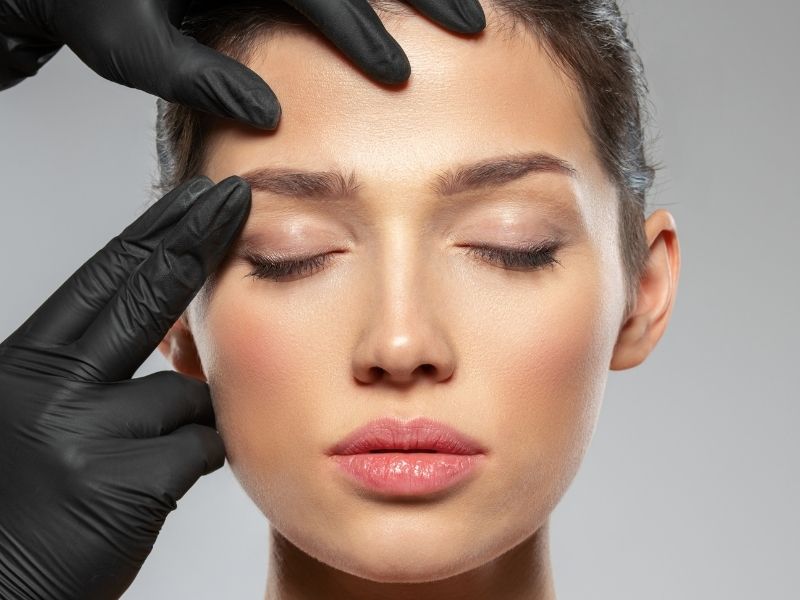
Recovery time varies depending on the type and scope of the procedure performed. After surgical procedures, swelling, bruising, tightness, or temporary changes in sensation may occur, and these findings generally decrease as the tissues heal.
During the first days, it is important to keep the head in an appropriate position, protect the incision areas, and follow the physician's recommendations regarding activity. Possible complications such as bleeding, infection, delayed wound healing, or prolonged changes in sensation may vary depending on the surgery performed. Recovery to daily life may be shorter after non-surgical procedures, although temporary swelling, redness, or sensitivity may occur.
The main changes may be noticeable in the early period after surgery, but the presence of swelling makes it difficult to evaluate the final appearance immediately. Softening of the facial tissues, reduction of swelling, and maturation of incision scars continue over weeks and months.
Therefore, asymmetry or tightness observed during the first days should not be interpreted as the permanent result. Particularly after extensive surgery, it takes time for the tissues to adapt to their new position, and follow-up examinations help monitor these changes.
Chronological age alone does not determine suitability for aesthetic surgery. General health status, skin and tissue characteristics, healing capacity, medications used, and the individual's goals may be more determining factors than age during evaluation. Advanced age alone is not considered a contraindication to surgery, and candidacy is assessed according to the individual's overall health characteristics.
For younger individuals, it is important that facial development has been completed and that the desire for the procedure is persistent. In every age group, the necessity of the planned procedure, the degree of change it may provide, and the surgical risks should be considered as part of an individualized evaluation.
Surgical methods can provide more comprehensive changes when there is significant laxity of the skin and deeper tissues, tissue displacement, or structural proportion problems. Non-surgical methods focus on specific concerns such as volume support, expression lines, or limited skin laxity and generally require a shorter recovery period.
The two approaches are not direct alternatives to one another. The appropriate method should be selected according to the anatomical problem to be corrected, the extent of the expected change, expectations regarding the longevity of the result, and the amount of recovery time the individual can allocate to the surgical process. While the effects of non-surgical methods are often more limited or temporary, surgical results may be maintained for a longer period; however, the aging process continues after both approaches.
Mentoplasty is a surgical procedure intended to change the shape, size, or position of the chin tip. It may be preferred for both aesthetic

In facial aesthetics, the chin tip has a very important role in the perception of the nose, lips, and neck. If the chin tip is recessed, the

In cases where the chin tip is too far back or too far forward, sufficient correction may not be achieved with implants. In such cases, the

Excess in the double chin area may cause a person to look heavier, older, or more tired than they are. Moreover, this condition is not alway

Treatment of lower jaw retrusion is a personalized process planned according to jaw closure, facial profile, snoring, and its relationship w
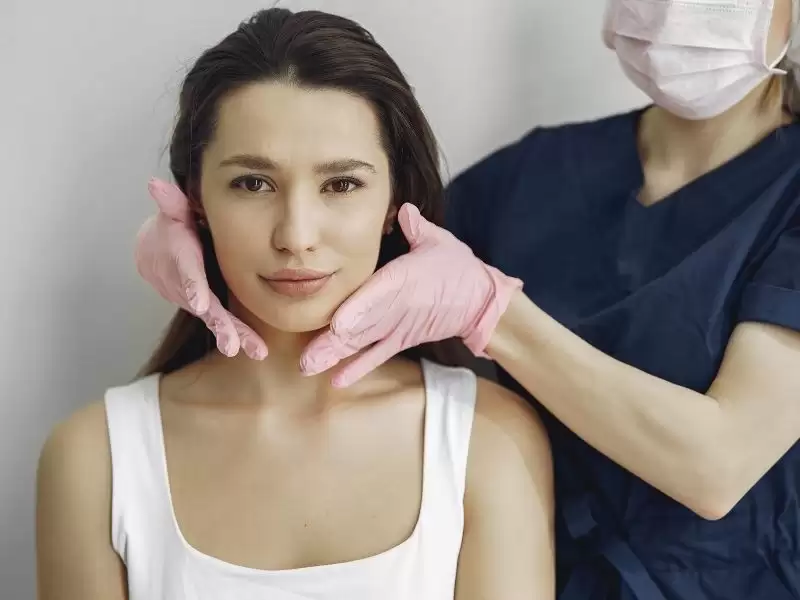
Deep plane facelift is an aesthetic surgical procedure that aims to correct sagging in the face and neck by repositioning the deeper tissues
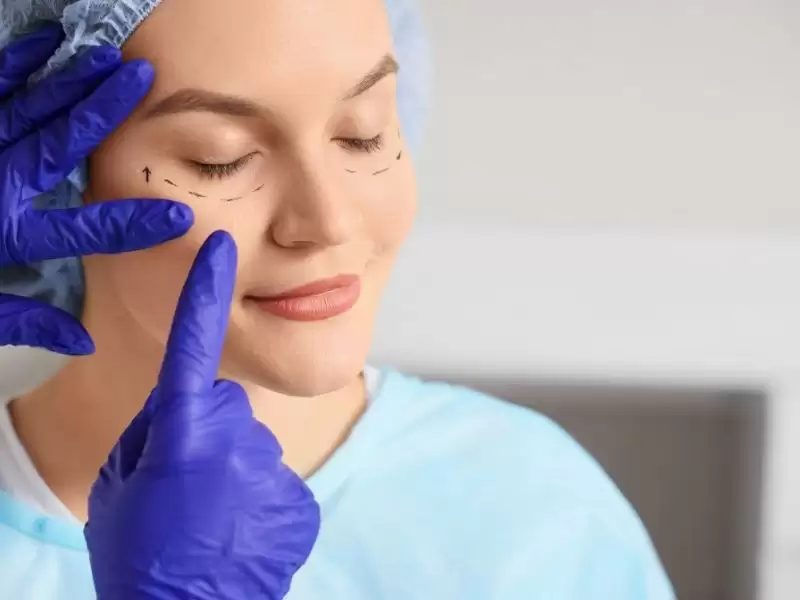
Facelift surgery (rhytidectomy) is an aesthetic surgical procedure that provides a younger, firmer, and natural appearance by eliminating sa
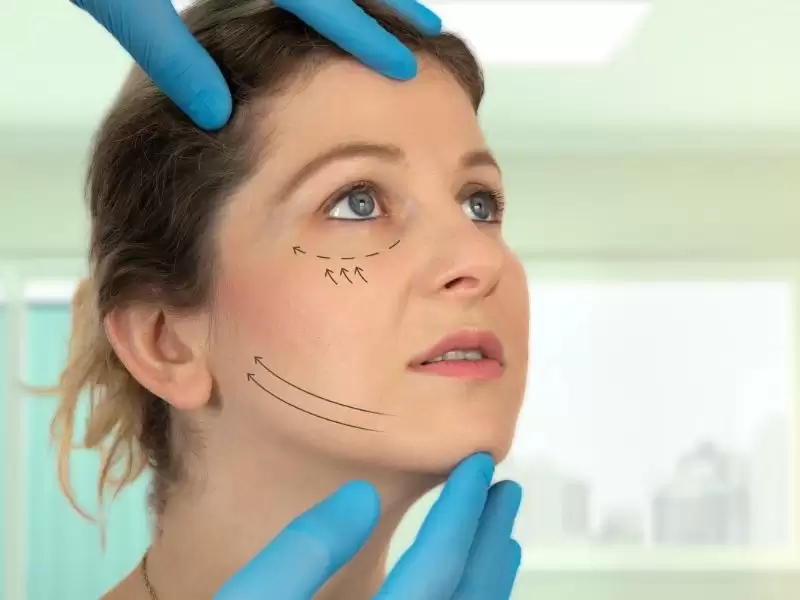
A temporal facelift is a surgical procedure that eliminates sagging in the temple and brow area, giving the upper part of the face a youthfu
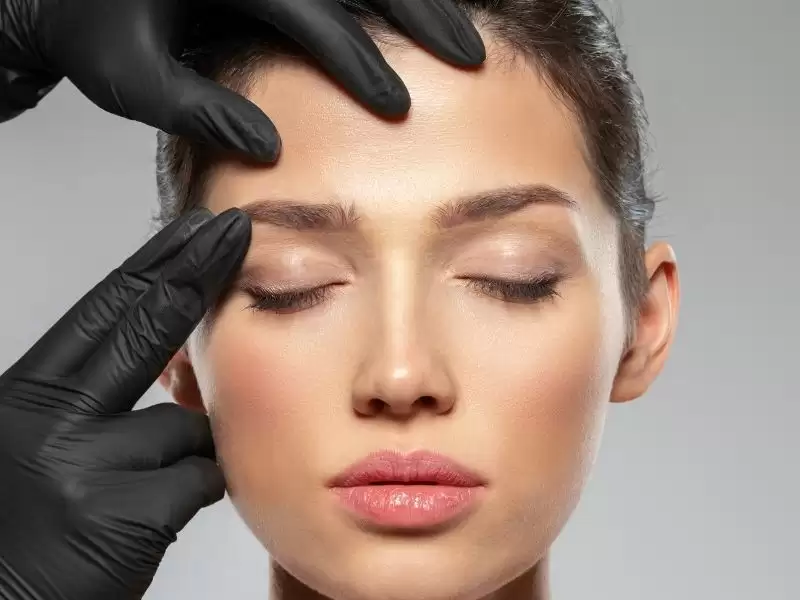
Brow and forehead lift procedures support natural facial aesthetic planning for drooping eyebrows, forehead lines, and a tired facial appear

Eyelid surgery, medically known as blepharoplasty, is a surgical intervention that corrects aesthetic and functional problems such as saggin

Bichectomy is an aesthetic surgical procedure that aims to make facial features more balanced by improving cheek aesthetics, facial contour,