Facelift Surgery
Facelift surgery (rhytidectomy) is an aesthetic surgical procedure that provides a younger, firmer, and natural appearance by eliminating sa...
Septorhinoplasty is a surgical procedure performed to straighten the nasal septum (the bone and cartilage wall inside the nose) and correct aesthetic deformities of the nose. It is used to address both cosmetic and functional problems. This operation is an ideal solution for people who have breathing difficulties as well as aesthetic concerns.
The aesthetic goals of septorhinoplasty include improving the shape of the nose, making it more harmonious with the face, and enhancing self-confidence. The nasal tip, nasal bridge, and the shape of the nostrils can be refined with this surgery.
Functionally, septorhinoplasty is performed to relieve nasal blockage and breathing difficulties. Septal deviation, meaning a crooked septum, is corrected during this surgery, helping open the airway and making breathing easier.
The best candidates for septorhinoplasty are individuals with aesthetic and/or functional nasal problems who are in good general health. It is also recommended for people aged 18 and older, when the nose has completed its development.
People with serious health issues or those who are not psychologically ready for surgery are not suitable candidates for septorhinoplasty.

One of the most important steps before septorhinoplasty is choosing the right surgeon. It is best to select a surgeon with strong experience in the field and a track record of successful outcomes.
A comprehensive examination is performed before surgery, and the nasal structure is analyzed in detail. During this process, the patient is informed about their expectations and how the surgery will be performed.
Before surgery, blood-thinning medications and herbal supplements should not be used. Smoking cessation is strongly recommended before and after surgery, because smoking can negatively affect the healing process.
Septorhinoplasty typically takes 1 to 3 hours. The procedure is performed under general anesthesia. The surgeon carries out the operation through incisions made inside the nose or via small external incisions, depending on the case.
Either an open or closed technique may be used. The open technique includes a small incision on the nose and provides a wider view for the surgeon. The closed technique is performed through incisions inside the nose and leaves no external scar.
General anesthesia allows the patient to sleep throughout the operation and feel no pain. In some cases, local anesthesia with sedation may also be used.
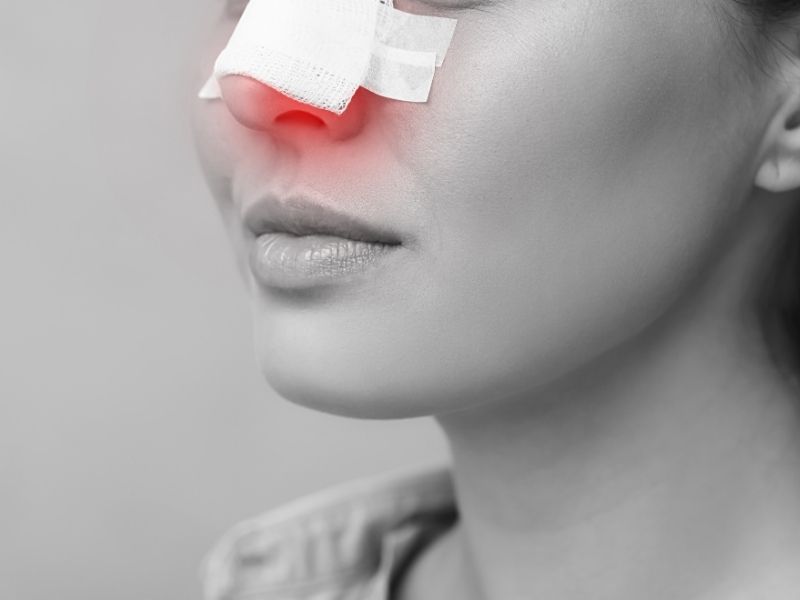
As with any surgery, septorhinoplasty involves certain risks. These may include infection, bleeding, and reactions to anesthesia.
After septorhinoplasty, complications such as nasal asymmetry, smell disturbances, or persistent nasal obstruction may occur. In such cases, revision surgery may be required.
In the first days after surgery, nasal splints and/or tampons may be used. Swelling and bruising are common and usually decrease within a few weeks.
Strenuous activities should be avoided during the recovery period. The nose should be protected from impact, and all aftercare instructions provided by the doctor should be followed carefully.
Full recovery after septorhinoplasty generally takes between 6 months and 1 year. During this time, the nose gradually settles into its final shape.
Aesthetically, septorhinoplasty can create a more symmetrical nose that is better balanced with the face, which may also improve self-confidence.
Functionally, relieving nasal obstruction and improving breathing are key benefits of septorhinoplasty. This can significantly enhance quality of life.
Septorhinoplasty is performed to address both aesthetic and functional problems, whereas rhinoplasty is often performed mainly for cosmetic reasons.
In septorhinoplasty, the septum is corrected, while rhinoplasty focuses primarily on reshaping the external nose.
During the first week after surgery, nasal dressings and tampons may be used. In this period, the nose should be cleaned carefully and the doctor’s instructions should be followed.
Long-term, the nose should be protected from trauma and strenuous activities should be avoided as advised. Sun protection is also important.
Regular follow-up visits are important for monitoring healing and preventing or addressing potential complications.
1) Why Should I Have Septorhinoplasty?
Septorhinoplasty is an ideal surgery for resolving nasal problems both aesthetically and functionally. It relieves breathing difficulties and improves the shape of the nose aesthetically.
3) How Long Does the Surgery Take?
Septorhinoplasty typically takes between 1 and 3 hours. The duration may vary depending on the complexity of the procedures required.
4) What Is the Recovery Time?
Recovery generally takes between 6 months and 1 year. Swelling and bruising decrease within the first few weeks, but it can take up to a year for the nose to settle into its final shape.
5) Will There Be a Scar After Surgery?
With the closed technique, there is no visible external scar. In open surgery, the small incision under the nose usually fades over time and becomes less noticeable.
6) Who Is Not a Candidate for Septorhinoplasty?
Septorhinoplasty is not recommended for people with serious health conditions who are not suitable for surgery, or for those who are not psychologically ready for the procedure.
7) When Can I Return to Work After Surgery?
Rest is important during the first week after surgery. Most patients can return to work within 1–2 weeks, but strenuous physical activities should be avoided.
Facelift surgery (rhytidectomy) is an aesthetic surgical procedure that provides a younger, firmer, and natural appearance by eliminating sa...

Nasal tip surgery (Tip Plasty) is a surgical procedure that aims to make the nasal tip appear more balanced and aesthetic by reshaping the c...
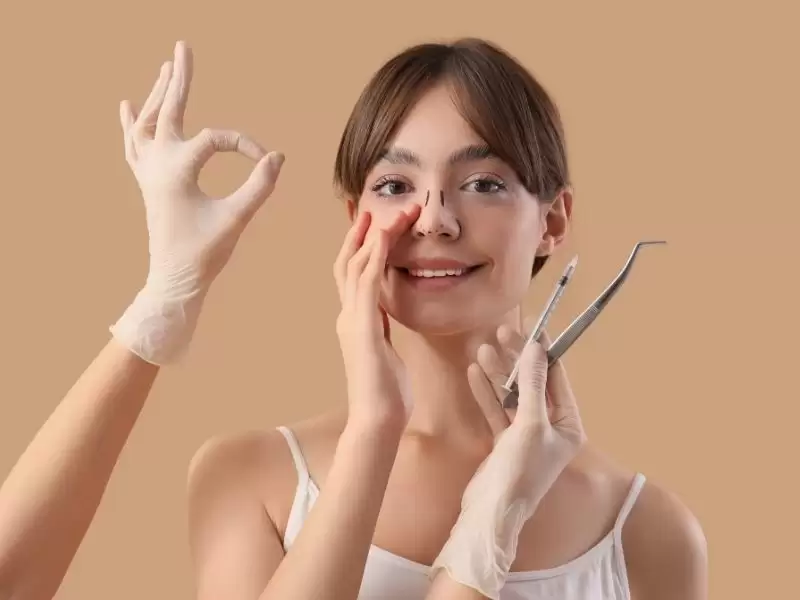
Rhinoplasty is a surgical procedure that reshapes the nose and improves breathing. It corrects aesthetic and functional issues and, with mod...