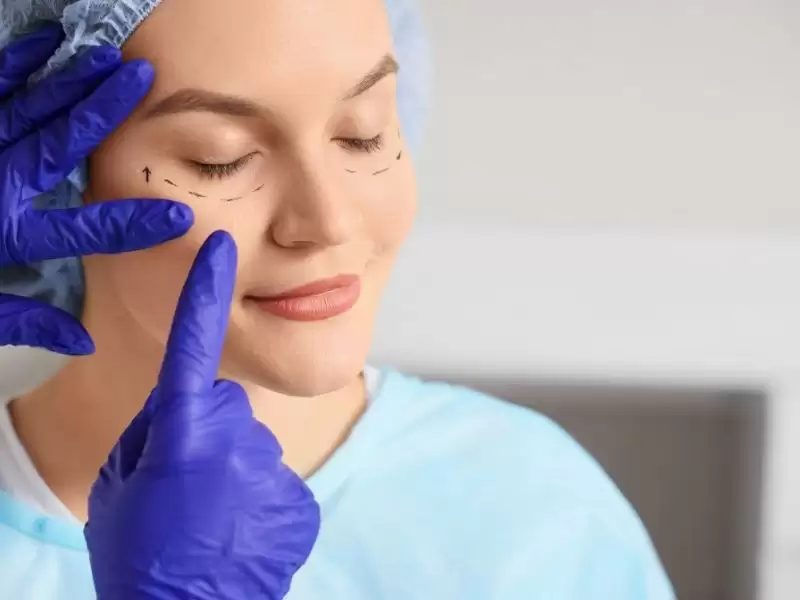
Facelift Surgery
Facelift surgery (rhytidectomy) is an aesthetic surgical procedure that provides a younger, firmer, and natural appearance by eliminating sa...
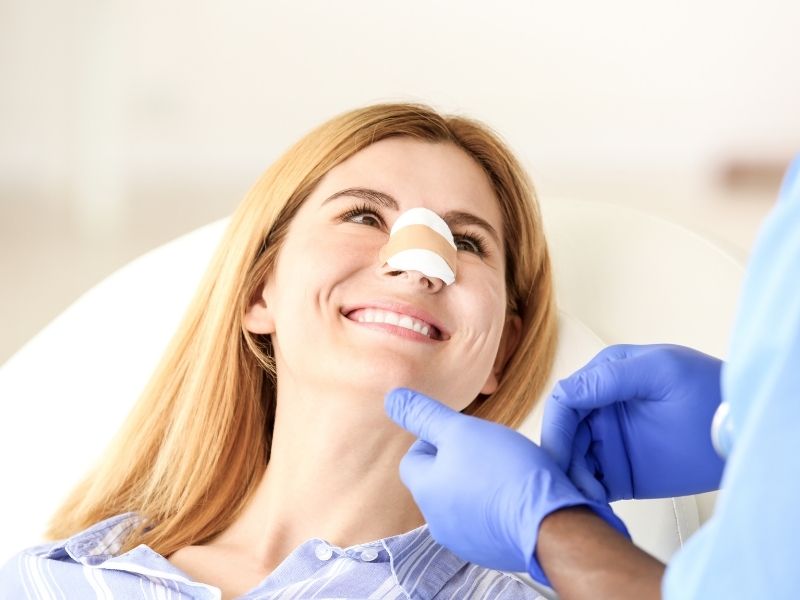
Rhinoplasty is a surgical procedure that is performed to change the shape and/or the function of the nose. It may be done not only for aesthetic reasons, but also to correct breathing problems.
Nose surgery is commonly preferred to improve the overall appearance of the nose, create better harmony with the face, and increase a person’s self-confidence. It can also play an important role in correcting septal deviation, congenital abnormalities, or post-traumatic deformities.
Rhinoplasty is generally performed for two main reasons:
Aesthetic Rhinoplasty: Focuses on changing the nose’s shape, size, or angles to achieve a more pleasing appearance.
Functional Rhinoplasty: Performed to improve breathing or correct structural problems inside the nose.
In some cases, both goals are addressed together through a combined rhinoplasty approach.
Rhinoplasty can be performed using either a closed or open technique, depending on the surgeon’s preference and the patient’s needs.
Closed Rhinoplasty: Incisions are made inside the nose, so there is no visible external scar.
Open Rhinoplasty: A small incision is made on the columella (the tissue between the nostrils).
The choice between open and closed rhinoplasty is determined by the surgeon based on the patient’s anatomy and the planned correction.
Both techniques allow the surgeon to modify the nasal structure to achieve aesthetic and functional improvements.
Rhinoplasty is a surgical procedure performed for both aesthetic and functional reasons. Some people choose it to improve the appearance of their nose, while others seek functional correction due to breathing difficulties.
In certain cases, combined rhinoplasty can address both aesthetic and functional concerns at the same time. For example, a patient with a prominent dorsal hump who also has difficulty breathing can have the shape refined while correcting septal deviation. In some situations, even if the patient does not have a cosmetic complaint, the position of the nasal deviation may still require aesthetic correction as part of the overall surgical plan.
Rhinoplasty is commonly performed for the following purposes:
Some individuals choose rhinoplasty because they are not satisfied with the shape or size of their nose. Since the nose is located at the center of the face, it can strongly affect facial balance and overall aesthetic perception.
With rhinoplasty, the following aesthetic concerns can be addressed:
Rhinoplasty is not only an aesthetic operation; it can also be performed to improve breathing. Structural issues inside the nose may lead to airflow limitation and negatively affect daily quality of life.
Main reasons for functional rhinoplasty include:
| Purpose of Surgery | Improving the shape of the nose | Correcting breathing problems |
| Techniques Used | Open or closed rhinoplasty | Often combined with septoplasty or nasal valve repair |
| Recovery Process | Typically completes in 6 months–1 year | Often faster overall recovery |
| Patient Outcome | A nose that looks more harmonious with the face | Easier breathing and improved quality of life |
Rhinoplasty can be performed using the following techniques:
| Description | Advantages | Disadvantages | |
| Open Rhinoplasty | Performed through a small incision under the nose, providing a wider surgical view. | Allows detailed, precise work; suitable for complex cases. | A small scar may remain (usually fades); recovery can be slightly longer. |
| Closed Rhinoplasty | Incisions are made inside the nose, leaving no visible scar. | Less swelling and bruising; faster recovery. | The surgical field is more limited. |
| Ultrasonic Rhinoplasty | Uses ultrasonic waves to shape the nasal bones with high precision and less trauma. | Less bruising and swelling; faster recovery; natural results. | Requires Piezo instrumentation. |
| Revision Rhinoplasty | A secondary (or tertiary) rhinoplasty for patients who have had prior nasal surgery and need correction. | Can correct inadequate or undesirable outcomes. | Requires high expertise due to scar tissue/structural changes; cartilage grafts may be needed. |
Open rhinoplasty is performed through a small incision on the columella (the tissue between the nostrils). This approach provides the surgeon with a clearer view and more direct access to the nasal framework.
Advantages of Open Rhinoplasty:
Disadvantages of Open Rhinoplasty:
Closed rhinoplasty is performed with all incisions inside the nose. It is sometimes presented as less invasive, and it can offer similar levels of detail in appropriate cases, with typically faster early recovery.
Advantages of Closed Rhinoplasty:
Disadvantages of Closed Rhinoplasty:
Ultrasonic rhinoplasty is a modern technique that has gained popularity in recent years. While traditional rhinoplasty may use mechanical instruments, ultrasonic rhinoplasty uses Piezo technology to shape bone more precisely.
Advantages of Ultrasonic Rhinoplasty:
Disadvantages of Ultrasonic Rhinoplasty:
Revision rhinoplasty is a second (or third) procedure performed for patients who have previously undergone rhinoplasty but did not achieve the desired result.
Main Reasons for Revision Rhinoplasty:
Challenges of Revision Rhinoplasty:
| Technique | Recovery Time | Approach | Recommended For |
| Closed Rhinoplasty | Major recovery in 2–3 weeks; full healing may take 1 year | Internal incisions | Mild to moderate aesthetic adjustments |
| Open Rhinoplasty | Swelling decreases in 3–6 weeks; full healing may take 1 year | External incision under the nose | Severe deviations, major structural changes |
| Ultrasonic Rhinoplasty | Often quicker early recovery; reduced swelling | Ultrasonic bone shaping | Cases requiring precise bone work |
| Revision Rhinoplasty | Healing process may take 6 months–1 year | Targeted correction after prior surgery | Correction of unsuccessful or undesirable outcomes |
Rhinoplasty can be performed for both aesthetic and functional reasons. However, not everyone is an ideal candidate. Age, overall health, expectations, and psychological readiness should be considered to ensure safe surgery and satisfying outcomes.
In this section, we will discuss ideal candidates, who may not be suitable, and key factors to consider before surgery.
Ideal candidates for rhinoplasty typically meet the following criteria:
Those who have aesthetic concerns about the shape, size, or angles of their nose may be good candidates. People who feel their nose is disproportionate to their face may achieve a more balanced look with surgery.
Example: A person with a dorsal hump may wish to smooth the bridge through rhinoplasty.
Rhinoplasty may be performed not only for cosmetic reasons, but also to improve breathing. Functional rhinoplasty may correct:
Example: Someone who frequently has to breathe through the mouth during sleep may benefit from functional rhinoplasty to open the nasal airway.
Individuals who have developed deformity after injury, accidents, sports trauma, or falls can improve both appearance and breathing through rhinoplasty.
Example: A person who broke their nose during sports may require surgery to restore both form and function.
The ideal age for rhinoplasty is generally 18 and older, as nasal bone and cartilage should be fully developed. Surgery at a younger age may require additional procedures later.
Example: A 20-year-old with stable facial development may be a suitable candidate.
Candidates should have realistic expectations about results. Rhinoplasty does not turn someone into a completely different person; it aims to create a nose that looks natural and harmonious with the face. It is important to discuss potential outcomes thoroughly with the surgeon.
Example: A patient seeking cosmetic improvement should understand that the goal is natural facial harmony, not a “perfect” or identical nose.
Not everyone is an appropriate candidate. There are situations where surgery may be risky or not recommended.
Chronic conditions such as heart disease, diabetes, bleeding disorders, or immune system problems may increase surgical risk. Patients taking blood thinners may also not be suitable.
Recommendation: Always consult your physician to determine whether you are medically fit for surgery.
Individuals with body dysmorphic disorder (BDD) may experience dissatisfaction after surgery and may seek repeated procedures. Psychological readiness and healthy expectations matter.
Smoking can impair blood circulation and negatively affect healing. It can increase the risk of infection and bleeding.
Recommendation: Stopping smoking at least 2–3 weeks before surgery can support healthier recovery.
Final rhinoplasty results take time. Although swelling improves significantly over months, full refinement may take 6 months to 1 year. People expecting immediate final results may feel disappointed early on.
Recommendation: Accepting the healing timeline and allowing time for swelling to resolve is important.
Rhinoplasty is a serious surgical procedure performed for both aesthetic and functional reasons. To achieve a successful surgery and a smoother recovery, certain preparations are necessary. This process includes choosing the right surgeon, undergoing an examination, completing pre-operative tests, and making certain lifestyle adjustments.
In this section, you will find detailed information about what to consider before rhinoplasty, how to prepare for surgery, and which habits to avoid beforehand.
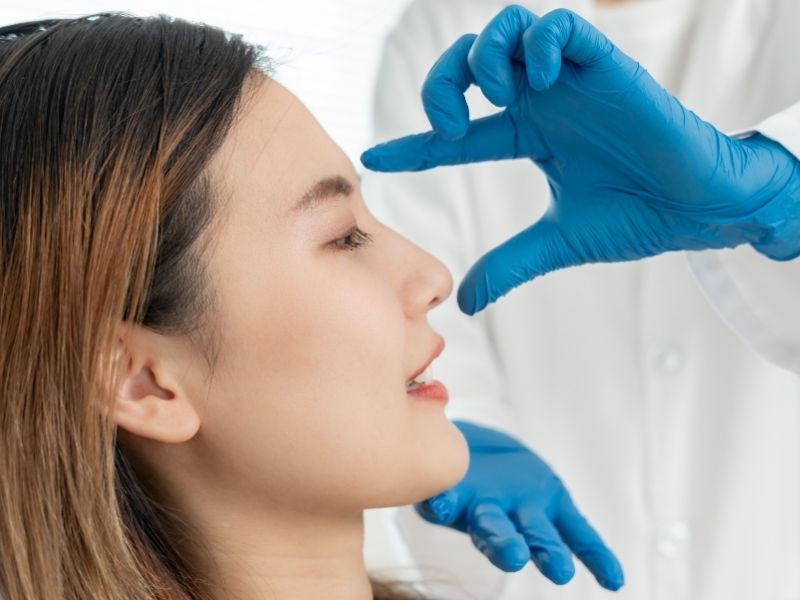
The success of rhinoplasty depends greatly on the surgeon’s expertise and experience. Before surgery, it is important to research carefully and choose the most appropriate specialist for your needs.
Key Points When Choosing a Surgeon:
Before rhinoplasty, you will need a consultation with your surgeon. During this appointment, your nasal anatomy will be evaluated, the most suitable plan will be determined, and the surgical approach will be outlined.
What Happens During the Evaluation:
Recommendation: Make sure you and your surgeon align on the planned outcome. If you have questions, do not hesitate to ask.
Some tests may be required before surgery to evaluate overall health and ensure the procedure can be performed safely.
Possible Tests:
Recommendation: Inform your surgeon about any serious medical history, chronic conditions, allergies, or regular medications.
To support safer surgery and optimal healing, some habits should be avoided before rhinoplasty.
Smoking can significantly slow healing. Nicotine reduces blood circulation, delays wound healing, and increases infection risk. Alcohol can thin the blood and increase bleeding risk during surgery.
Recommendation: Stop smoking and avoid alcohol for at least 2–3 weeks before surgery.
Blood-thinning medications (such as aspirin, ibuprofen, etc.) can increase bleeding risk. If you take any regular medications or supplements, consult your surgeon. Herbal products such as turmeric, garlic, ginseng, and certain teas may also have blood-thinning effects.
Recommendation: Stop these medications and supplements at least 10 days before surgery, as advised by your surgeon.
Salty foods may increase swelling by causing fluid retention. Highly processed and fatty foods may weaken the immune system.
Recommendation: Follow a balanced, healthy nutrition plan before surgery to support immunity and reduce swelling.
To have a more comfortable and stress-free surgery day, some practical preparations are recommended.
Important Points for Surgery Day:
Recommendation: Bringing a book, headphones, or calming music may help you feel more relaxed while waiting.
Rhinoplasty is a surgical procedure performed to change the shape and function of the nose. The techniques used, the type of anesthesia, and the details of the surgical plan play a major role in outcomes.
In this section, we explain how rhinoplasty is performed, the anesthesia options, and what patients can expect during the procedure.
On the day of surgery, patients typically arrive at the hospital in the morning and the following steps take place:
Final medical assessment: The surgeon confirms your health status and reviews final instructions.
Preparation of the surgical area: The nose is cleaned and sterilized with a special solution.
Anesthesia preparation: Anesthesia is administered so the patient does not feel pain.
Recommendation: Wear comfortable clothes and avoid jewelry, contact lenses, or makeup on surgery day.
Rhinoplasty can be performed under general anesthesia or local anesthesia with sedation.
| Anesthesia Type | Description | Advantages | Disadvantages |
| General Anesthesia | The patient is fully asleep and does not feel pain during surgery. | Pain-free and comfortable surgery. | Nausea or fatigue may occur after surgery. |
| Local Anesthesia + Sedation | The patient is awake but relaxed with sedatives; local anesthesia is applied. | Often lighter anesthesia; recovery may be quicker. | The patient may have mild awareness of the procedure. |
The exact procedure and duration depend on the technique and the patient’s needs. Surgery typically lasts 1–3 hours, and revision cases may take longer. Because the focus is outcome-driven, the operating time may vary depending on the steps needed to achieve the planned result.
The rhinoplasty process generally includes these steps:
In closed rhinoplasty, incisions are made inside the nose. In open rhinoplasty, a small incision is made on the columella.
The nasal bones may be shaped with instruments such as a bur or Piezo device. Tip cartilages can be refined, nostrils can be adjusted, symmetry can be improved, and if septal deviation is present, it can be corrected to open the airway. If turbinates are enlarged, their size may be reduced.
Recommendation: If additional support is needed, cartilage grafts may be taken from the ear or rib.
Incisions are typically closed with dissolvable sutures. Nasal packing may be placed, and an external splint or cast is applied to protect the new shape.
Recommendation: Modern silicone splints can allow easier breathing and may be more comfortable than traditional packing.
After waking from anesthesia, patients often feel nasal congestion. Resting with the head elevated is recommended. Mild bleeding or oozing may occur during the first few days and is usually normal. Pain is generally controlled with prescribed medication, and patients are often discharged the same day or the next day.
Recommendation: Sleeping with the head elevated on the first night can help reduce swelling and bleeding.
The duration depends on the scope of the procedure and typically ranges from 1 to 3 hours.
| Surgery Duration | What It May Include |
| 1–1.5 hours | Minor corrections (tip lift, mild hump reduction) |
| 2 hours | Hump reduction, tip refinement, nostril reduction |
| 2.5–3 hours | Comprehensive rhinoplasty (bone shaping, septoplasty, major tip change) |
Swelling and bruising are common in the first days and gradually improve. Some patients may have little to no bruising, while others may bruise more; bruising often fades by day 7. Nasal splints or packing are typically removed within 5–7 days. Heavy exercise and bending should be avoided in the first 2 weeks. Sun protection is important, and the nose should be protected from impacts.
Recommendation: Cold compresses during the first 3 days may help reduce swelling.
Recovery after rhinoplasty is one of the most important factors that determines both the quality of healing and the final nasal shape. Swelling, bruising, nasal congestion, and mild discomfort are normal. With proper care and by following medical instructions, healing may proceed more smoothly and the risk of complications can be reduced.
This section explains the stages of recovery, what to watch for, and how long it typically takes to see the final result.
The first 24 hours are when the body’s initial response to surgery is most noticeable. Patients are usually monitored for a period and discharged the same day or the next day.

Nasal congestion is common. Swelling and bruising around the eyes may begin. Mild bleeding or oozing can occur (this is usually normal). Dizziness or mild nausea may be felt due to anesthesia. Speaking and eating may feel slightly uncomfortable.
Recommendation: Sleep with your head elevated the first night. Using 2–3 pillows to keep your head above heart level can help reduce swelling and bleeding risk.
The first week is a critical healing phase when splints and/or packing help protect the new nasal shape.
Packing is often removed within 5–7 days. The cast/splint is usually removed around day 7. Swelling and bruising are at their peak but begin decreasing after day 10. Bruising under the eyes often fades within 7–10 days. Nasal congestion may continue, but breathing gradually improves.
Recommendation: Avoid forceful movements when cleaning the nose and use any moisturizing sprays as recommended by your surgeon.
Noticeable changes occur during the first 3–4 weeks. However, the nose has not reached its final shape yet, and swelling may still be present.
Avoid heavy exercise. Protect the nose from contact. Avoid prolonged sun exposure (it can increase swelling and cause skin discoloration). Avoid wearing glasses to prevent pressure on the nasal bridge. Tip stiffness and mild numbness may continue (this is usually normal).
Recommendation: Reduce salt intake to help swelling resolve more quickly.
Most swelling has typically resolved, and the contours become more defined. However, tip swelling may still persist, and final refinement may not be complete.
The skin may remain sensitive, so protect the nose from impacts. Tip swelling may still be present, and patience is important for full refinement.
Recommendation: If you still have concerns, consult your surgeon to evaluate whether any further correction might be needed later.
Final rhinoplasty results are typically seen between 6 months and 1 year. During this time, the nose continues to settle and refine.
Swelling is largely resolved. The nasal tip becomes softer and more natural. Breathing function is improved. The nose looks more harmonious with facial features.
Recommendation: Full healing is a gradual process. Individual recovery timelines vary, so following your surgeon’s guidance is essential.
Recommended:
Drink plenty of water to support recovery. Sleep with your head elevated. Use nasal sprays as instructed. Eat soft, nourishing foods. Avoid smoking and alcohol.
To Avoid:
Touching or rubbing the nose. Wearing glasses (for at least 2 weeks). Heavy sports in the first month. Prolonged sun exposure. Hot baths, sauna, or extreme heat environments.
Recommendation: Do not skip follow-up appointments and attend all scheduled check-ups.
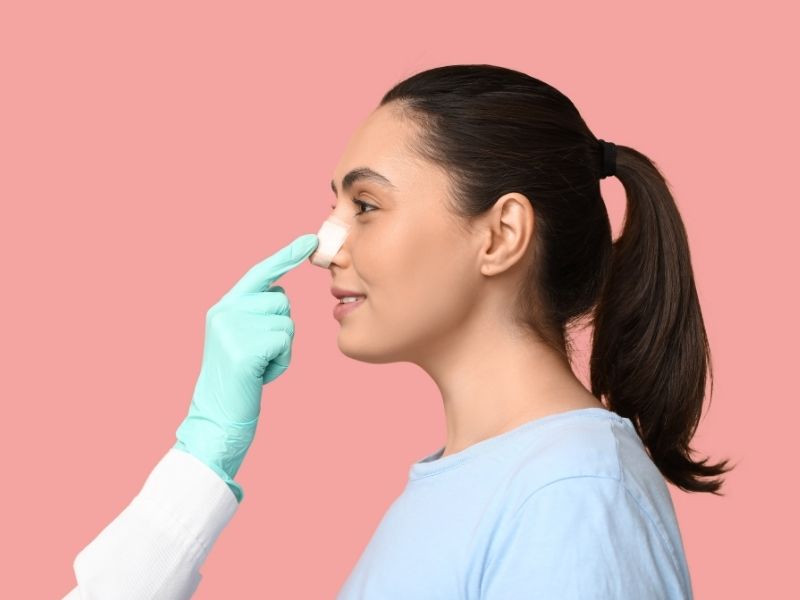
Rhinoplasty is a commonly performed surgery for aesthetic and functional reasons. However, like any surgery, it has potential risks and complications. These may vary depending on the surgeon’s experience, the patient’s health status, and post-operative care.
Below are the possible risks and complications in more detail.
General risks that can occur with any surgical procedure include:
Bleeding (Hematoma): Minor or significant bleeding may occur after surgery.
Infection: Although uncommon, infection risk may exist and can often be managed with antibiotics.
Anesthesia-Related Complications: Reactions to general or local anesthesia may occur.
Because rhinoplasty changes both the aesthetic and functional structure of the nose, it may involve specific complications:
A- Shape-Related Issues
Asymmetry: Mild irregularities or asymmetry can occur.
Tip Droop: If structural support weakens, the nasal tip may drop over time.
Unsatisfactory Aesthetic Outcome: Expectations may not be fully met, and revision surgery may be needed.
B- Breathing Issues
Nasal Obstruction: Swelling, edema, or internal adhesions can temporarily narrow the airway.
Septal Perforation: A hole in the septum may develop and cause breathing problems.
Temporary effects that often improve over time include:
Swelling and Bruising: Especially around the eyes; usually improves within weeks.
Sensitivity and Numbness: May occur around the nose and gradually resolve over months.
Dryness and Crusting Inside the Nose: May be relieved with proper moisturization.
Skin Changes: Thinning, discoloration, or visible small vessels may appear in some cases.
Need for Revision: A second procedure may be required if aesthetic goals are not met or functional issues persist.
Choose an Experienced Surgeon: Expertise can reduce risks and improve outcomes.
Follow Medical Instructions: Strictly adhering to pre- and post-operative guidance supports healing.
Avoid Smoking and Alcohol: These can negatively affect healing.
Be Patient: Final results may take 6 months to 1 year.
Making an informed decision and understanding these risks is important when considering rhinoplasty.
Post-operative care is critical to reduce complications and support the nose in achieving its best final shape.
Keep the Head Elevated: Helps reduce swelling and bruising.
Use Cold Compresses: Intermittent cold compresses around the eyes may help during the first 48 hours.
Avoid Straining Movements: Avoid bending, heavy lifting, and sudden movements.
Stay Hydrated: Drinking water supports healing.
Protect the Nose from Impact: Sleep on your back to avoid pressure.
Avoid Forcing the Nose: Do not blow the nose forcefully.
Protect from Sun: Use sunglasses/hat as advised to reduce risk of discoloration and prolonged bruising.
Avoid Very Salty and Spicy Foods: These may increase swelling.
Avoid Heavy Exercise: Avoid strenuous activity for at least 2 weeks.
Limit Glasses Use: Avoid pressure on the nasal bridge for several weeks.
Avoid Smoking and Alcohol: These may slow recovery.
Maintain Balanced Nutrition: Vitamins and minerals support healing.
Splints and bandages are usually kept for 7–10 days.
Avoid getting the nose wet for the period recommended by your surgeon.
Even after removal, the nose remains sensitive and should be protected.
| Complaint | Suggestion |
| Swelling and Bruising | Cold compress, head elevation |
| Nasal Congestion | Moisturizing sprays, steam inhalation |
| Pain and Sensitivity | Prescribed pain medication |
| Dryness Inside the Nose | Petroleum jelly or nasal moisturizers |
| Mild Bleeding | Gentle forward leaning and using gauze as advised |
Attend all follow-up appointments scheduled by your surgeon.
If unexpected symptoms occur (severe pain, heavy bleeding, signs of infection), contact your doctor promptly.
Rhinoplasty offers a range of benefits not only in appearance, but also in function and self-confidence. After surgery, improvements may be seen physically, psychologically, and in everyday comfort.
Below are the main advantages of rhinoplasty in detail.
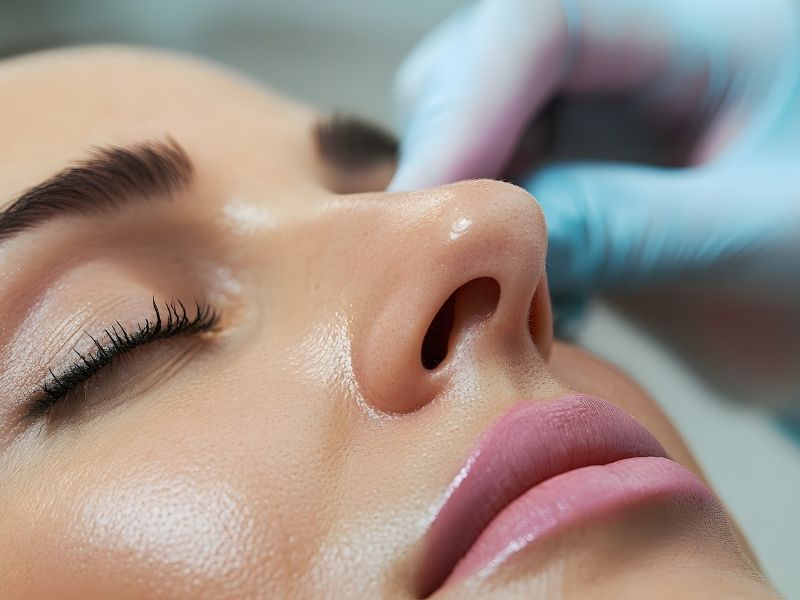
Rhinoplasty can correct various aesthetic concerns to create a more balanced and proportional facial appearance.
a- A More Balanced Face
Because the nose is central to facial aesthetics, even subtle changes can significantly impact harmony.
Concerns such as a droopy tip, a prominent hump, or wide nostrils can be corrected to improve facial balance.
b- Profile Improvement
A dorsal hump or excessive projection can be refined for a smoother profile.
Better balance can be achieved with the forehead and chin.
c- Refining the Tip and Nostrils
A wide or overly upturned tip can be adjusted to look more natural.
Nostrils can be reduced if they are overly wide.
Rhinoplasty is not only cosmetic; it can improve nasal function and breathing.
a- Improved Breathing
Nasal obstruction can be reduced and airflow can be improved.
Deviations can be corrected to restore healthier airflow.
b- Better Sleep Quality
Snoring and sleep-related breathing problems may improve if nasal obstruction is corrected.
Easier breathing can support deeper, higher-quality sleep.
c- Improved Daily and Athletic Performance
Better breathing can improve endurance and comfort during physical activity.
Breathing during sports may feel easier.
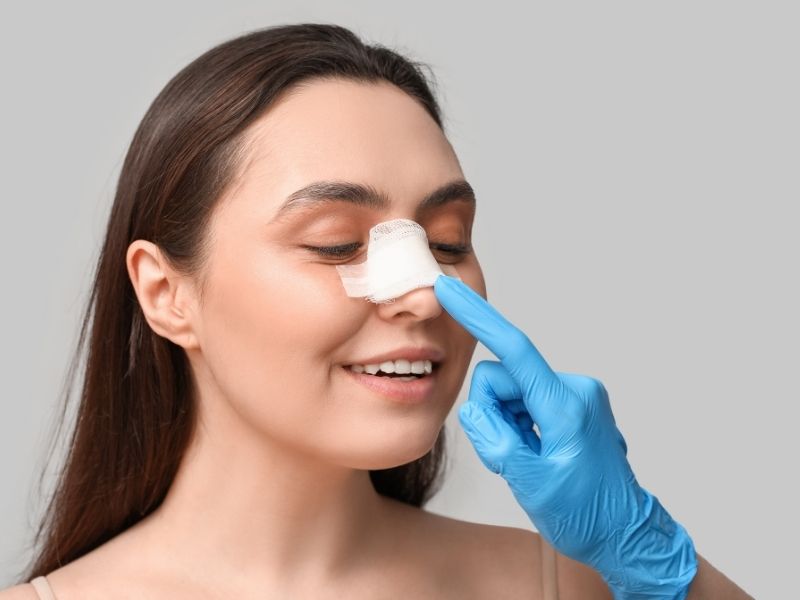
Rhinoplasty may boost self-confidence and have positive social and psychological effects.
a- Increased Self-Confidence
After surgery, many patients feel more satisfied with their appearance and more confident.
b- Feeling More Comfortable in Photos
Patients often feel more relaxed in front of a camera and less concerned about their nose.
c- Reduced Anxiety and Low Mood
Feeling better about one’s appearance can reduce social anxiety and improve emotional well-being.
When performed properly, rhinoplasty can offer long-lasting improvement.
With appropriate surgical techniques, the result can be permanent.
Patients may benefit from improved breathing and a more harmonious appearance long-term.
We have compiled the most common questions and answers about rhinoplasty. This section aims to clarify concerns about the surgical process, recovery, and outcomes.
1) Is Rhinoplasty a Painful Surgery?
No. Since general anesthesia is used during rhinoplasty, you do not feel any pain during the procedure. After surgery, you may feel mild pressure or a sense of tightness, but this can usually be controlled with the painkillers prescribed by your doctor. Many patients report that postoperative pain is much milder than they expected.
3) When Does the Nose Fully Settle Into Its Final Shape?
Some swelling is normal during the first few months after rhinoplasty. In most cases, the nose settles significantly by around 6 months, but the final result typically becomes fully apparent within 1 year. Tip swelling, in particular, may take longer to resolve.
4) Will I Have Difficulty Breathing After Rhinoplasty?
During the first few weeks, breathing can feel difficult due to internal swelling (edema) inside the nose. This is usually temporary. If the internal nasal airway was corrected during surgery, breathing often becomes more comfortable once healing is complete.
5) Is Rhinoplasty Permanent?
Yes, rhinoplasty is considered a permanent procedure. However, the natural aging process, skin characteristics, and external factors (such as trauma or a direct impact to the nose) can cause minor changes over time. If the surgery is performed with proper technique and postoperative instructions are followed, results are typically maintained for many years.
6) What Is the Best Age for Rhinoplasty?
Bone development must be complete before rhinoplasty. Women are generally suitable after ages 16–17, and men after ages 17–18. Rhinoplasty can also be performed in older individuals, but recovery may take longer because skin elasticity decreases with age.
7) Can I Exercise After Rhinoplasty?
Strenuous exercise should be avoided for the first 2 weeks. Light walking can be recommended, but sports with a risk of nasal impact (such as boxing, basketball, or football/soccer) should be postponed for at least 2–3 months.

Facelift surgery (rhytidectomy) is an aesthetic surgical procedure that provides a younger, firmer, and natural appearance by eliminating sa...
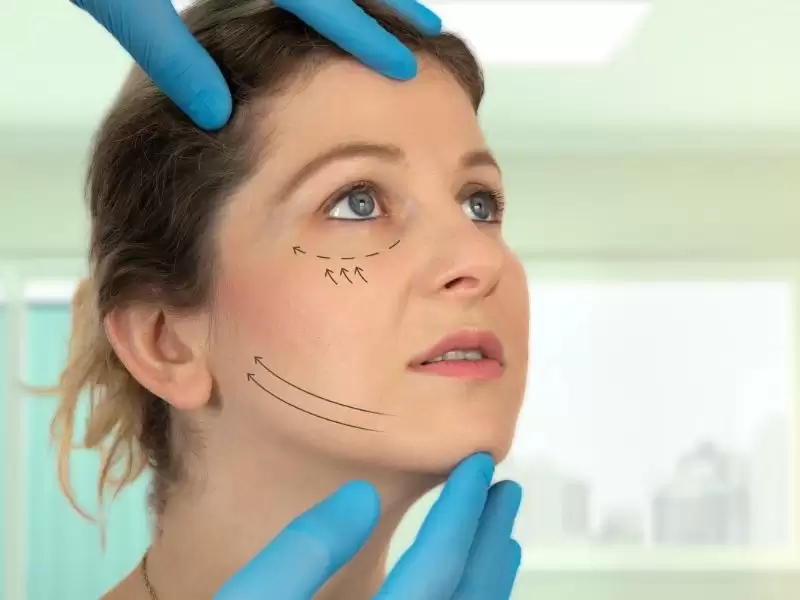
A temporal facelift is a surgical procedure that eliminates sagging in the temple and brow area, giving the upper part of the face a youthfu...

Otoplasty is ear aesthetic surgery. It corrects prominent ears and deformities, provides a natural appearance and self-confidence. It provid...