Deep Plane Facelift
Deep plane facelift is an aesthetic surgical procedure that aims to correct sagging in the face and neck by repositioning the deeper tissues...
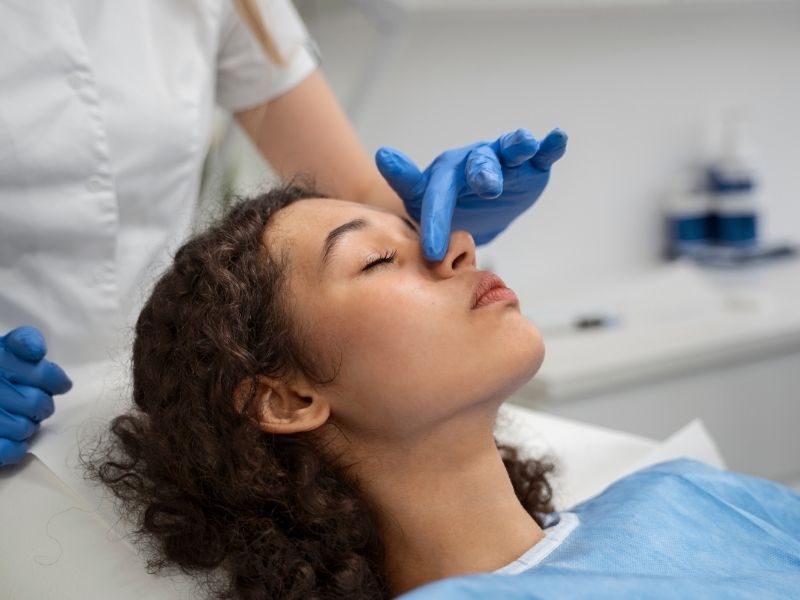
The nose is an important anatomical structure located at the center of the face and directly affects facial expression. The shape of the nose, the angle of the nasal tip, and the size of the nasal tip play a determining role in facial aesthetics. For this reason, even small changes in the nasal tip can significantly affect facial appearance. Nasal Tip Aesthetics (Tip Plasty) is a surgical procedure performed to correct deformities in the nasal tip and focuses only on reshaping the nasal tip. This method, which is especially preferred in cases such as drooping nasal tip, wide or rounded bulbous nasal tip, aims to give the nasal tip a more balanced form.
Classic nose aesthetic surgery may be a more comprehensive operation that also includes the nasal hump, nasal dorsum, and bone structure. However, in some people, the aesthetic problem is located only in the nasal tip. In such cases, instead of intervening in the entire nose, the cartilage structure in the nasal tip is reshaped with a tip plasty procedure. Thus, the aim is to achieve a more natural-looking aesthetic nose that is compatible with facial features without unnecessary bone intervention.
Nasal tip aesthetics is a surgical procedure performed by reshaping the cartilage structures that form the nasal tip. In medical literature, this method, used as the answer to the question of what tip plasty is, refers to an aesthetic operation that focuses only on the nasal tip without intervening in the nasal bones.
The shape of the nasal tip may change due to genetic structure, trauma, or aging. In some people, the nasal tip may droop downward, while in others, it may have a wide or rounded appearance. These conditions may be aesthetically disturbing. Therefore, procedures such as nasal tip reduction, nasal tip lifting, or making the nasal tip more defined may be performed.
Nasal tip aesthetic surgery is performed to reshape the cartilage in the nasal tip, increase or decrease the projection of the nasal tip, and bring the nasal tip to a more balanced angle. During this procedure, the bone structure in the nasal dorsum may not be changed. Therefore, the operation can be considered a more limited intervention compared to classic nose surgery procedures.
The shape of the nasal tip is an important factor that directly affects facial aesthetics. Therefore, some aesthetic or structural problems in the nasal tip can be corrected with Nasal Tip Aesthetics (Tip Plasty). This surgical procedure may be preferred especially in cases where the nasal tip droops downward, appears wide, or has an undefined structure.
One of the commonly encountered conditions is the problem of nasal tip drooping. The downward orientation of the nasal tip may make the facial expression appear more tired or older than it is. In this case, the nasal tip angle can be rearranged with nasal tip lift surgery. In some patients, the nasal tip may be excessively rounded and wide. In this appearance, commonly described as a bulbous nasal tip, nasal tip reduction may be performed.
In some people, the nostrils may be wide. In this case, nostril reduction may be planned together with nasal tip aesthetics. In addition, wide nose aesthetics may be planned for noses that appear wide according to facial structure. If there is also a problem with the nasal hump, procedures such as nasal rasping or nose reduction surgery may also be evaluated during the same operation.
Nasal tip aesthetics is a suitable surgical option for people who have only aesthetic or functional problems related to the nasal tip in their nasal structure. In people whose nasal hump, nasal dorsum, or bone structure is normal but who have a deformity in the nasal tip, tip plasty may be preferred.
A downward drooping nasal tip, a wide and rounded appearance, or a nasal tip that appears disproportionately large compared to the face are among the main reasons for this surgery. People who especially need nasal tip lifting or nasal tip reduction may be candidates for this operation.
It is important that the general health condition of people planning nose aesthetics is suitable for surgery. In addition, nasal development must be completed. Therefore, aesthetic operations are generally planned after the period when bone development is complete. During surgical planning, the patient’s facial structure, nasal skin thickness, and cartilage structure are evaluated.
Nose aesthetics generally refers to a comprehensive surgical procedure in which the nasal bones, cartilage structure, nasal dorsum, and nasal tip are shaped together. This operation is also called nose aesthetic surgery or rhinoplasty. In this procedure, the bone structure is corrected, the hump may be removed, or the size of the nose may be reduced.
Nasal tip aesthetics (Tip Plasty), on the other hand, is a more limited surgical intervention. This procedure focuses only on the nasal tip and does not involve intervention in the nasal bones. Therefore, the operation may take less time and the recovery process may progress faster in some cases.
In some people, the nasal hump may need to be rasped. In this case, nasal rasping is performed to correct the nasal dorsum. If both the nasal hump and the nasal tip are problematic, classic nose surgery is preferred. However, if there are only aesthetic problems related to the nasal tip, nasal tip aesthetics, which is the answer to the question of what tip plasty is, may be sufficient.
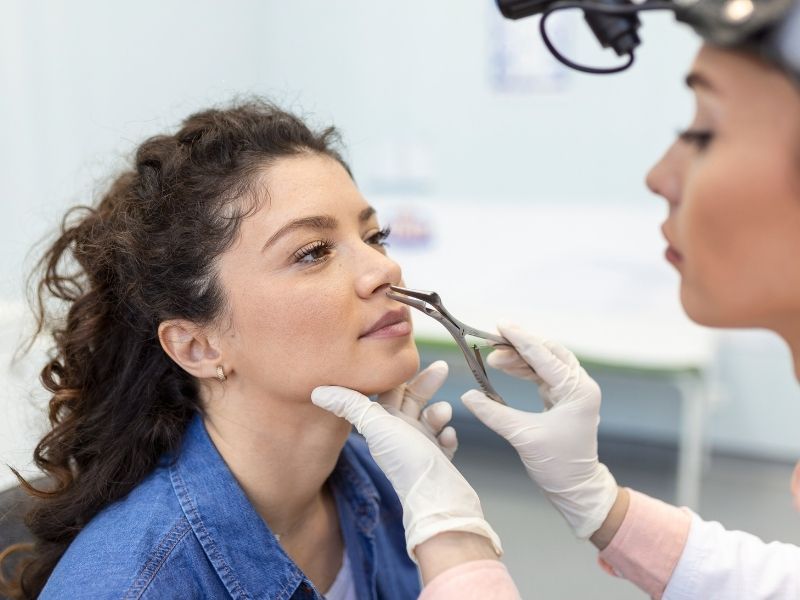
Nasal tip aesthetic surgery is a surgical procedure performed by reshaping the cartilage that forms the nasal tip. During the operation, the projection of the nasal tip, the nasal tip angle, and the width of the nasal tip can be rearranged. During this procedure, the cartilage may be thinned, reshaped, or supported with sutures.
The operation is usually performed under general anesthesia. However, in some patients, the procedure can also be performed under local anesthesia. The appropriate anesthesia method is determined according to the surgeon’s preference and the patient’s condition. During the operation, the cartilage structure is arranged through small incisions made in the nasal tip.
If the width of the nasal tip is excessive, nasal tip reduction may be performed. In cases where the nasal tip droops downward, the angle of the nasal tip is rearranged with nasal tip lift surgery. As a result of these procedures, the aim is to achieve a more balanced and natural-looking aesthetic nose.
In recent years, non-surgical nose aesthetic methods have also come to the fore among aesthetic applications. In these methods, small changes can be made in the nasal tip using filler applications. Temporary solutions may be applied especially in people who need a mild nasal tip lift.
Non-surgical nasal tip lifting performed with filler applications may be considered an alternative to surgery. However, these procedures are not permanent and need to be repeated at certain intervals. In addition, surgical methods may be more effective in cases where the nasal tip is significantly wide or there is nasal tip drooping.
Non-surgical methods are not suitable for procedures such as nasal hump correction or nose reduction surgery . Therefore, which method should be preferred is determined as a result of a personalized evaluation.
In some patients, the Nasal Tip Aesthetics (Tip Plasty) procedure can be performed under local anesthesia. Local anesthesia may be preferred especially in cases where limited interventions only for the nasal tip are planned. In this method, the area to be operated on is numbed and the patient does not feel pain during the procedure. While the patient undergoes the operation consciously, the surgeon reshapes the cartilage structure in the nasal tip.
In cases where more comprehensive surgery is planned, general anesthesia may be preferred. During nasal tip aesthetic surgery performed under general anesthesia, the patient is completely asleep and the operation is completed comfortably. When deciding which anesthesia method will be applied, the patient’s general health condition, nasal structure, and the scope of the surgical procedure to be performed are evaluated together.
After Nasal Tip Aesthetics (Tip Plasty), the recovery process usually progresses gradually. In the first days after surgery, mild swelling, sensitivity, and occasional bruising may be seen in the nasal tip. This is a natural result of surgical intervention and begins to decrease within a short time in most patients. Within the first week, some of the edema in the nasal tip regresses and the patient can return to daily life more comfortably.
In the later stages of recovery, swelling in the nasal tip gradually decreases and the shape of the nose becomes more defined. However, the complete tissue recovery of the nasal tip and its adaptation to its new form may take a longer period. Therefore, it is important to be patient in the postoperative period and wait for the natural course of recovery.
Paying attention to the doctor’s recommendations during this process has a positive effect on recovery. Especially avoiding trauma to the nose, not sleeping face down, and staying away from heavy physical activities for a while can help the nasal tip heal more healthily. Thus, after nasal tip aesthetic surgery, the nasal form gains a more natural and balanced appearance over time.
After Nasal Tip Aesthetics (Tip Plasty), it takes a certain recovery process for the nasal tip to take its final shape. It is quite normal to see swelling in the nasal tip in the first days and first weeks after surgery. During this period, the nasal tip may appear fuller or rounder than expected. This is a natural healing response of the tissues after surgical intervention and decreases over time.
After the first weeks, most of the swelling begins to regress and the new form of the nasal tip becomes more defined. Usually, within a few months, the shape of the nasal tip settles visibly. During this process, the cartilage structure, skin, and soft tissues adapt to the new nasal form.
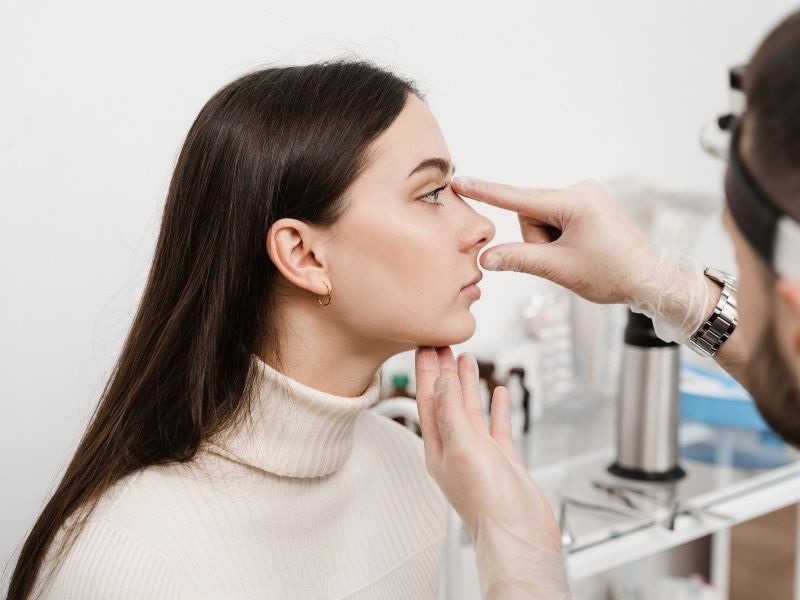
The time it takes for the nasal tip to achieve a completely natural appearance may vary from person to person. In most patients, the final shape of the nasal tip becomes apparent between six months and one year. Avoiding trauma to the nose during the recovery process and paying attention to the doctor’s recommendations contribute to healthier shaping of the nasal tip.
Nasal Tip Aesthetics (Tip Plasty) is a surgical procedure and therefore can provide long-lasting results. During the operation, the cartilage structures that form the nasal tip are reshaped and the aim is to give the nasal tip a more balanced appearance with the face. Therefore, after a nasal tip aesthetic surgery performed with the correct techniques, the new form of the nasal tip can be preserved permanently.
However, some factors such as the aging process, skin structure, and trauma may affect nasal tissues over time. Despite this, Nasal Tip Aesthetics (Tip Plasty) performed with appropriate surgical planning generally provides an aesthetic result that maintains its form for many years and offers a natural appearance.
One of the topics patients are most curious about after nasal tip aesthetics is whether the nasal tip will droop again over time. During Nasal Tip Aesthetics (Tip Plasty), the cartilage structure that forms the nasal tip is reshaped and the support mechanism of the nasal tip is surgically strengthened. Therefore, after a nasal tip aesthetic surgery planned and performed with the correct techniques, the nasal tip is not expected to droop again.
During the operation, the angle of the nasal tip, the placement of the cartilage, and the balance of the nasal tip with the face are evaluated in detail. When necessary, cartilage supports and special suture techniques are used to preserve the new position of the nasal tip. This approach helps the nasal tip remain in a more balanced and aesthetic position, especially in people experiencing nasal tip drooping.
After surgery, small changes in the nasal tip may be noticed due to swelling during the recovery process. However, this is temporary and the nasal tip shape becomes more defined as the tissues heal. During the recovery process, avoiding trauma to the nose, not sleeping face down in the first weeks, and paying attention to the doctor’s recommendations help preserve the form of the nasal tip. When this process is completed, a more balanced and natural-looking aesthetic nasal structure appears.

Deep plane facelift is an aesthetic surgical procedure that aims to correct sagging in the face and neck by repositioning the deeper tissues...

Our eyebrows and forehead area are among the most defining regions of our facial expression....
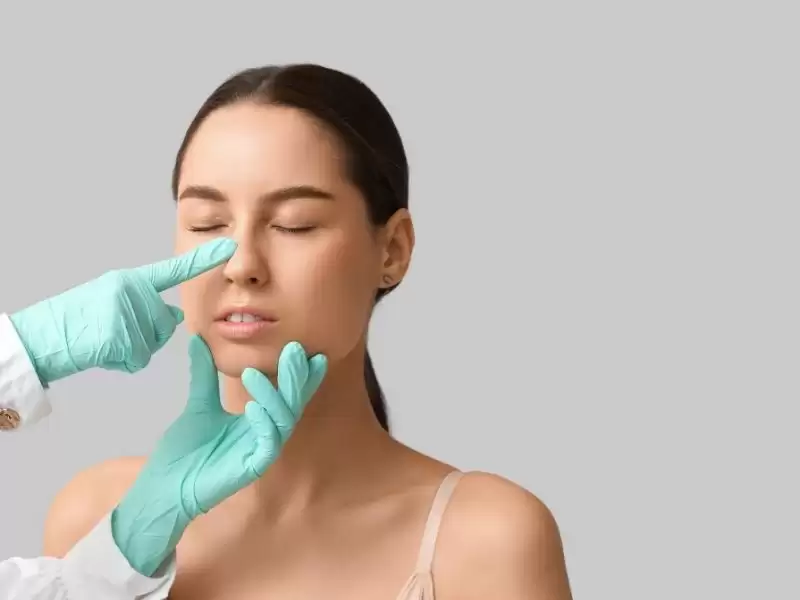
Septorhinoplasty is a surgical procedure that corrects both nasal aesthetics and breathing problems at the same time; it improves both app...