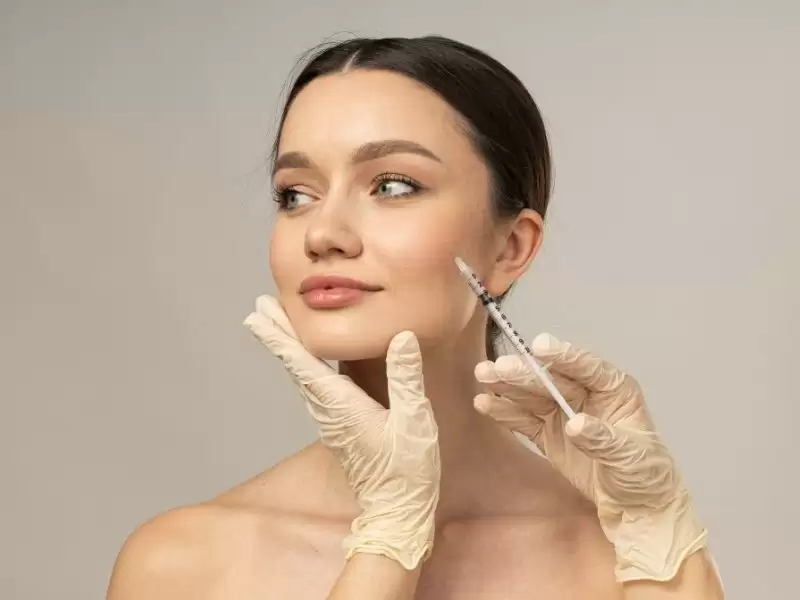
Botox (Botulinum toxin)
Botox is a safe injection treatment that reduces wrinkles and provides a young and smooth skin. It is applied for aesthetic and medical purp...

Lip filler, also known as lip augmentation, is a popular cosmetic procedure that aims to improve the fullness, shape, and overall appearance of the lips. This procedure typically involves the injection of dermal fillers into the lips. The most commonly used filler for this purpose is hyaluronic acid, a substance naturally found in the body that helps maintain the skin’s moisture and volume.
The process begins with a consultation during which the patient discusses their aesthetic goals with a licensed practitioner. The practitioner evaluates the patient’s lip structure and facial anatomy to develop a personalized treatment plan. On the day of the procedure, the lips are usually numbed with a topical anesthetic cream to minimize discomfort.
The doctor uses a fine needle or cannula to inject the hyaluronic acid filler into specific areas of the lips. The injections are strategically placed to enhance lip contours, add volume, and achieve a balanced and natural-looking result. The amount of filler used can be adjusted depending on the desired level of enhancement.
Immediate Results: One of the most significant advantages of lip filler is that results can be seen immediately after the procedure. Patients leave the clinic with fuller, more defined lips.
Customizable: The treatment can be tailored to meet individual preferences, whether a subtle enhancement or a more dramatic change is desired.
Minimal Downtime: Lip filler procedures are minimally invasive and involve little to no downtime. Most patients can resume their normal activities shortly after treatment.
Temporary but Long-Lasting: The effect of lip filler can last from six months to one year, depending on the type of filler used and the patient’s metabolism. This allows individuals to experiment with their appearance and make adjustments over time. Lip filler, also known as lip augmentation, is a popular cosmetic procedure that aims to improve the fullness, shape, and overall appearance of the lips. This procedure typically involves the injection of dermal fillers into the lips. The most commonly used filler for this purpose is hyaluronic acid, a substance naturally found in the body that helps maintain the skin’s moisture and volume.
The purpose of lip filler is to enhance the appearance by making the lips fuller, more symmetrical, and more youthful. Lip fillers can achieve various aesthetic goals depending on individual preferences and needs. Some detailed purposes of lip filler are as follows:
Increasing Volume: Lip filler is used to add volume to lips that are naturally thin or have lost volume due to aging. This can create a more balanced and proportional appearance, giving the lips a fuller and more defined look.
Improving Shape: The shape and contour of the lips can be improved using fillers. This includes defining the lip borders, enhancing the cupid’s bow, and creating a more desirable lip shape that complements the rest of the facial features.
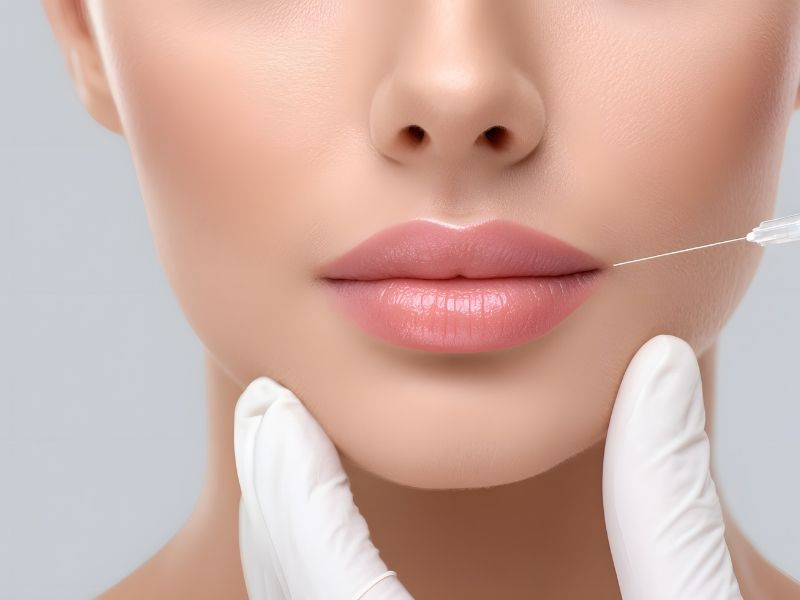
Correcting Symmetry: Many people have asymmetrical lips, where one side differs from the other in size or shape. Lip filler can correct these asymmetries, making the lips more balanced and even.
Smoothing Lines: Over time, fine lines and wrinkles can develop around the mouth, often referred to as "lipstick lines" or "smoker’s lines." Lip filler can help soften these lines, providing a more youthful and younger appearance.
Hydration and Softness: Especially hyaluronic acid-based fillers attract and retain moisture, which can help keep the lips hydrated and soft. This contributes to the overall health and appearance of the lips.
Enhanced Definition: Lip fillers can enhance the definition of the lips, especially the vermilion border (the line where the lips meet the facial skin) and the philtrum (the vertical groove between the nose and the upper lip). This can make the lips appear more defined and aesthetically pleasing.
Restoring Youthfulness: As we age, the lips can lose volume, elasticity, and definition. Lip fillers can restore these youthful characteristics, giving the face a fresher and more youthful appearance.
Personal Confidence: Many people seek lip filler to increase their self-confidence and self-esteem. Achieving the desired lip look can help individuals feel better about themselves and be more satisfied with their overall appearance.
Overall, the purpose of lip filler is not only to enlarge the lips, but to enhance natural beauty, correct imperfections, and contribute to a harmonious facial appearance. The procedure is tailored to each individual’s unique facial structure and aesthetic goals, providing personalized and satisfying results.
Lip filler may be suitable for various people, but certain criteria help determine who may be a good candidate. Here are the important points regarding who can get lip filler:
Adults: Lip filler is generally intended for adults aged 18 and over. For younger individuals, it is important to consult a qualified practitioner to assess suitability.
Health Status: Candidates should be in good overall health. This means being free from active infections, cold sores, or significant allergies that could affect the treatment.
Non-smokers: Although smoking is not an absolute contraindication, non-smokers generally experience better healing and fewer complications after the procedure.
Realistic Goals: Those considering lip filler should have realistic expectations regarding the results. The goal is to enhance the natural look of the lips, aiming for an appearance that complements the rest of the face.
Desire for Enhancement: People seeking improvement in lip volume, shape, or symmetry can benefit from lip filler. Common reasons include the desire to correct naturally thin lips, asymmetry, or age-related volume loss.
No Allergy to Filler Substances: Suitable candidates should not have an allergy or contraindication to substances such as hyaluronic acid used in fillers. A thorough review of medical history and possible allergies is important.
Stable Mental Health: It is important for candidates to have stable mental health and to make the decision to undergo the procedure for personal reasons rather than external pressure or unrealistic expectations.
Pregnancy and Breastfeeding: Lip filler is generally not recommended for pregnant or breastfeeding women, as extensive research on safety during these periods has not been conducted.
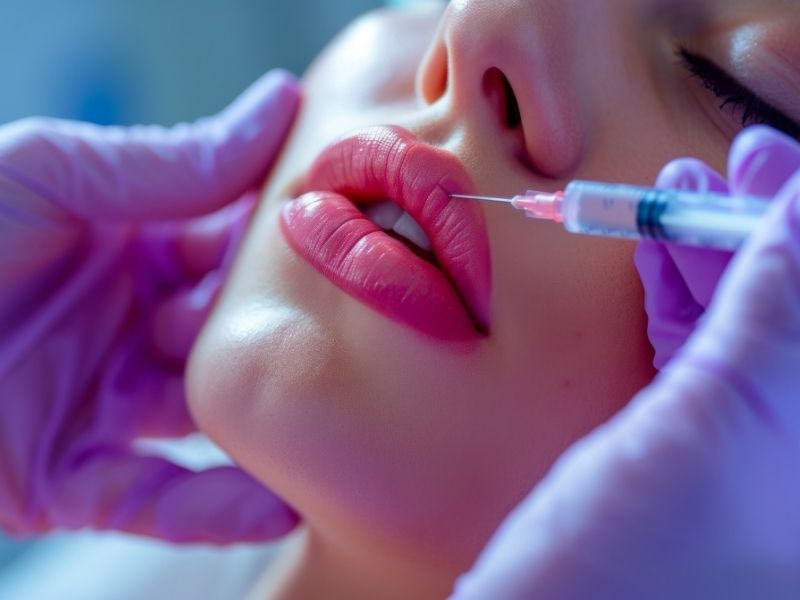
Swelling: Mild to moderate swelling around the lips is common after the procedure. This usually subsides within a few days.
Bruising: Bruising may occur at the injection sites. This usually disappears within one or two weeks.
Redness: There may be some redness at the injection sites, which usually resolves quickly.
Tenderness: After the procedure, the treated area may be sensitive or tender for a short time.
Lumps and Bumps: Small lumps or bumps may appear due to the filler material. These usually resolve over time or with a gentle massage.
Infection: Although rare, there is a risk of infection at the injection sites. Therefore, it is important to follow aftercare instructions and maintain good hygiene.
Allergic Reactions: Some people may experience allergic reactions to the filler material, but this is rare with hyaluronic acid-based fillers.
Asymmetry: In some cases, results may be uneven and touch-up treatments may be required to correct them.
Overfilling: Injecting too much filler can lead to an unnatural appearance. This can usually be corrected with additional procedures or, if necessary, by dissolving the filler.
Vascular Complications: Although very rare, there is a risk that the filler may be accidentally injected into a blood vessel, which can lead to complications such as skin necrosis or vision problems.
To minimize side effects and achieve the best results, it is important to follow the aftercare instructions provided by your doctor. This generally includes:
Avoiding strenuous exercise and excessive heat for 24-48 hours after treatment.
Avoid excessive touching or massaging of the treated area.
Keeping the area clean immediately after the procedure and avoiding makeup.
Before proceeding, it is very important to discuss potential side effects and risks with your licensed doctor. They can provide personalized advice based on your medical history and specific needs.
Most people experience only mild and temporary side effects, but it is always good to be informed about possible risks.
Avoid Touching: Do not touch, rub, or massage your lips for at least 24-48 hours to prevent disrupting the filler and to minimize the risk of infection.
Cold Compress: Apply a cold compress or ice pack to your lips for 10-15 minutes to reduce swelling and bruising. Repeat this several times a day for the first 48 hours.
Avoid Heat: Stay away from hot environments such as saunas, hot showers, and direct sunlight for the first 48 hours to prevent increased swelling.
Skip Makeup: Avoid applying makeup on and around your lips for the first 24 hours to reduce the risk of irritation and infection.
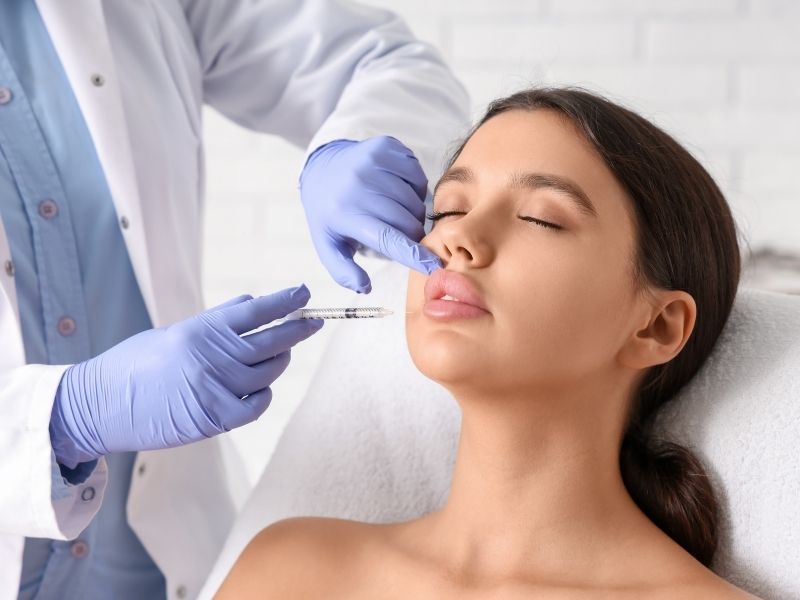
Limit Physical Activity: Avoid strenuous exercise or heavy lifting for 24-48 hours to help minimize swelling and bruising.
Avoid Alcohol: Do not consume alcohol for at least 24 hours after the procedure, as alcohol may intensify swelling and bruising.
Use Gentle Products: Use gentle skincare products around your lips. Avoid exfoliants and products containing harsh chemicals that may irritate the area.
Maintain Oral Hygiene: Brush your teeth gently and avoid direct contact with your lips to keep the area clean without irritating it.
Watch for Problems: Be alert for unusual symptoms such as severe pain, persistent swelling or redness, warmth, or signs of infection such as pus. Contact your practitioner if you experience these symptoms.
Attend Follow-Up Appointments: Go to any scheduled follow-up appointments with your practitioner to review results and address concerns or complications.
Avoid Smoking: Avoid smoking during the healing period, as it may hinder healing and increase the risk of complications.
Stay Hydrated and Eat Well: Maintain a balanced diet and drink enough fluids to support the healing process and increase the longevity of the results.

Botox is a safe injection treatment that reduces wrinkles and provides a young and smooth skin. It is applied for aesthetic and medical purp...
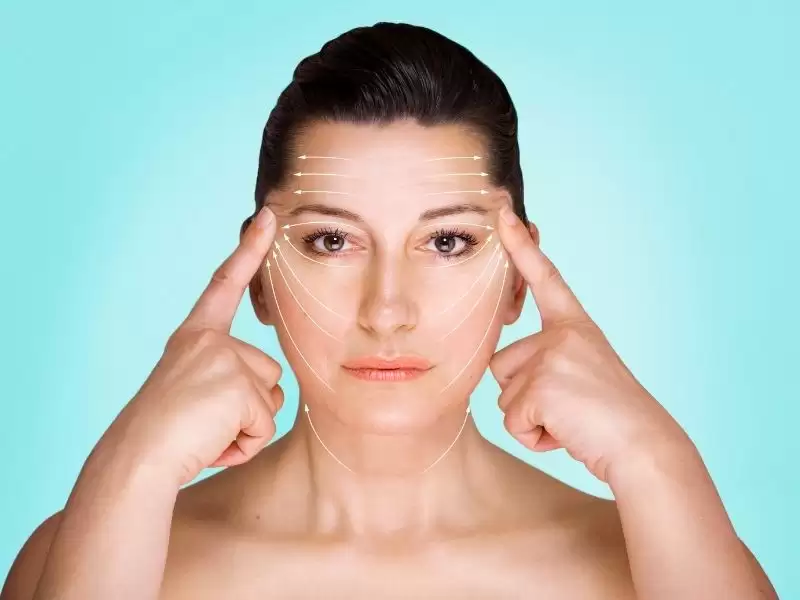
Liquid facelift balances facial proportions by targeting volume loss and lines without surgery, helping achieve a more rested and refreshed ...
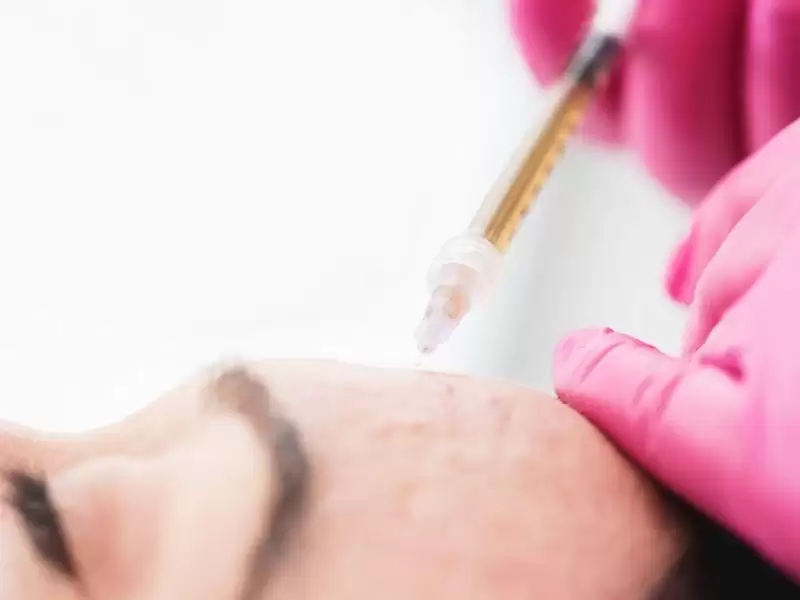
Peptide therapy is an aesthetic procedure that aims to support skin renewal and improve skin quality by applying peptide-based ingredients t...