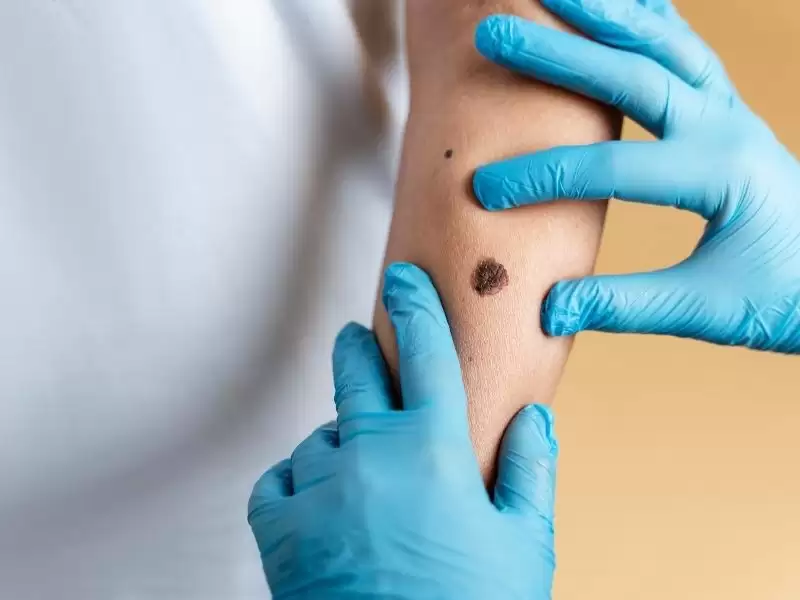
Mole (Nevus) Removal Procedure
Moles (nevi) are pigmented growths on the skin that are congenital or develop later. They may need to be removed for aesthetic reasons or du...
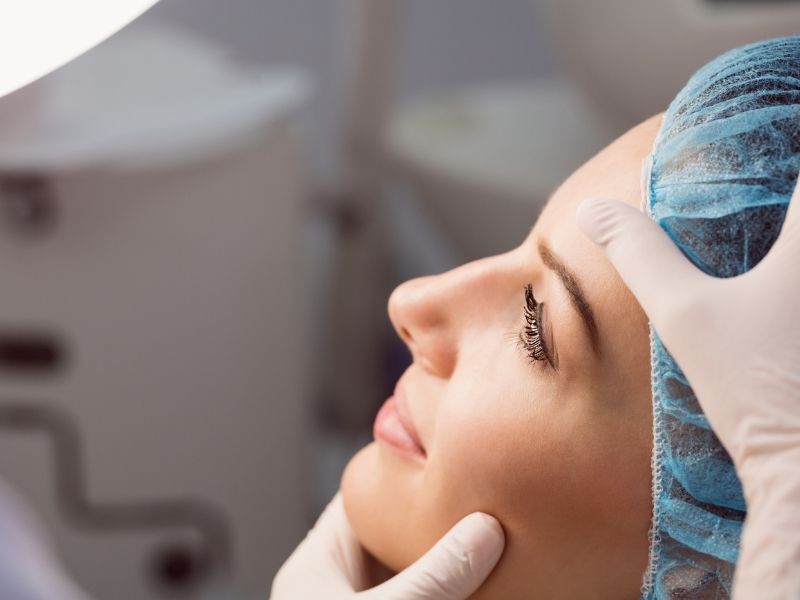
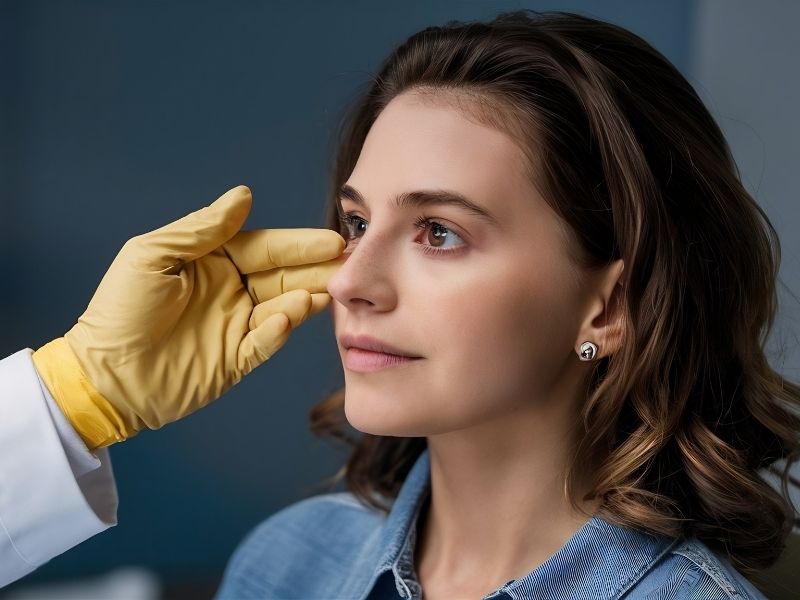
Not being able to breathe comfortably through the nose quietly but effectively makes daily life more difficult. This problem is often associated with a deviation of the structure inside the nose called the “septum.” Fortunately, there are medical solutions. You usually come across two options: Septoplasty and Septorhinoplasty.
So which one is more suitable for you? Do you just want to breathe better, or are you also not satisfied with the appearance of your nose? Let’s compare these two procedures solely from the patient’s perspective.
• I only want to breathe, I’m not interested in aesthetics:
Then septoplasty will be a sufficient and sensible choice for you.
• I can’t breathe well and I’m not satisfied with the shape of my nose:
If you want to solve both problems at once, septorhinoplasty may be the more appropriate choice.
• Septoplasty:
It is generally a simpler surgery that takes 30-45 minutes and does not involve the external nose.
• Septorhinoplasty:
Since it includes aesthetic details, it may take longer. Both the internal and external structures are addressed, therefore the surgeon’s experience and the patient’s compliance with the process are important.
• Septoplasty:
Deviations inside the nose can be treated starting from the age of 10. It can be safely performed in children and adolescents.
• Septorhinoplasty:
External intervention to the nose for aesthetic reasons is preferred after nasal development is completed, that is, generally after the age of 18.
• Septoplasty:
Since it is a functional (therapeutic) intervention, it is generally covered by public or private insurance.
• Septorhinoplasty:
Since it is considered an aesthetic procedure, it is not covered by insurance. All expenses belong to the patient, which increases the total cost.
• Septoplasty:
The nasal packing is removed within the first week, and you can usually return to daily life within 7-10 days. Swelling and bruising are very rare.
• Septorhinoplasty:
Since the external structure of the nose is also addressed, swelling, bruising, and sensitivity are common. The recovery process is longer and requires patience.
• Septoplasty:
Since your external appearance does not change, people around you won’t notice. Its social impact is minimal.
• Septorhinoplasty:
Since the shape of your nose will change, there may be comments from others. Most patients welcome this change with increased self-confidence, but for some, an adjustment period may be needed.
• Septoplasty:
Breathing more comfortably improves your quality of life; however, since the external appearance does not change, the psychological effect may be limited.
• Septorhinoplasty:
Both breathing better and achieving a nose appearance that suits your face can provide increased self-confidence and social ease in patients.
• Septoplasty:
Since the intranasal space is expanded, allergy symptoms (congestion, runny nose, sneezing) may lessen.
• Septorhinoplasty:
It can provide the same benefit; however, it is not a treatment method specifically for allergies.
• Septoplasty:
The process begins with basic blood tests and an examination. Expectations are clear: breathing better.
• Septorhinoplasty:
As aesthetic expectations come into play, detailed communication with the surgeon is required. It is very important to form realistic expectations that suit the individual’s facial structure.
• Septoplasty:
Over time, the deviation may recur and a second correction may be required.
• Septorhinoplasty:
Since both aesthetic and functional correction is achieved, it generally provides more lasting results; however, revision may be needed if expectations and the outcome do not align.
Moles (nevi) are pigmented growths on the skin that are congenital or develop later. They may need to be removed for aesthetic reasons or du...

Nasal deviation, septum deviation, and breathing problems should be evaluated together with nasal congestion, snoring, and treatment options...
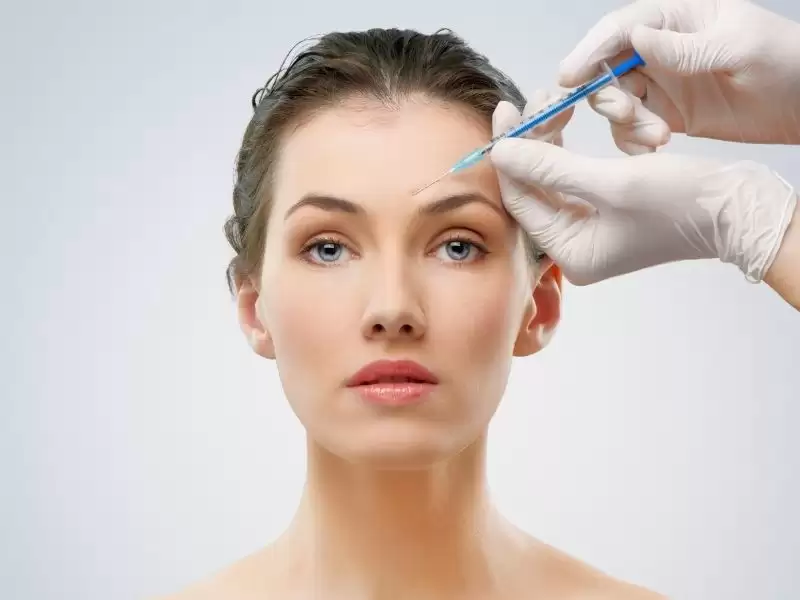
Achieve a younger and more dynamic appearance with a Botox brow lift. Get detailed information about painless application and natural-lookin...