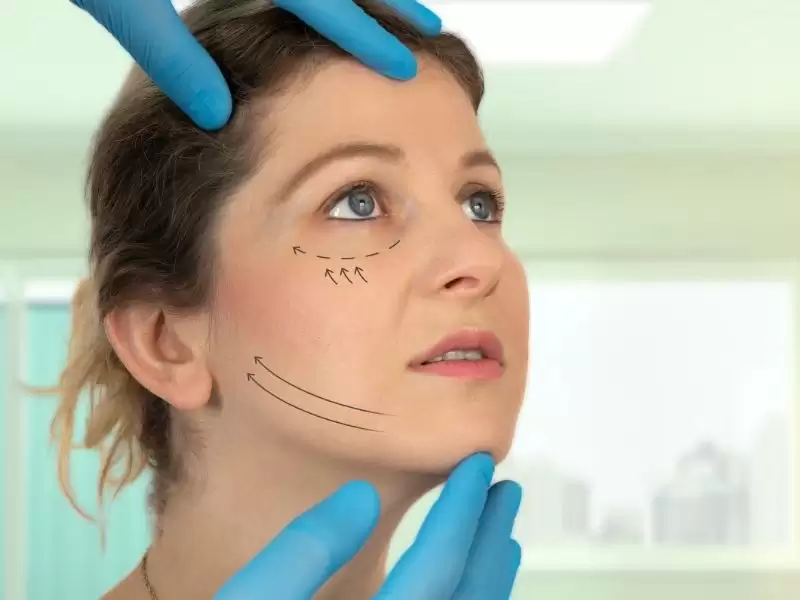
What Is Temporal Facelift Surgery and What Is the General Process Like?
A temporal facelift is a surgical procedure that eliminates sagging in the temple and brow area, giving the upper part of the face a youthfu...
Eyebrow and forehead lift is among the facial aesthetic procedures that aim to create a more balanced appearance by addressing changes in the upper face caused by aging, facial expressions, and gravity. Low eyebrows, forehead lines and a tired facial appearance may gradually make a person look more exhausted, stern, or unhappy than they actually are. Therefore, properly assessing the upper face is important not only for lifting the eyebrows but also for preserving a natural facial expression.
Eyebrow and forehead lift includes surgical and nonsurgical approaches that assess the position of the eyebrows, laxity in the forehead area, and the upper facial expression associated with the eye area as a whole. The goal is not to completely change the face, but to provide a more rested, open, and balanced appearance that suits the person’s own facial structure.
Over time, downward displacement of the eyebrows may occur due to the movement of the forehead muscles, the effect of tissues that pull the eyebrows downward, reduced skin elasticity, and gravity. This condition may progress together with a feeling of heaviness in the eyelids, a more closed appearance of the eyes, and deepening lines in the forehead area.
Eyebrow lift and forehead lift planning should assess the inner, middle, and outer sections of the eyebrow separately. The same lifting angle does not create a natural appearance in every patient. Therefore, facial proportions, eye structure, hairline, forehead height, and facial expression habits are analyzed together before the procedure.
Low eyebrows refers to the eyebrows sitting lower than their normal anatomical position and creating an appearance of pressure in the upper eyelid area. In some people, this may be associated with genetic facial structure, while in others it becomes more pronounced with the aging process.
Downward displacement of the eyebrows should not be viewed solely as an aesthetic change. Fullness around the eyes, a feeling of heaviness in the upper eyelid, the need to constantly use the forehead muscles, and a tired look may accompany this condition. Therefore, when planning treatment for low eyebrows, not only the eyebrow level but also the forehead and eye area should be taken into consideration.
This change in the upper face directly affects the overall facial expression. Even when a person feels energetic, they may appear tired, thoughtful, or stern to others. A properly planned eye area rejuvenation approach can make this expression look more natural and balanced.
Eyebrow lift methods vary according to the person’s age, the degree of eyebrow drooping, forehead structure, hairline, and expectations. Nonsurgical procedures may be sufficient for mild drooping, while surgical methods may provide a more lasting solution for people with significant tissue sagging.
Nonsurgical eyebrow lift is generally planned using botulinum toxin applications, filler support, energy-based procedures, or thread lift techniques. These methods may provide a temporary effect for people with mild eyebrow drooping who do not want surgery. However, their effect is limited and the procedures may need to be repeated at certain intervals.
Surgical eyebrow lift aims to reposition the eyebrow and forehead tissues more permanently. This method is considered especially for moderate to advanced drooping, pronounced forehead laxity, and patients seeking longer-lasting results. During surgical planning, it is important not to lift the eyebrows excessively or create a surprised facial expression.
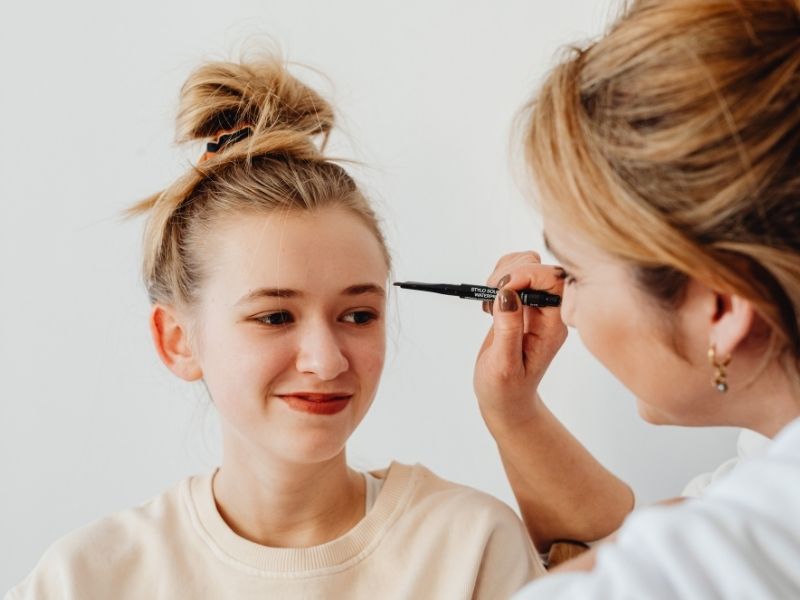
Eyebrow and forehead lift surgery begins with a detailed assessment of the upper third of the face. The eyebrow level, forehead height, hairline, eyelid structure, temple area, and movement of the facial expression muscles are evaluated together. This allows the procedure to be planned not only to raise the eyebrow, but also to balance the upper face as a whole.
The surgery may be performed under local anesthesia, sedation, or general anesthesia. The technique is selected according to the patient’s anatomical structure. The eyebrow and forehead tissues are released through the scalp, near the hairline, or through small endoscopic incisions. The tissues are then moved to the appropriate level and secured.
The aim of this process is to reduce laxity in the forehead area while preserving the natural arch of the eyebrows and creating a more open appearance around the eyes. Eyebrow lifting requires millimetric planning because excessive lifting may create an unnatural expression. Therefore, surgical experience and an aesthetic understanding of the face play a decisive role in the outcome.
Endoscopic eyebrow lift is a modern rejuvenation method for the eyebrow and forehead area performed with the help of a camera through small incisions made within the scalp. Instead of a wide incision, small access points are used, and the tissues are released in a controlled manner under magnified visualization on a screen.
Endoscopic eyebrow and forehead lift may be preferred particularly for people with mild to moderate eyebrow drooping, early noticeable laxity in the forehead area, and a desire for less visible scarring. Because the small incisions remain within the scalp, scar visibility is generally more limited. Recovery may also be more comfortable than with traditional open techniques.
In this method, the forehead tissues are supported while the eyebrows are moved to their natural anatomical line. This allows not only the outer eyebrow but also the forehead and temple areas to be assessed together. In suitable patients, the endoscopic technique may help create a more refreshed and rested appearance while preserving facial expression.
Lateral eyebrow lift is an approach used especially for people with pronounced drooping in the outer part of the eyebrow. A downward position of the eyebrow tail may create a tired appearance around the eyes and a sense of pressure on the upper eyelid. Correct positioning of the outer eyebrow line can therefore create a meaningful change in facial expression.
This method is not applied in the same way to every patient. In some people, treating only the outer eyebrow area is sufficient, while in others the forehead, temple, and eyelid should be assessed together. A lateral approach may create a more balanced and natural result in people with a pronounced downward appearance in the outer eyebrow.
The aim of the lateral approach is not to pull the eyebrow sharply upward. The goal is a position that suits the person’s anatomy, opens the eyes, and softens the expression. Therefore, the balance between the middle and upper parts of the face should be preserved.
Nonsurgical eyebrow lift may be a shorter-term and more practical option for people with mild eyebrow drooping. Botulinum toxin applications can reduce the effect of the muscles that pull the eyebrow downward, while certain supportive procedures may create a more open appearance around the eyebrow. However, these methods do not remove excess tissue.
Surgical methods anatomically reposition the eyebrow and forehead tissues. Their effect is therefore more pronounced and longer lasting. Surgical options may be more suitable for people with significant sagging, forehead laxity, deep forehead lines, and pressure around the eyes.
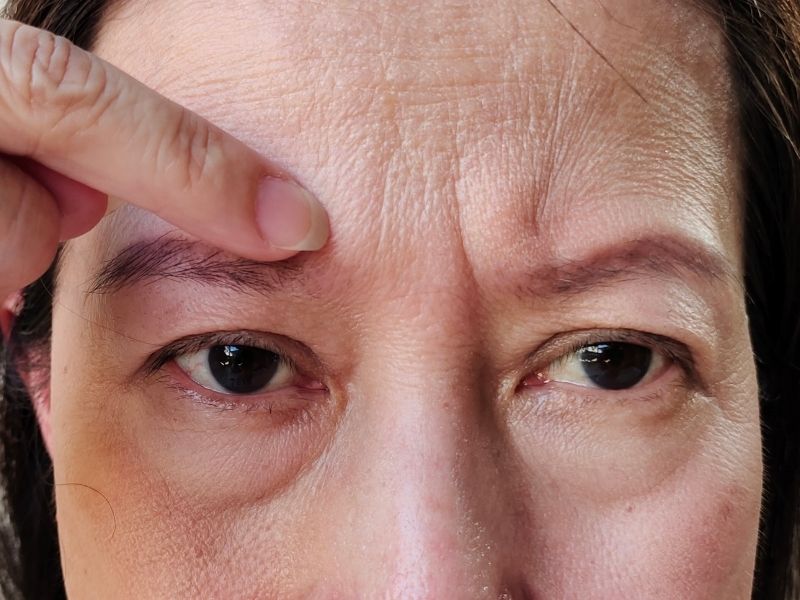
The preferred method depends on the person’s expectations, age, skin structure, and facial anatomy. Nonsurgical procedures may be sufficient for mild concerns, while achieving the desired result with temporary treatments alone may be difficult in more advanced changes.
Forehead wrinkle treatment should be planned according to the cause of the horizontal lines in the forehead area. In some people, the lines are related to frequent facial expressions. In others, low eyebrows cause the person to constantly use the forehead muscles to raise the eyebrows, making the lines more pronounced.
Forehead lines may be inadequately addressed if they are evaluated only as wrinkles on the skin surface. A low eyebrow position can keep the forehead muscles continuously active. Therefore, the eyebrow level and eye area should also be assessed when examining forehead lines.
Botulinum toxin applications may be effective for expression-related lines. However, if forehead laxity and eyebrow drooping are pronounced, surgical or endoscopic approaches may offer a more comprehensive solution. Choosing the right treatment creates a more balanced appearance in both the forehead and the upper face.
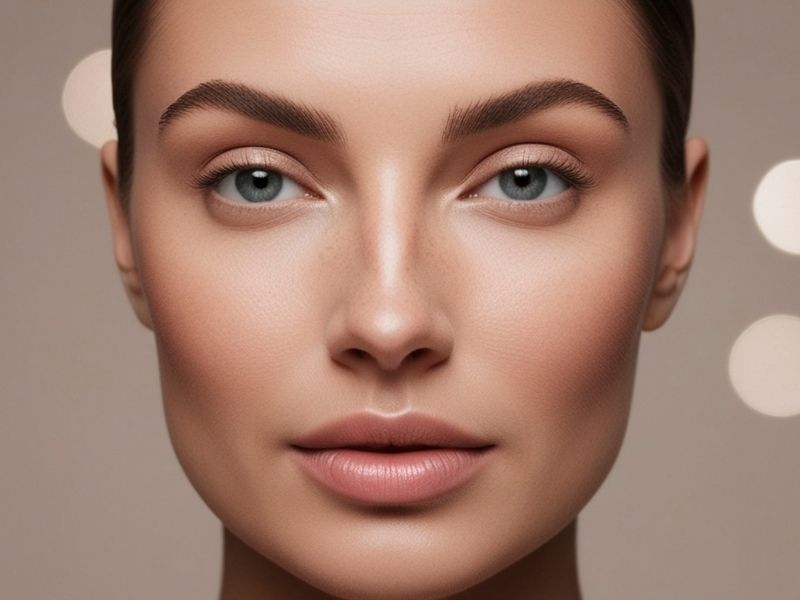
Eyebrow aesthetics is not a procedure that only changes the shape of the eyebrows. The position of the eyebrow within the face is directly related to how open the eyes appear, the height of the forehead, and the condition of the temple area. Therefore, the entire face should be considered when planning eyebrow aesthetics.
Facial rejuvenation procedures may appear incomplete if the upper face is overlooked. If pronounced tiredness remains in the eyebrow and forehead area while the lower face and neck are rejuvenated, facial harmony may be disrupted. Therefore, the eyebrows, forehead, and eye area are important parts of a facial aesthetic plan.
Facial rejuvenation in Ankara searches should place particular importance on assessment of the upper face. This is because the eyebrow level, forehead lines, and expression around the eyes directly affect how old a person appears. When natural results are the goal, different areas of the face should not be considered independently.
Eyebrow and forehead lift in Ankara procedures should be planned individually. Not every case of eyebrow drooping is corrected with the same technique, and not every forehead structure is suitable for the same surgical approach. Therefore, facial proportions, skin quality, and the hairline should be evaluated together during the examination.
Ankara eyebrow and forehead lift planning aims to create a more open and rested appearance while preserving the person’s facial expression. With proper planning, the eyebrows do not appear excessively raised, the forehead is not tightened unnaturally, and a result that harmonizes with the eye area is targeted.
Eyebrow lift Ankara options should include an assessment of both nonsurgical and surgical methods. Temporary procedures may be sufficient for mild drooping, while surgical methods may be more suitable for people with pronounced tissue laxity. Forehead lift Ankara assessments should also examine the forehead lines, eyebrow level, and upper eyelid structure together.
Eyebrow aesthetics Ankara searches should not focus only on the shape of the eyebrow. The eyebrow should be compatible with the overall proportions of the face, support the eye area, and preserve the person’s natural expression. Aesthetic planning should therefore be based on the face as a whole.
Facial aesthetics Ankara involves assessing the eyebrow and forehead area together with the nose, eye area, cheeks, and jawline. Even a small change in the upper face can significantly affect the overall perception of the face. For this reason, an eyebrow lift should not be considered merely a localized procedure.
Ankara facial aesthetics should prioritize a natural appearance, symmetry, and preservation of facial expression. Excessive intervention in the eyebrow and forehead area may create a surprised or stern expression. Balanced planning, on the other hand, can create a more refreshed and rested appearance without changing the face.
Prof. Dr. Tevfik Sözen eyebrow and forehead lift assessments consider the upper face, eye area, and overall facial proportions together. His approach in the fields of Otorhinolaryngology and facial aesthetics supports the integration of functional anatomy knowledge with aesthetic planning.
In this assessment, how far the eyebrows will be lifted, which tissues in the forehead area will be supported, and what type of balance will be targeted around the eyes are determined individually. The aim is not an exaggerated change, but a natural result that is compatible with the patient’s own facial structure.
The eyebrow and forehead area is one of the most noticeable parts of facial expression. Therefore, procedure planning should consider not only an eyebrow shape that looks ideal in a photograph, but also the person’s facial expressions, facial dynamics, and everyday appearance.
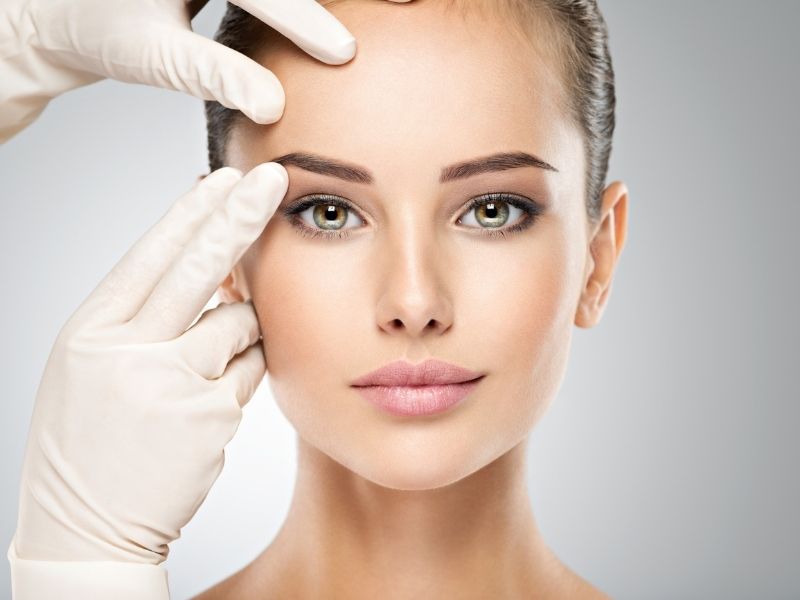
Recovery after an eyebrow and forehead lift varies according to the technique used. Because the incision areas are smaller with endoscopic methods, swelling and a feeling of tightness may be more limited. Recovery may take slightly longer after open or more extensive surgical procedures.
During the first few days, tightness, mild swelling, bruising, or numbness may occur around the forehead and scalp. These findings are usually a natural part of the healing process. Following the care instructions recommended by the physician, keeping the head elevated, and attending follow-up appointments support recovery.
It may take several weeks to several months for the result to fully settle. As the swelling decreases, the eyebrow level begins to look more natural and the feeling of tightness in the forehead area subsides. The final appearance depends on the technique used and the person’s tissue structure.
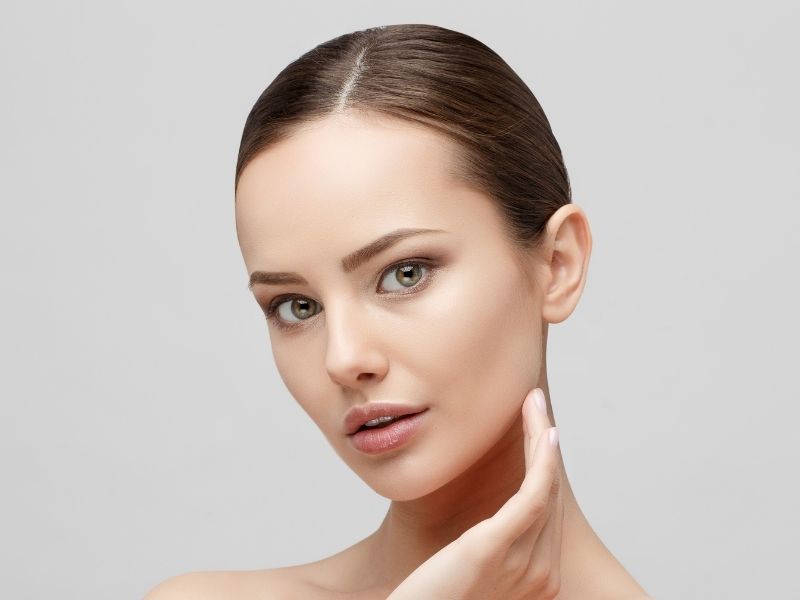
An eyebrow and forehead lift may be considered for people with noticeable eyebrow drooping, laxity in the forehead area, a tired appearance around the eyes, and a desire for a more rested upper facial expression. The procedure is not performed for the same reason in every age group. Genetic eyebrow drooping may be more prominent in younger patients, while tissue laxity may be more pronounced at older ages.
Suitability for the procedure is determined through an examination. The eyebrow level, eyelid condition, forehead lines, hairline, and general health are assessed together. In some people, treating only the eyebrow and forehead area is sufficient, while in others the procedure may be planned together with eyelid surgery or other facial rejuvenation treatments.
Selecting the right candidate directly affects the success of the result. More balanced results may be achieved in people who have realistic expectations, want to preserve a natural facial expression, and are in a suitable state of health for surgery.
Preserving a natural appearance is one of the most important goals in eyebrow and forehead lift procedures. Raising the eyebrows too much may make the facial expression look surprised or tense. Insufficient intervention may fail to provide the expected rejuvenating effect. Planning should therefore be individualized.
For a natural result, the balance between the inner and outer parts of the eyebrow, forehead height, eye area structure, and facial movements are assessed together. Simply raising the eyebrows is not enough; they should be positioned in harmony with the overall facial expression.
A successful eyebrow and forehead lift aims not only to create a younger appearance but also to preserve the person’s individual facial character. In facial aesthetics, a strong result is reflected not by an obvious change, but by a more rested and balanced appearance.
Eyebrow and forehead lift may be considered for people with noticeable eyebrow drooping, forehead lines, and a tired facial appearance. Suitability is determined according to facial structure, the eye area, forehead height, and skin condition.
People researching eyebrow lift in Ankara generally consider this procedure due to low-positioned eyebrows, heaviness around the eyes, and a more tired-looking facial expression. Non-surgical eyebrow lift may be planned in mild cases, while surgical eyebrow lift may be planned for more noticeable drooping.
Because endoscopic eyebrow lift repositions the eyebrow and forehead tissues, it may provide longer-lasting results compared to non-surgical methods. Longevity varies according to the person's age, skin structure, facial expression use, and tissue characteristics.
During the forehead lift in Ankara process, forehead lines, eyebrow drooping, the hairline, and the eye area are evaluated together. The aim is not to tighten the forehead area artificially, but to create a natural balance with an Ankara facial aesthetics approach.
Non-surgical eyebrow lift may provide temporary support for people with mild eyebrow drooping. Surgical methods may be more suitable in cases requiring treatment for noticeable tissue sagging and advanced eyebrow drooping.
The aim of eyebrow aesthetics in Ankara planning is not to change the person's facial expression, but to provide a more rested and balanced appearance. Since lifting the eyebrows too much may create an unnatural expression, planning should be personalized.
During an eyebrow and forehead lift evaluation, Prof. Dr. Tevfik Sözen examines the eyebrow level, the need for forehead wrinkle treatment, the need for eye area rejuvenation, and overall facial proportions together. This approach helps create more natural and harmonious planning within the scope of Ankara facial aesthetics.
A temporal facelift is a surgical procedure that eliminates sagging in the temple and brow area, giving the upper part of the face a youthfu...
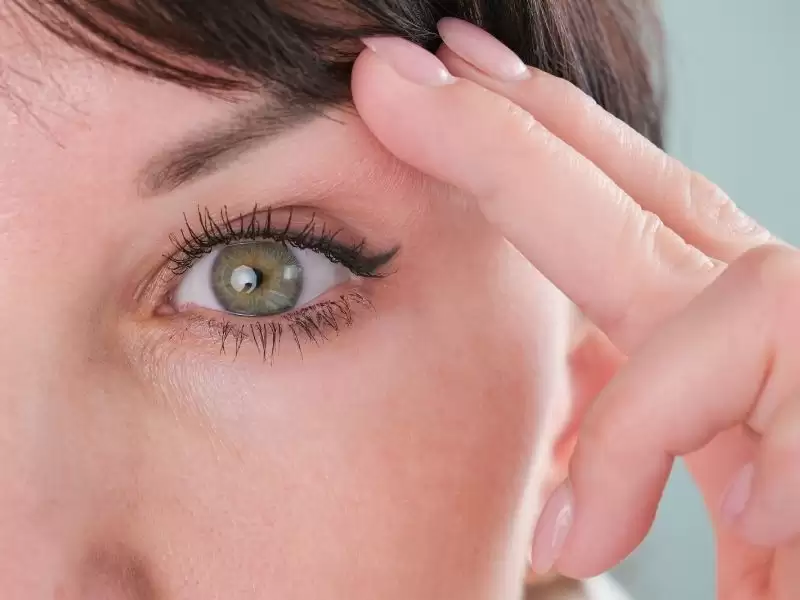
Eyelid surgery, medically known as blepharoplasty, is a surgical intervention that corrects aesthetic and functional problems such as saggin...
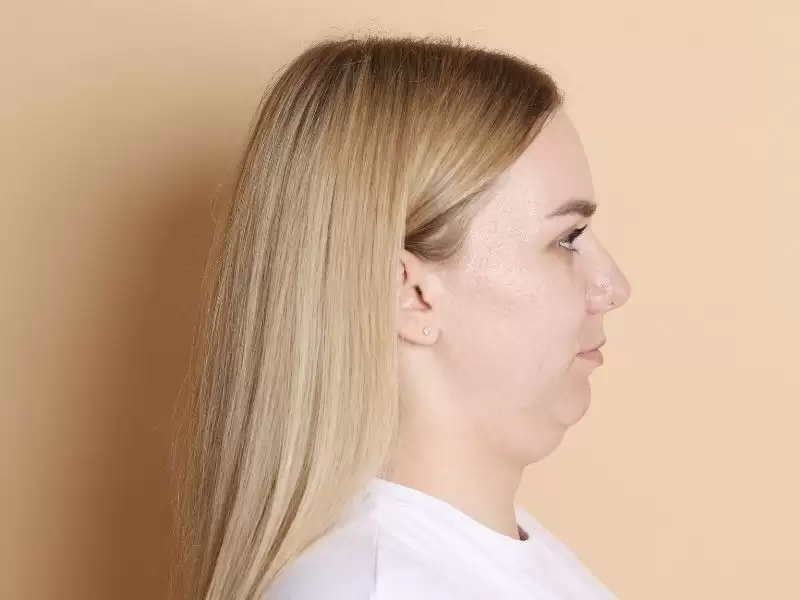
Excess in the double chin area may cause a person to look heavier, older, or more tired than they are. Moreover, this condition is not alway...