
Nose Surgery (Rhinoplasty)
Rhinoplasty is a surgical procedure that reshapes the nose and improves breathing. It corrects aesthetic and functional issues and, with mod...

Eyelid surgery, medically known as blepharoplasty, is a surgical intervention that corrects aesthetic and functional problems such as sagging, puffiness, and excess skin on the eyelids. These changes that occur in the eyelids during the aging process can create a tired and older appearance. Eyelid surgery eliminates this negative appearance and gives the eye area a younger, refreshed, and more attractive look. At the same time, it also resolves problems that narrow the field of vision, providing both aesthetic and functional benefits. Although eyelid surgery is generally performed due to signs of aging, in some people genetic factors or issues that occur after trauma may also make this procedure necessary. Eyelid surgery can address the following problems:
Upper eyelid surgery is a surgical procedure that removes excess skin, muscle, and fat tissue from the upper eyelid to help the eyelids look younger and more dynamic. This operation targets sagging and puffiness that occur with the effects of aging. These problems, which can negatively affect a person’s expression, are eliminated with an aesthetic intervention, resulting in a more energetic and youthful appearance.
Anyone who experiences sagging and puffiness in the upper eyelid, has a reduced field of vision, or has aesthetic concerns can have upper eyelid surgery. This procedure is generally preferred in people aged 40 and over, but it can also be performed at younger ages due to genetic factors.
Lower eyelid surgery is a surgical procedure performed to eliminate bags, swelling, and wrinkles on the lower eyelids. In this procedure, excess fat tissue and skin are removed, making the eye area tighter and smoother. These changes in the lower eyelids can make a person look tired and older. Lower eyelid surgery eliminates this negative appearance and gives the eye area a fresher and younger look.
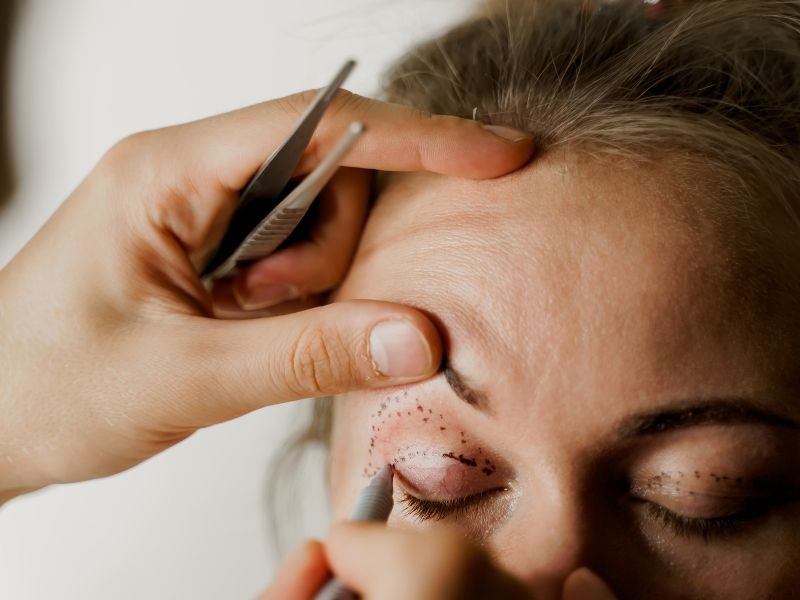
Anyone who has complaints of under-eye bags, swelling, and wrinkles and wants to achieve a younger and more dynamic appearance can have lower eyelid surgery. This procedure is generally preferred in people aged 30 and over. People who experience these issues at a younger age due to genetic factors and lifestyle can also consider lower eyelid surgery.
Before the operation, it is important to have a detailed consultation with your doctor and share your expectations and health status. Your doctor will determine the most appropriate treatment plan for you. In addition, if you smoke, it is recommended that you quit before surgery so it does not negatively affect the healing process. You should inform your doctor about the medications you use, any previous surgeries, and any allergies you may have.
Eyelid surgery is performed under local or general anesthesia and takes approximately 1–2 hours. In upper eyelid surgery, incisions are placed along the natural eyelid crease. In lower eyelid surgery, incisions are made just below the eyelashes or on the inner part of the eyelid. In this way, post-operative scars remain minimal or are not visible. The surgeon removes excess skin, muscle, and fat tissue to achieve a younger and firmer appearance of the eyelids.
After the operation, swelling and bruising around the eyes are normal. In the first few days, you should rest with your head elevated, apply cold compresses, and use the medications recommended by your doctor. During the healing period, you should avoid heavy physical activities and wear sunglasses to protect your eyes. Post-operative care is of great importance for speeding up recovery and achieving the desired results.

The first week after surgery is when swelling and bruising are most intense. During this period, you should rest with your head elevated and avoid heavy physical activities. Applying cold compresses around the eyes as recommended by your doctor can help reduce swelling and bruising. In addition, keeping the surgical area clean and dry can reduce the risk of infection.
From the second week onward, swelling and bruising begin to decrease. Stitches are usually removed within 5–7 days, and you can return to light daily activities. During this period, you should be careful to avoid harming the eye area and avoid heavy makeup. You can use the creams recommended by your doctor to reduce sensitivity around the eyes.
After one month, the eye area heals significantly and final results become visible. However, full healing may take 3–6 months. During this time, you should follow your doctor’s recommendations and not miss regular check-ups. Taking good care of the eye area helps preserve results for a long time. You can maintain these results with a healthy lifestyle and regular skincare.
Eyelid surgery significantly reduces signs of aging and gives the eye area a younger and more dynamic appearance. This effect also positively influences the overall facial expression. While sagging and puffy eyelids can create an older and tired look, these signs are eliminated after eyelid surgery, resulting in a more lively and energetic appearance.
Although the longevity of eyelid surgery varies from person to person, it generally has a long-lasting effect. However, because the aging process continues, new sagging and wrinkles may occur over time. With good care and a healthy lifestyle, it is possible to slow down this process. Regular skincare and healthy nutrition help preserve results for a long time.
Eyelid surgery can also be performed together with other aesthetic operations. More effective results can be achieved especially when combined with facelift, brow lift, and laser applications. Combined aesthetic operations improve overall facial expression and provide a more holistic and natural appearance. In this way, the complementary effect of aesthetic operations is utilized.
As with any surgical procedure, eyelid surgery also carries certain risks. Infection, bleeding, anesthesia-related complications, and undesired aesthetic outcomes are among these risks. However, these risks are kept to a minimum when the procedure is performed by an experienced surgeon. You can reduce these risks by following your doctor’s recommendations before and after surgery. In addition, carefully following post-operative care instructions can speed up the healing process.
Post-operative care is of great importance for speeding up the healing process and achieving the desired recovery results. You should strictly follow your doctor’s recommendations and attend your regular follow-up appointments without interruption. In addition, you should wear sunglasses to protect the eye area and avoid situations where you will be exposed to excessive sunlight. Post-operative care is critical for maintaining results for a long time and for healing.
1)Does eyelid surgery hurt?
Post-operative care is very important for speeding up recovery and achieving the desired healing results. You should follow your doctor’s recommendations exactly and attend your regular follow-up appointments without interruption. In addition, you should wear sunglasses to protect the eye area and avoid situations where you will be exposed to excessive sunlight. Post-operative care is critical for healing and for maintaining results for a long time. A healthy lifestyle and a regularly applied skincare routine help the eye area stay young, vibrant, and dynamic.
2)Will there be a scar after eyelid surgery?
Because the incisions are made along the natural eyelid crease or on the inner part of the eyelid, scars are usually not visible. Once the healing process is complete, scars largely fade. It is absolutely very important to follow your doctor’s recommended care instructions to help prevent scarring after the operation.
3)Who can have eyelid surgery?
Eyelid surgery can be performed on anyone who is in good general health and has aesthetic or functional problems in the eyelids. However, a detailed examination is needed to decide whether you are a suitable candidate. People with chronic diseases or bleeding disorders should discuss this in detail with their doctors and inform their doctors accordingly.
4)Can I wear makeup after eyelid surgery?
It is recommended not to wear makeup for the first few weeks after the operation. Once the healing process is complete, you can continue wearing makeup. In the first weeks, you should be careful not to harm the eye area and stay away from heavy makeup products.
5)Is eyelid surgery permanent?
Eyelid surgery generally has a long-lasting effect, but because the aging process continues, new wrinkles and sagging may develop over time. With good care and a healthy lifestyle, it is possible to delay this process. Regular skincare and a healthy lifestyle help preserve the results for a long time.
6)How long does eyelid surgery take?
Eyelid surgery usually takes 1–2 hours. However, the duration may vary depending on the type and difficulty of the procedure. You can get detailed information from your doctor about the pre- and post-operative process. The procedure time may vary depending on the scope of the surgery and the surgeon’s experience.
7)How should I manage my expectations after eyelid surgery?
It is important to set realistic expectations with your doctor before surgery. Eyelid surgery generally improves the appearance around the eyes, but it is not possible to guarantee perfect symmetry or a completely wrinkle-free look. You can discuss your expectations by speaking openly with your doctor about surgical results and possible risks.
Rhinoplasty is a surgical procedure that reshapes the nose and improves breathing. It corrects aesthetic and functional issues and, with mod...

Deep plane facelift is an aesthetic surgical procedure that aims to correct sagging in the face and neck by repositioning the deeper tissues...
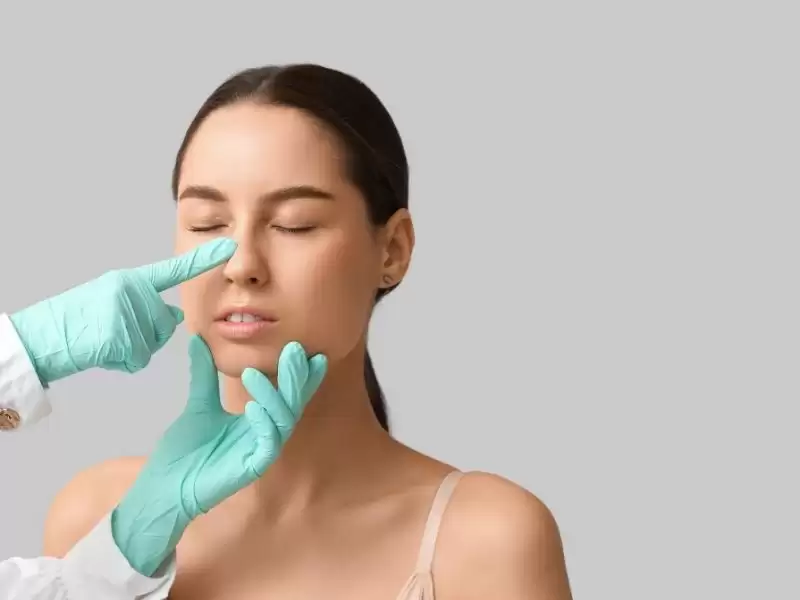
Septorhinoplasty is a surgical procedure that corrects both nasal aesthetics and breathing problems at the same time; it improves both app...