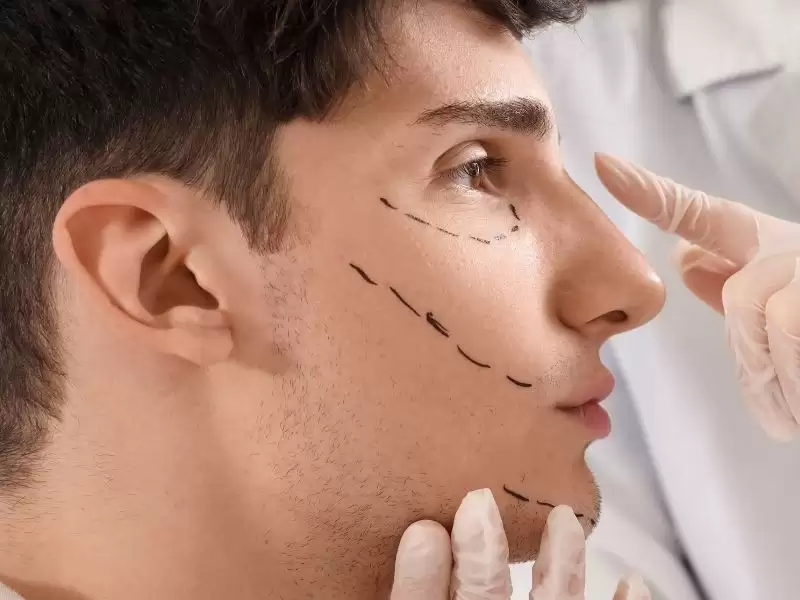
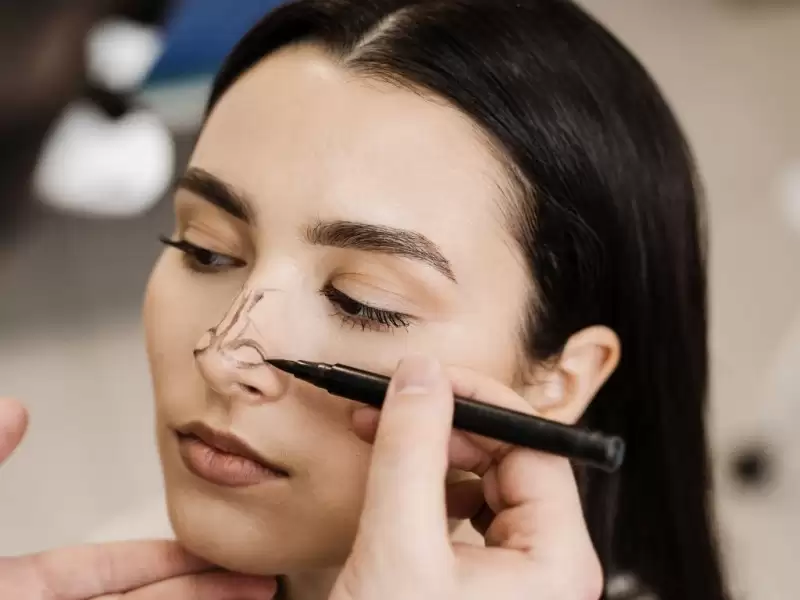
Revision rhinoplasty is a surgical procedure planned for people who have previously undergone nasal surgery but require further intervention in terms of aesthetic appearance, structural support, or breathing function. Revision rhinoplasty requires a detailed evaluation of problems that developed or persisted after the first surgery. Not every failed rhinoplasty is corrected with the same type of intervention, and the decision for a second nose surgery is not made based on appearance alone. The condition of the internal nasal structures, skin characteristics, cartilage support, procedures performed during the previous surgery, and breathing function should all be evaluated together.
- What Is Revision Rhinoplasty?
- Why Is Revision Rhinoplasty Performed?
- Who May Need Revision Rhinoplasty?
- Which Problems After the First Rhinoplasty May Require Revision?
- Nasal Asymmetry and Shape Irregularities
- Drooping or Shape Change of the Nasal Tip
- Irregularities on the Nasal Dorsum
- Nostril Asymmetry
- Persistent Breathing Problems
- When Should Revision Rhinoplasty Be Performed?
- How Is Evaluation Performed Before Revision Rhinoplasty?
- How Is Revision Rhinoplasty Performed?
- Is Cartilage Required in Revision Rhinoplasty?
- When Is Cartilage from the Ear or Rib Needed?
- Why Is Revision Rhinoplasty More Difficult Than the First Surgery?
- Is an Open or Closed Technique Used in Revision Rhinoplasty?
- Recovery Process After Revision Rhinoplasty
- When Does Swelling Subside After Revision Rhinoplasty?
- When Does the Result of Revision Rhinoplasty Become Clear?
- Does Breathing Improve After Revision Rhinoplasty?
- Can Revision Nose Surgery Be Performed a Second Time?
- How Is a Natural Appearance Planned in Revision Rhinoplasty?
- Frequently Asked Questions About Revision Rhinoplasty
What Is Revision Rhinoplasty?
Revision rhinoplasty is a second or subsequent surgical procedure performed on a nose that has previously undergone rhinoplasty to correct aesthetic or functional problems. After the first surgery, various conditions may develop, such as irregularities on the nasal dorsum, changes in nasal tip shape, asymmetry, loss of support, or narrowing of the nasal airway. The extent of the intervention required to correct these problems can vary significantly from person to person.
In some patients, correcting a minor contour irregularity may be sufficient, while in others the nasal framework may need to be reconstructed. Therefore, revision surgery is not considered a standard procedure. Understanding which structures were altered during the previous surgery, determining the amount of available cartilage, and performing a detailed assessment of nasal function form the basis of the surgical plan. The difficulty of revision surgery also largely results from this altered anatomy and scar tissue.
Why Is Revision Rhinoplasty Performed?
Not every minor difference that appears after nasal surgery requires another operation. Especially during the first few months, uneven distribution of swelling can create temporary asymmetries in the nose. However, noticeable deformities, structural weakness, or functional problems that persist after healing is complete may require reassessment.
Revision nose surgery may aim not only to change the aesthetic appearance but also to restore the durability of the nasal framework and the function of the airway. Excessive removal of the nasal dorsum, loss of nasal tip support, narrowing of the nasal valve, or persistent septum-related problems may lead to revision planning. At this stage, the goal is not simply to make the nose smaller again, but to support the structures that need reinforcement and create a nasal anatomy that is more balanced with the face.

Who May Need Revision Rhinoplasty?
People who are significantly dissatisfied with their appearance after the first nasal surgery or who experience breathing problems may seek a detailed evaluation. However, the stage of postoperative healing is important. Since swelling, firmness, and minor asymmetries seen in the early period may change over time, the final assessment is generally made after the tissues have healed sufficiently.
Secondary rhinoplasty also requires realistic expectations when suitability is being assessed. In a previously operated nose, it may not always be possible to return the tissues completely to their anatomy before the first surgery. Therefore, the extent to which existing problems can be corrected, which structures will be preserved, and which areas will require reconstruction are determined in detail before surgery.
Which Problems After the First Rhinoplasty May Require Revision?
The need for revision after the first rhinoplasty may arise for aesthetic and functional reasons. Collapse or prominence on the nasal dorsum, loss of support at the nasal tip, irregularities of the nasal wings, septal problems, and narrowing of the nasal valve may be among these issues. In some cases, even if the aesthetic appearance is acceptable, difficulty breathing comfortably through the nose may require further evaluation.
Correction after rhinoplasty should be planned by first identifying the anatomical problem underlying the visible deformity. An asymmetry that appears minor externally may result from differences in cartilage support, while an irregularity on the nasal dorsum may be related to changes at the bone or cartilage level. Without making this distinction, intervening only in the visible area may not be sufficient.
Nasal Asymmetry and Shape Irregularities
After rhinoplasty, a noticeable difference may develop between the right and left sides of the nose. This may result from differences in bone positioning, changes in cartilage during healing, uneven scar tissue formation, or a pre-existing facial asymmetry becoming more visible.
Asymmetry after rhinoplasty should be evaluated by examining not only the nose but the face as a whole. Natural differences in the eyebrows, eyes, cheeks, lips, and jawline can affect the perceived symmetry of the nose. The goal of revision is to achieve a natural-looking balance that harmonizes with the face rather than mathematically perfect symmetry.
Drooping or Shape Change of the Nasal Tip
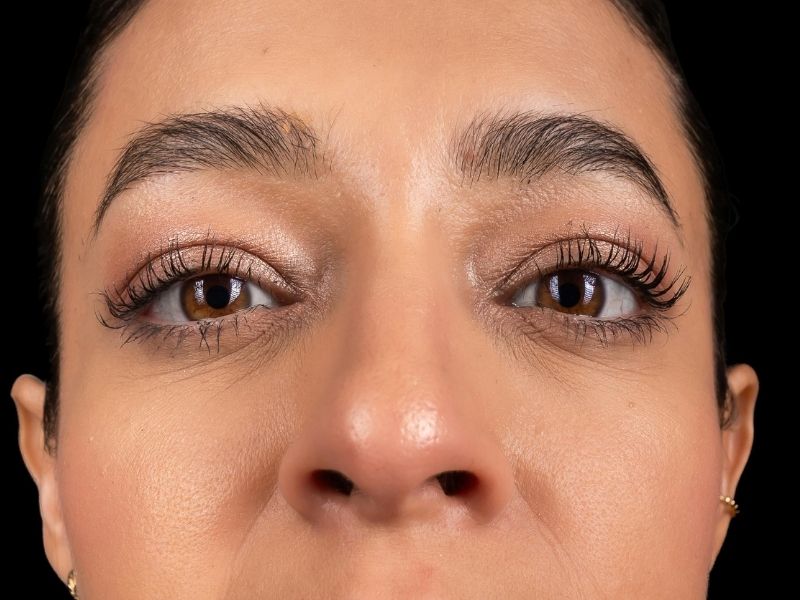
The position of the nasal tip is related to the cartilage structures, connective tissues, and support mechanisms created during surgery. If the nasal tip does not have sufficient support after the first operation, a downward change may occur over time. In addition, an excessively upturned, wide, pointed, or irregular nasal tip may also be considered during revision evaluation.
Nasal tip revision is not limited to reshaping the nasal tip alone. The strength of the cartilage, nasal tip projection, its relationship with the nostrils, and the angle it forms with the upper lip are evaluated together. When necessary, the existing cartilage can be reshaped or additional cartilage support can be used.
Irregularities on the Nasal Dorsum
After the first surgery, small bumps, depressions, or height differences between the right and left sides of the nasal dorsum may be seen. In people with thin skin, small underlying irregularities may be more noticeable, while thick skin may conceal some structural details to a greater extent.
During correction, it is determined whether the problem is merely a superficial irregularity or is caused by loss of support in the nasal framework. Minor contour problems and deformities requiring extensive reconstruction of the nasal dorsum are not treated using the same method. Therefore, the surgical approach is individualized according to the existing anatomical problem.
Nostril Asymmetry
Completely identical nostrils are not always expected in natural facial anatomy. However, differences in height, width, or shape that become noticeable after rhinoplasty may affect a person’s appearance. The position of the nasal tip and changes in the lower part of the septum may also be reflected in the appearance of the nostrils.
During revision, the position of the alar cartilages, nasal base, columella, and direction of the nasal tip are evaluated together. Intervening only at the edge of the nostril without correctly identifying the source of the problem may not provide the desired balance. Planning should therefore consider the nasal base as a whole.
Persistent Breathing Problems
Rhinoplasty is not a surgery that changes only the external appearance. The septum, nasal valve, inferior turbinates, and lateral nasal walls all play a role in airflow. Any persistent narrowing in these structures or narrowing that develops after surgery may make it difficult for the person to breathe through the nose.
Breathing problems after rhinoplasty require evaluation of the internal nasal anatomy in addition to the external shape of the nose. Septal deviation, narrowing of the internal or external nasal valve area, and loss of support in the lateral nasal wall may contribute to the functional problem. Studies on functional rhinoplasty show that, in appropriately selected patients, structural correction can improve patient-reported outcomes related to nasal obstruction.
When Should Revision Rhinoplasty Be Performed?
After the first rhinoplasty, the nose does not reach its final appearance within a few weeks. As swelling gradually decreases, the skin and soft tissues continue adapting to the new nasal framework. Changes in the nasal tip, in particular, may continue for months. Therefore, minor shape differences observed in the early period should not be considered permanent deformities.
When revision surgery is planned, it is generally recommended to wait approximately one year after the first rhinoplasty to allow the tissues to heal sufficiently. This period allows scar tissue to mature, swelling to decrease substantially, and the true structure of the nose to be assessed more accurately. However, if there is a serious functional problem, infection, or another medical necessity, the timing is evaluated separately according to the patient’s condition.
How Is Evaluation Performed Before Revision Rhinoplasty?
The first stage of revision planning is understanding the details of the previous surgery. When available, old surgical records, preoperative and postoperative photographs, and information about the grafts used may contribute to the evaluation. Facial proportions, the nasal dorsum, nasal tip, nasal base, and internal nasal structures are then examined together.
During the functional examination, the septum, nasal valve, and other structures that may affect the airway are evaluated. Photographic analysis helps compare the nose from frontal, lateral, oblique, and basal views. Revision rhinoplasty Ankara searches may also lead people to consider that, when choosing a surgeon, not only location but also the physician’s rhinoplasty and revision surgery experience and ability to perform aesthetic and functional assessment together are important.
How Is Revision Rhinoplasty Performed?
The surgical plan is created according to the existing problem. In some patients, correction in a limited area is sufficient, while in others significant parts of the nasal framework may need to be reinforced again. Cartilage that was removed or weakened during the previous surgery, scar tissue that has formed, and adhesions inside the nose may affect the extent of the operation.
During surgery, irregularities on the nasal dorsum can be corrected, the cartilage structures of the nasal tip can be reshaped, and the necessary areas can be supported with grafts. When a functional problem is present, procedures involving the septum or nasal valve area may also be included in the same surgical plan. The fundamental approach is to create a structure that preserves both the external appearance of the nose and its breathing function.
Is Cartilage Required in Revision Rhinoplasty?
Additional cartilage is not required in every revision surgery. However, cartilage grafts may be needed in patients in whom a significant portion of the supporting tissues was removed during the first operation or when the nasal framework needs to be reconstructed. These grafts can be used to correct the nasal dorsum, support the nasal tip, or strengthen the nasal valve area.
One of the first sources that may be preferred is the patient’s own cartilage from the nasal septum. If a significant portion of the septal cartilage was used during the previous surgery, there may not be enough tissue available. In such cases, other sources such as ear or rib cartilage may be considered. In revision surgery, grafts obtained from the patient’s own tissue are among the commonly used options.
When Is Cartilage from the Ear or Rib Needed?
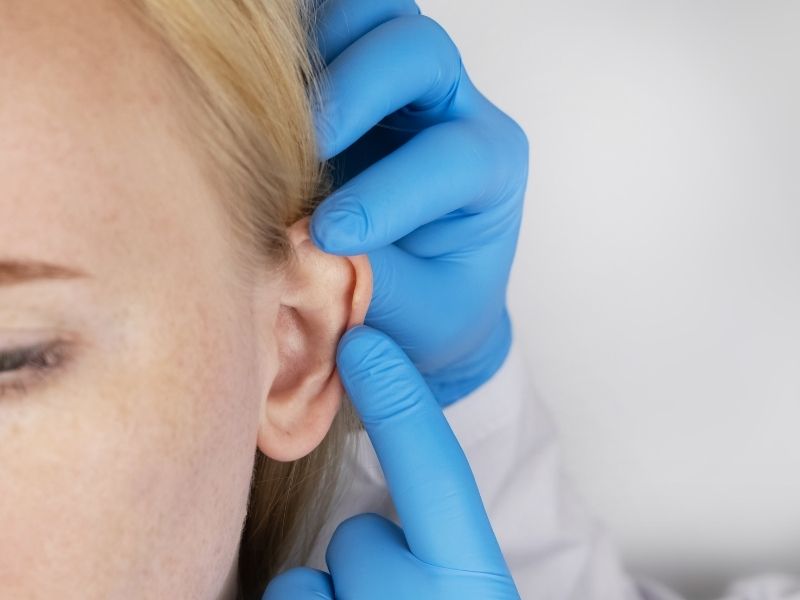
Ear cartilage, because of its flexible and curved structure, may be preferred for reshaping and supporting the nasal tip and nasal wings. When sufficient cartilage cannot be obtained from the septum, it may be considered for areas requiring a limited amount of support. The area from which the cartilage is taken depends on the size and shape of the required graft and the load it must bear.
Rib cartilage is an important option when a larger amount of stronger support tissue is required. It may be used in complex revisions involving severe loss of support on the nasal dorsum, significant collapse, or extensive reconstruction of the nasal framework. Current studies show that rib cartilage is an effective graft source in complex rhinoplasty and reconstruction.
Why Is Revision Rhinoplasty More Difficult Than the First Surgery?
In primary rhinoplasty, the surgeon works with natural anatomical tissues and more clearly defined tissue planes. In revision surgery, previous incisions, removed cartilage, and scar tissue formed during healing may have altered the anatomy. In some areas, tissues may adhere to one another, making separation of the normal surgical planes more difficult.
In addition, it is necessary to determine which structures were weakened during the previous surgery and to restore missing support. If sufficient cartilage cannot be obtained from the septum, the use of different graft sources may also broaden the surgical plan. Therefore, in complex revisions, restoring the mechanical strength of the nasal framework is as important as millimetric aesthetic refinements.
Is an Open or Closed Technique Used in Revision Rhinoplasty?
Open and closed rhinoplasty are different surgical access techniques, and no single technique can be said to be superior for every patient. In the closed technique, incisions are made inside the nose, while in the open technique an additional incision is made in the columella between the nostrils to provide wider access to the nasal framework.
In extensive revision surgeries, the open technique may be preferred to allow detailed visualization of previously altered nasal structures and reshaping of the necessary areas. For more limited problems, a closed approach may be used in suitable patients. Current systematic reviews have not demonstrated a definitive overall superiority of open or closed techniques in terms of aesthetic and functional outcomes. Therefore, the method should be selected according to the patient’s anatomy and the procedures that need to be performed.
Recovery Process After Revision Rhinoplasty
In the first days after surgery, swelling, tenderness, and changes in the color of the surrounding tissues may occur. Their extent varies depending on the scope of the procedures performed, the person’s tissue characteristics, and previous surgeries. The use of a splint on the nose or support materials inside the nose may also vary according to the surgery performed.
Revision rhinoplasty recovery process is not limited to the first few weeks. Although return to daily life may occur earlier, remodeling of the nasal tissues continues for months. Especially in patients with dense scar tissue, thick skin, or extensive cartilage reconstruction, refinement of the nasal tip and the emergence of finer details may take longer.

When Does Swelling Subside After Revision Rhinoplasty?
The reduction of swelling after revision is a gradual process. Swelling that is prominent during the first weeks decreases over time, but different parts of the nose may not heal at the same rate. Changes on the nasal dorsum may become apparent earlier, while swelling at the nasal tip may persist longer.
Scar tissue remaining from previous surgeries may affect lymphatic circulation and the healing behavior of soft tissues. Therefore, patience is required for the swelling to disappear completely after revision. Three-dimensional studies on swelling after rhinoplasty show that the appearance of the nose may continue to change throughout the first year.
When Does the Result of Revision Rhinoplasty Become Clear?
Although changes in the nose begin to be visible shortly after surgery, the healing process must be completed for the nose to reach its final appearance. As swelling decreases, the contours of the nasal dorsum, the shape of the nasal tip, and the transitions between the nasal wings become more distinct. The tissues continue settling over the new framework for a long period.
During the first months of healing, the nasal tip may appear wider and more prominent than expected because of swelling and tissue firmness. This appearance may change as the swelling decreases. Final evaluation requires several months in most patients, and especially in extensive revisions, the process may take one year or longer. Therefore, it is important not to consider minor shape differences permanent outcomes before healing is complete.
Does Breathing Improve After Revision Rhinoplasty?
The likelihood of improvement in breathing problems depends on their cause. If septal deviation, nasal valve narrowing, or structural weakness of the lateral nasal wall is identified, the surgical plan may include reinforcing these areas. In some patients, while correcting the external appearance, it is also necessary to preserve or widen the nasal airway.
Studies on functional rhinoplasty have shown that complaints related to nasal obstruction may decrease after surgery in appropriately selected patients. However, because not every breathing problem arises solely from the nasal framework, the source of the problem must be identified before surgery. An intranasal examination is therefore one of the essential components of revision assessment.

Can Revision Nose Surgery Be Performed a Second Time?
Having undergone more than one previous nasal surgery does not absolutely prevent another operation. However, each surgery may cause new scar tissue to form and may reduce the amount of usable cartilage. Therefore, planning a third or subsequent surgery requires a more detailed anatomical evaluation.
When planning another operation, the potential improvement and the technical difficulties that surgery may create should be considered together. Extensive surgery may not always be appropriate to change a very minor aesthetic detail. On the other hand, if there is a significant structural deformity or loss of function, reconstruction of the nasal framework may be considered. In revision classifications, the number of previous surgeries, the degree of deformity, and the extent of required reconstruction are among the important determinants of surgical complexity.
How Is a Natural Appearance Planned in Revision Rhinoplasty?
The aim of a natural revision result is not simply to create a nose with specific measurements. Nasal length, dorsum height, nasal tip projection, the transition between the forehead and nose, its relationship with the upper lip, and other areas of the face are evaluated together. Ideal proportions may vary not only between female and male faces but also within each person’s individual anatomy.
In a nose that has been excessively reduced or has lost support after the first surgery, achieving a natural appearance may sometimes require restoring lost volume and structural support rather than further reduction. Correcting an excessively scooped appearance of the nasal dorsum, re-supporting the nasal tip, or strengthening the nasal wings may provide a more harmonious appearance with the face. One of the important uses of cartilage grafts in reconstructive revision approaches is to restore this structural support.
When planning a natural appearance, it is important to preserve the person’s characteristic facial structure rather than completely changing their preoperative facial features. When the surgical plan is based on the face as a whole, skin thickness, existing cartilage structure, and breathing function rather than the appearance of the nose alone, aesthetic and functional goals can be evaluated within the same framework.
Frequently Asked Questions About Revision Rhinoplasty
Does Revision Rhinoplasty Leave Scars?
In revision rhinoplasty, depending on the surgical technique to be used, incisions may be made inside the nose or in the columella area between the nostrils. The external incision scar that forms with the open technique may become less noticeable over time with an appropriate healing process.
Does Skin Thickness Affect the Result of Revision Rhinoplasty?
Whether the skin is thin or thick is an important factor in revision rhinoplasty planning; while thin skin may reveal small structural irregularities more clearly, thick skin may delay the appearance of nasal contours. Therefore, the surgical plan is personalized according to the characteristics of the skin and soft tissues.
Are Photos from the First Nose Surgery Important?
Photos taken before and after surgery may help evaluate the changes that have occurred in the nose over time when planning correction after rhinoplasty. Available information about the previous surgery also allows for a more detailed analysis of the nasal anatomy.
Is It Normal to Have Hardness in the Nose After Revision?
During the revision rhinoplasty healing process, a feeling of hardness may be experienced for some time, especially at the tip of the nose, due to swelling and healing tissues. As the tissues heal, the course of this hardness may vary depending on the person's skin structure and the extent of the surgery performed.
Can an Over-Reduced Nose Be Corrected with Revision?
If too much tissue was removed during the first surgery, reconstructing the missing structural support with cartilage grafts may be considered during secondary rhinoplasty. The extent of the correction to be performed after unsuccessful rhinoplasty is determined according to the condition of the existing bone, cartilage, and soft tissues.
Is Revision Nose Surgery More Painful Than the First Surgery?
While the level of pain and tenderness after a second nose surgery varies from person to person, the extent of the surgical procedures performed may also affect this process. Management of the postoperative period is planned according to the surgical technique used and the need for additional cartilage.
7. Should the Nose Be Protected from Impact After Revision?
After nasal tip revision or procedures in which the nasal framework is reinforced, it is important to protect the healing tissues from impact. Especially in the early period, the surgeon's recommendations regarding activities that may cause pressure or trauma to the nose should be followed.
Legal Notice: The information on this page is for general information purposes and does not replace personal diagnosis and treatment. Always consult your physician regarding your health condition.