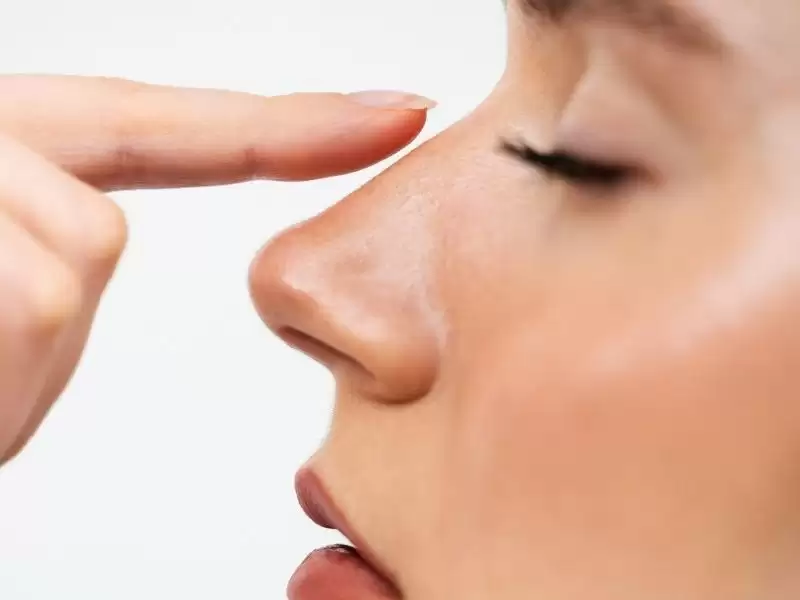
Septoplasty or Septorhinoplasty?
Not being able to breathe comfortably through the nose quietly but effectively makes daily life more difficult. This problem is often associ...
What is the recovery process like after rhinoplasty? What should you expect during the first week, the first month, and the first year after rhinoplasty? In this article, you can find detailed information about swelling, edema, bruising, the care process, and long-term aesthetic results after rhinoplasty. We offer a comprehensive guide for those interested in facial aesthetics, nasal surgery, and rejuvenation procedures.
Rhinoplasty (rhinoplasty) is not a process limited only to the moment of surgery. The post-operative recovery period is a journey that needs to be carefully planned for patients both physically and emotionally. In this article, we address the recovery process after rhinoplasty by dividing it into three separate phases; we discuss the first week, the first month, and the first year in an academically grounded but warm tone.
On the first day after you come out of surgery, bruising or noticeable swelling on your face is usually not seen. If bruising is going to occur, it usually develops within the first 24 hours and then ends. In other words, new bruising is not expected in the following days. By the end of the second day, the most prominent feature is swelling. This swelling usually appears in the inner part of the eye area, in regions close to the nasal root, and reaches its maximum level as of the second day. By the third day, you may observe that any bruising, if present, turns from a dark color to a lighter shade, and that the swelling spreads from around the eyes to the lower face, especially toward the mouth area.
On the fourth day, this swelling shifts slightly from around the mouth toward the chin and neck area. At your seventh-day follow-up, you will feel that bruising and swelling have largely decreased and your face has relaxed. In addition, during this first week, nasal discharge, slight bleeding, and secretions are normal and should not be a cause for concern.
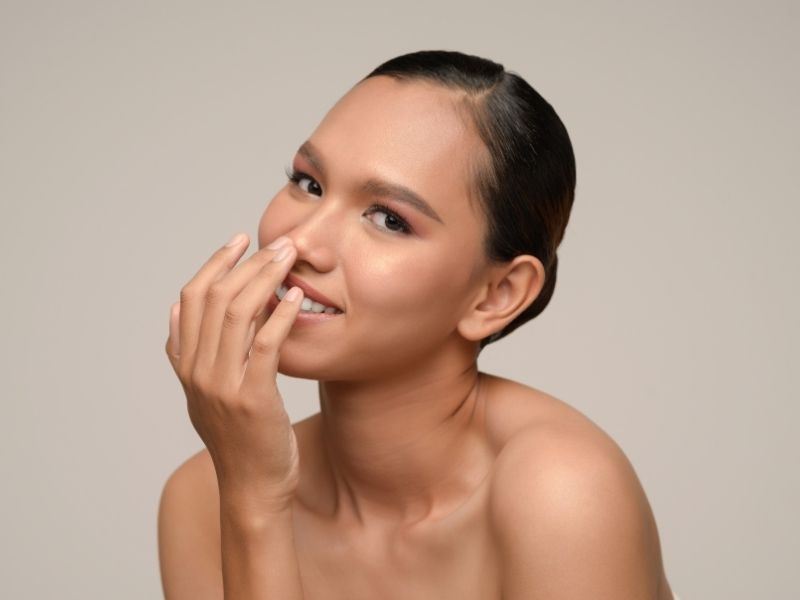
From the second week onward, you will notice that edema and swelling decrease more quickly. During this period, you will feel a noticeable relief in the external appearance of your nose, but your nose has still not reached its final form. It should not be forgotten that: as time passes, the change slows down but continues. In your first month, you will see many positive developments regarding your nose; however, this improvement will continue along with structural healing in the internal tissues of the nose and under the skin.
The first month is generally a phase in which one can fully return to social life and the patient feels more confident aesthetically. However, being patient and spreading the process over time is important for healthier and more lasting results.
Long-term results in rhinoplasty are highly valuable. When you compare your first month with your second month, your second month with your sixth month, and your sixth month with your twelfth month, you will see that the change continues but its pace gradually decreases. In a well-performed nasal surgery, the aesthetic appearance of the nose improves even further over time. The nasal tip softens, the subcutaneous tissues are restructured, and the harmony of the nose with the face becomes more natural.
That is why long-term follow-up of patients is very important, and evaluating the results not only in the first weeks but also with annual check-ups is highly important. In this long journey, every patient who progresses with patience increases their chance of achieving the most natural and successful result.

Not being able to breathe comfortably through the nose quietly but effectively makes daily life more difficult. This problem is often associ...

Returning to social media after rhinoplasty should be evaluated based on the rhinoplasty recovery process, swelling, psychological readiness...
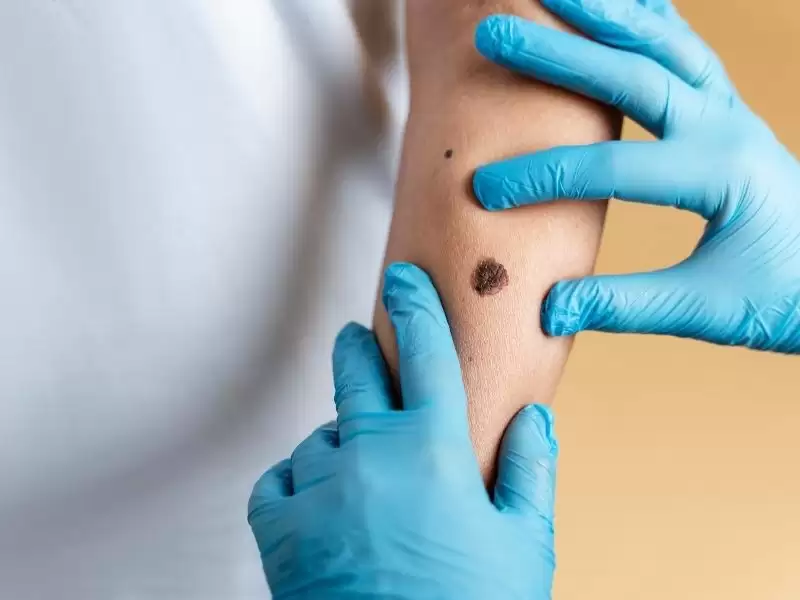
Moles (nevi) are pigmented growths on the skin that are congenital or develop later. They may need to be removed for aesthetic reasons or du...