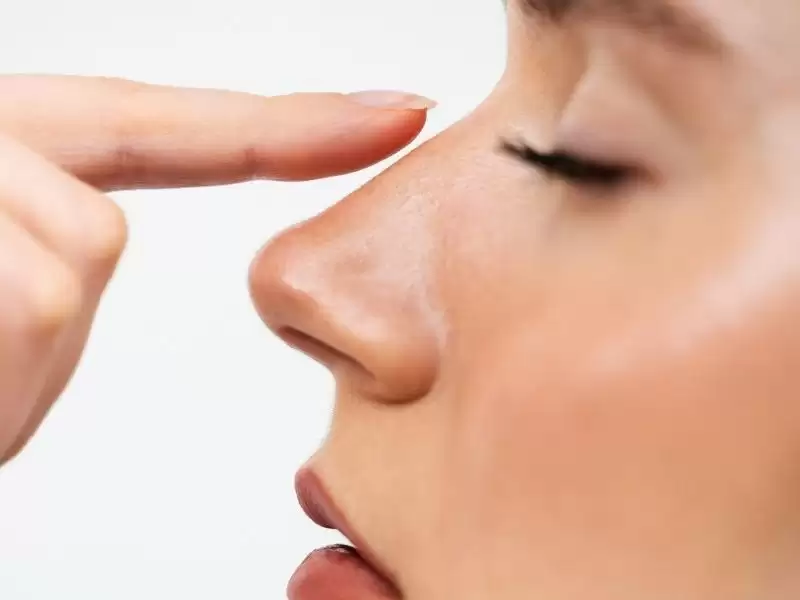
Septoplasty or Septorhinoplasty?
Not being able to breathe comfortably through the nose quietly but effectively makes daily life more difficult. This problem is often associ...
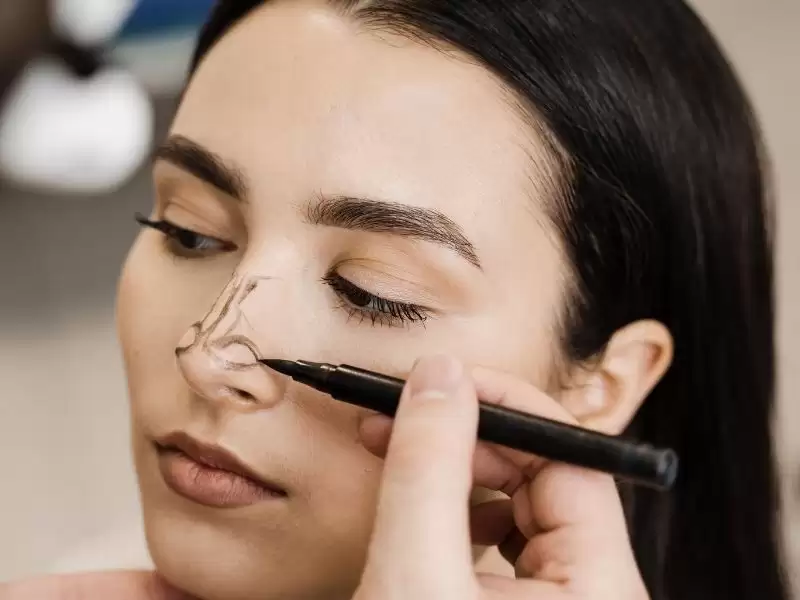
Septorhinoplasty is a surgical procedure that combines the correction of the nasal septum (the bone-cartilage partition inside the nose) with the improvement of the aesthetic appearance of the nose in a single operation. It is an ideal solution for patients who have both breathing difficulty and appearance-related concerns.
Septorhinoplasty is a surgical approach that combines two separate procedures in a single session:
Septoplasty: Correction of septum deviation (curvature in the nasal partition)
Rhinoplasty: Improvement of the aesthetic appearance of the nose
Performing these two procedures at the same time allows the patient to achieve both functional and aesthetic results with a single anesthesia process. In addition, the recovery period is much shorter compared to two separate surgeries.
ENT specialists can perform septoplasty only for functional purposes. However, since septorhinoplasty includes both septum correction and aesthetic reshaping, it is a specialized field that requires both ENT expertise and facial aesthetics experience.

Rhinoplasty is performed only for aesthetic purposes: it aims to make the appearance of the nose compatible with facial proportions. Septorhinoplasty , on the other hand, also corrects functional problems such as septum deviation.
In rhinoplasty, only the external structures (cartilage, bone, skin) are addressed. In septorhinoplasty, the internal septal cartilage and bone are also included in the procedure. This increases the duration and complexity of the surgery; however, it offers the advantage of correcting two problems in a single session.
Rhinoplasty provides only visual change. Septorhinoplasty provides both aesthetic improvement and an increase in breathing quality. In patients with breathing problems, the change in quality of life created by septorhinoplasty is often described as the most satisfying result.

Septum deviation is the displacement of the cartilage and bone structure (nasal septum) that divides the nasal cavity into two, shifting to the right or left of the midline. Although most adults in Turkey have some degree of septal curvature, clinically significant deviation seriously impairs breathing.
Chronic blockage in one or both nostrils
Shortness of breath, especially during exercise or sleep
Nighttime snoring and sleeping with the mouth open
Recurrent sinusitis attacks
Nosebleeds
Headaches
Reduced sense of smell
If septum deviation does not respond to medication, nasal sprays do not provide a long-term solution, and quality of life is seriously affected, surgical intervention comes into consideration. In public hospitals, only functional septum surgery (septoplasty) may be covered by SGK under certain conditions; this may vary for each patient.
Septorhinoplasty is performed under general anesthesia and takes an average of 2.5-3.5 hours. The duration varies depending on the severity of septal deviation and the extent of the simultaneous aesthetic correction.
Anesthesia is administered; the patient is put to sleep under general anesthesia
Incisions are made according to the preferred open or closed technique
Septum deviation is corrected; curved cartilage and bone pieces are repositioned or removed
Aesthetic reshaping (hump correction, tip shaping, etc.) is performed
Cartilage grafts are used when necessary
Incisions are closed; tampons are placed inside the nose and a splint is placed outside
In septorhinoplasty, the choice of technique is determined according to the anatomical structure, as in rhinoplasty. The closed technique offers a more limited field of view; the open technique provides greater control, especially in cases requiring extensive aesthetic correction.

People with chronic nasal obstruction due to septum deviation
Those who want both functional and aesthetic correction (single-session advantage)
Those whose nasal shape and breathing function have been impaired due to trauma
Those who experienced aesthetic dissatisfaction after previous septoplasty
Individuals who are 18 years or older (whose nasal development is complete)
Those who do not have a chronic disease that would prevent general anesthesia
First 1-3 Days
The most intense swelling and bruising occur during this period after surgery. Breathing is done through the mouth; tampons remain in place. Resting with the head elevated is recommended. Pain can usually be controlled with painkillers.
Day 7-10: Removal of Tampons and Splint
This is the most distinct turning point of the process. Breathing improves immediately after the tampons are removed — most patients describe this experience as the most satisfying moment of the surgery. When the splint is removed, the first promising appearance of the nose is seen.
1st Month
Social swelling has subsided and people around the patient have started to notice the change. Light exercise may be started; high-tempo sports are not allowed. Sun protection is critical.
3-6 Months
The shape has largely settled. Functional improvement — breathing quality — is usually fully felt during this period.
12-18 Months: Final Result
Both aesthetic and functional improvement are completed. The skin fully adapts to the new structure. The final evaluation is made during this period.
Functional Advantages
Breathing quality increases significantly
Sleep quality and snoring problems may improve
Recurrent sinusitis attacks may decrease
The frequency of headaches may decrease
Aesthetic Advantages
Nasal hump, asymmetry, and tip shape can be corrected
Facial balance and profile harmony can be achieved
Both functional and aesthetic goals in a single session

Your breathing problem and aesthetic concern can be evaluated together. During the first consultation, a preliminary analysis is performed based on your photographs.
WhatsApp: wa.me/905356873700
Phone: +90 535 687 37 00
Email: info@tevfiksozen.com
Not being able to breathe comfortably through the nose quietly but effectively makes daily life more difficult. This problem is often associ...
Needing a second facelift does not necessarily mean that the first facelift was unsuccessful or that an incorrect technique was used....
Rhinoplasty under the age of 18 is evaluated individually based on bone development, breathing problems, psychological maturity and parental...