
How Does Nasal Deviation Affect Breathing?
Nasal deviation, septum deviation, and breathing problems should be evaluated together with nasal congestion, snoring, and treatment options...
Aesthetic surgery is a powerful tool that, beyond improving physical appearance, directly affects an individual’s self-perception, self-confidence, and social relationships. However, as patients embark on this journey, a question often arises in their minds:
“After surgery, will my nose be the way I want it, will it be shaped according to the doctor’s aesthetic understanding, or will there be a general compromise?”
The answer to this question is too multi-layered to be given with a simple “yes-no.” Because in aesthetic surgeries, not only the patient’s requests but also the doctor’s medical realism, ethical responsibility, and sometimes the opinions of the patient’s relatives create a process that must be carefully balanced.
In surgical procedures like rhinoplasty that affect the center of the face, the decision-making process often turns into a structure with three actors:
If a healthy balance cannot be established among these three, post-operative dissatisfaction, aesthetic dissatisfaction, or unnecessary revision requests may arise.
The nose that emerges at the end of an aesthetic operation should actually be neither only what the patient imagined nor a structure shaped according to the doctor’s own aesthetic vision. The resulting outcome:

The surgical outcome is successful only if it has a goal that the doctor approves and finds scientifically applicable.
A patient may want the nasal tip to be raised to an exaggerated degree. However, if the doctor foresees that this request will both disrupt the natural look of the face and damage the nasal structure in the long term, they will not fulfill this request. Because in aesthetic surgery, the approach “every request can be done” brings not patient satisfaction, but flawed results.
Surgeons prioritize understanding and valuing the patient’s wishes. However, these wishes must be compatible with physiological limits and the facial structure. At this point, every result that the doctor approves is both aesthetically satisfying and medically safe.
Rhinoplasty is not only a change in shape; it is also the reconstruction of the relationship a person has with themselves. In this journey, the patient, the doctor, and if necessary, the patient’s relative should focus on the same route. However, the compass of this route must always be scientific truths.
Patients should know this:
“A result that the doctor does not approve will neither provide aesthetic satisfaction in the long term nor offer a healthy solution.” Therefore, the healthiest answer to the question of whether your nose will be as you imagined is this:
“Your nose will reach its best version by taking your wishes into account, but in a form that passes your doctor’s medical and aesthetic approval.”


Nasal deviation, septum deviation, and breathing problems should be evaluated together with nasal congestion, snoring, and treatment options...
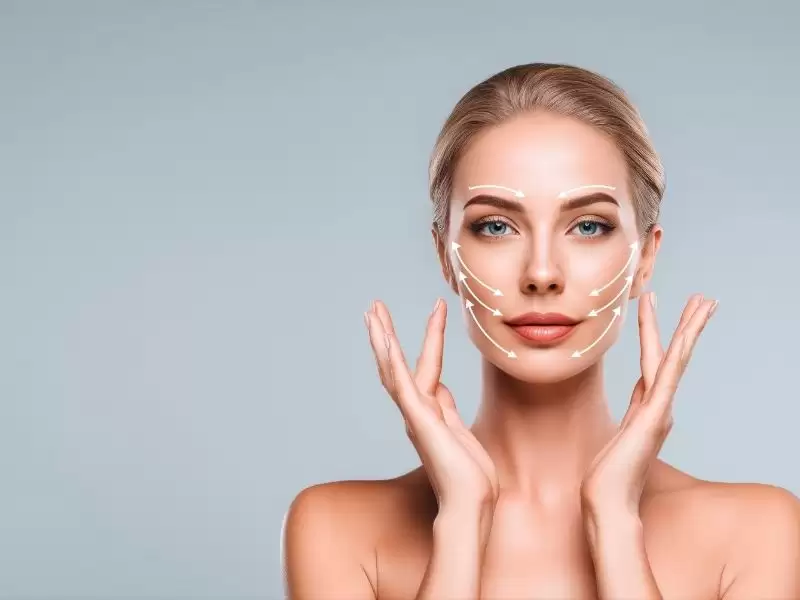
Needing a second facelift does not necessarily mean that the first facelift was unsuccessful or that an incorrect technique was used....