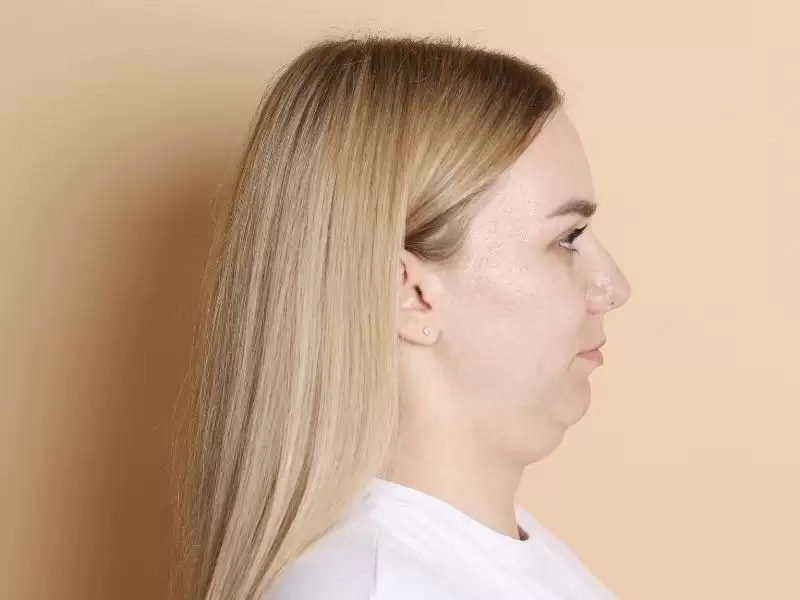
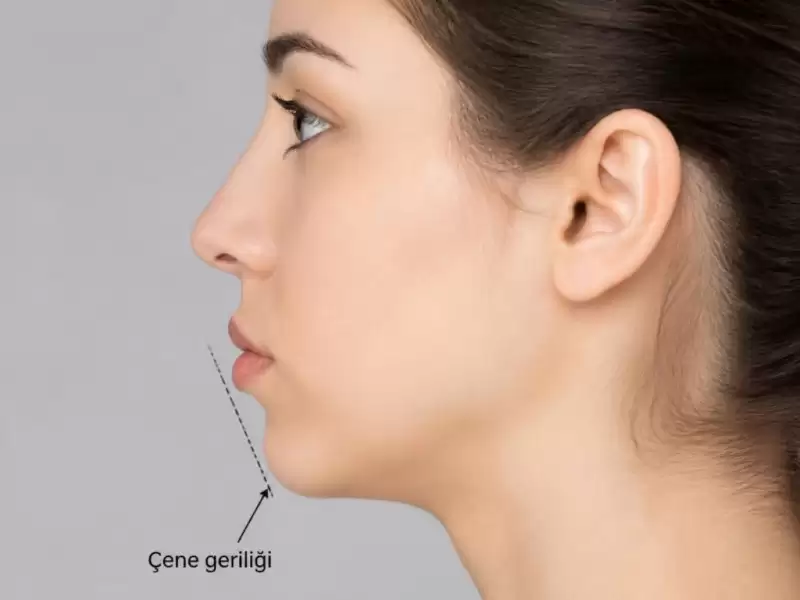
In cases where the chin tip is too far back or too far forward, sufficient correction may not be achieved with implants. In such cases, the most effective and natural method is genioplasty, that is, sliding chin surgery. In this procedure, the bone at the chin tip is cut and shifted in the desired direction (usually forward) and re-fixed. No foreign material is placed in the body; reshaping is done entirely with the person’s own bone.
What Is This Surgery?
Genioplasty is an aesthetic and functional procedure performed by cutting and moving the chin tip directly at the bone level. It is generally preferred in cases where the chin tip is significantly recessed. Compared to implants, it provides a stronger structure and offers multidirectional correction options (forward, backward, upward, downward, or asymmetrical corrections).
Who Is It Suitable For?
Genioplasty is preferred in the following situations:
- Severe recession or protrusion of the chin tip
- Inability to achieve sufficient projection with an implant
- Asymmetry in the chin tip
- Desire for a permanent and natural correction using the bone structure
- Patients who do not want an implant for the chin tip

Pre-Operative Process
- Face and Chin Analysis:
- Profile photos and facial proportions are evaluated. Especially the relationship between the chin and the nose is carefully analyzed.
- Imaging:
- A panoramic X-ray and, if necessary, a 3D chin CT scan are taken. Bone thickness and the position of the nerve line are determined.
- Planning:
- The direction and the amount of bone movement are planned by the surgeon down to the millimeter. If necessary, surgical simulation is performed.
- Preparation:
- Standard blood tests and pre-anesthesia evaluations are performed. Blood-thinning medications are discontinued. Smoking is stopped.
How Is the Surgery Performed?
- Duration: Approximately 1–1.5 hours
- Anesthesia: General anesthesia
- Method:
- The chin tip is accessed through an incision made inside the mouth.
- The chin bone is cut at the appropriate level with special instruments (osteotomy).
- The bone block is shifted forward, upward, downward, or sideways.
- It is fixed in the new position with miniplates and screws.
- The incision is closed with intraoral sutures.
- No foreign material is placed in the body.
Note: This procedure provides not only aesthetic but also functional corrections (for example, the position of the lower lip or occlusion) as well.

Recovery Process
First Day:
• There may be mild bleeding inside the mouth and a feeling of tightness under the chin.
• Cold application reduces swelling.
• Soft, liquid foods are recommended.
1–3 Days:
• Swelling is at its most intense. Mild bruising may be seen.
• Speaking and chewing may be limited, but pain is generally under control.
Week 1:
• Swelling decreases noticeably.
• Stitches dissolve on their own inside the mouth.
• Infection is prevented with antibiotics and mouthwash.
Weeks 2–3:
• Comfort increases, and patients can usually return to social life.
• Sports and activities with a risk of impact are still not recommended.
1–3 Months:
• The final shape settles.
• The feeling of numbness (especially at the chin tip) gradually decreases.
• The jawline becomes defined, and the facial profile is balanced.
What Are the Advantages?
- Shaping is done with completely natural tissue
- There is no implant risk (shifting, foreign body sensation)
- It offers broad correction options (shifting forward, upward, sideways)
- It creates a permanent and strong structure
- The scar is not visible externally, as it is done through the mouth
Frequently Asked Questions About Genioplasty
1) Will my bone be weak because it was cut?
No. Since the bone is fixed with miniplates and screws, a solid structure is formed. The bone fuses again over time and becomes stronger.
2) Will my face change completely?
No. Genioplasty does not change the overall structure of the face; it only corrects the chin tip. The aim is to balance facial proportions.
3) Will my speaking or eating be affected?
Chewing and speaking may be limited for the first few days, but no negative long-term effect is seen. On the contrary, some functions such as the position of the lower lip may become more balanced.
4) Will numbness be permanent?
Temporary numbness in the chin tip is common. It usually improves within a few weeks to months. Permanent numbness is rare.
5) Will it damage my teeth or my jaw joint?
No. The procedure is performed only on the chin tip, and the tooth roots or the joint are not affected.
Legal Notice: The information on this page is for general information purposes and does not replace personal diagnosis and treatment. Always consult your physician regarding your health condition.