What Is the Right Time for Aesthetic Surgery?
When Is the Right Time for Aesthetic Surgery? In this article, we discuss the timing criteria to consider when deciding on aesthetic surgica...
Eyebrows are one of the defining elements of facial expression. Brow ptosis can make a person look tired, angry or unnecessarily older. Prof. Dr. Tevfik Sözen determines the most suitable method among Botox, filler, endoscopic or transfollicular surgery according to the degree of brow ptosis and the patient’s expectations.
Brow ptosis is the downward displacement of the eyebrows from their natural position above the eyes. This condition is not only an aesthetic concern; it can narrow the field of vision and cause chronic fatigue and forehead tension.
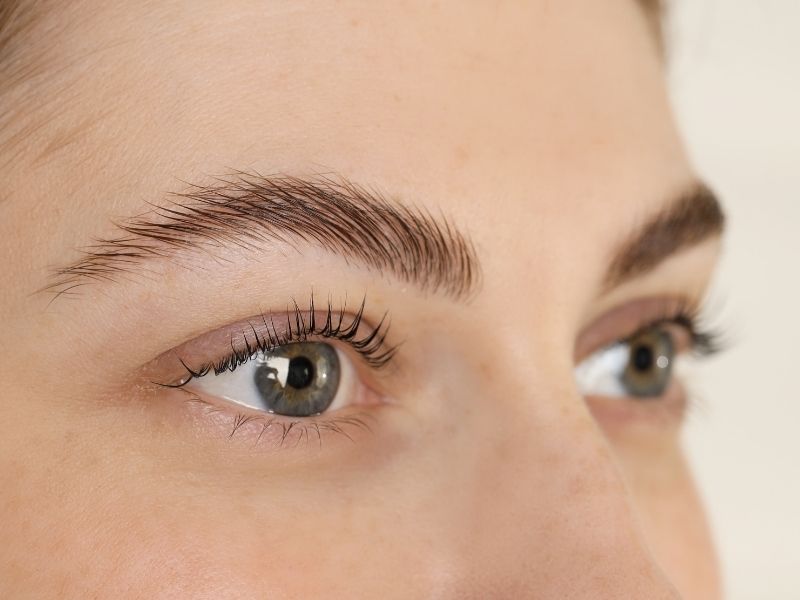
Brow ptosis and upper eyelid sagging are related to each other. Upper blepharoplasty performed without lifting the brow may give insufficient or short-lasting results if brow ptosis is ignored. For this reason, the brow-eyelid area should be evaluated together.
The degree of brow ptosis, age, skin structure and expectations are considered when choosing between surgical and non-surgical options:
Botox brow lift temporarily relaxes the muscles that pull the brow downward (orbicularis oculi, procerus, corrugator) with botulinum toxin, allowing the brow to be positioned slightly higher. It does not require surgery, the procedure takes 10-15 minutes and its effect lasts for 3-4 months.
How many mm of lift is achieved? Usually 1-3 mm — it may be sufficient for mild brow ptosis
Who is it suitable for? Patients with mild to moderate brow ptosis, those who are not ready for surgery or who want to see the result first
Advantage: No anesthesia, no loss of workday, reversible
Disadvantage: Temporary (3-4 months), insufficient in moderate to advanced sagging
When forehead Botox is applied with the wrong dose or to the wrong point, it may overly relax the forehead muscle (frontalis) and cause the brow to fall lower than before. This condition usually resolves on its own within 6-8 weeks. Eye drops or facial exercises recommended by your doctor may be used to speed up the recovery process; a second Botox intervention is not recommended during this period.
A slight lifting and volume effect can be achieved by injecting hyaluronic acid filler under or above the brow. It is not as common as Botox; it is applied in cases where mild brow ptosis is accompanied by volume loss. Its effect lasts 9-12 months.
The brow and forehead tissues are lifted and fixed with the help of an endoscope through 3-5 small incisions made within the scalp. No large externally visible scar remains.
Who is it suitable for? Mild to moderate brow ptosis; patients with a normal or high hairline
Advantage: Minimal scar, fast recovery, long-lasting result
Disadvantage: It may not be sufficient in moderate to advanced sagging
Recovery: Social life in 1-2 weeks, final result in 3-6 months
The brow and forehead tissues are repositioned through incisions made from the hairline in a way that does not damage the hair follicles. It is preferred in patients with a high hairline; it provides effective, long-lasting results in moderate and advanced brow ptosis.
Who is it suitable for? Moderate to advanced brow ptosis; patients with a high hairline
Recovery: Social life in 2-3 weeks, final result in 3-6 months
Scar: Hidden within the hair and becomes less noticeable over time
This is a minimal intervention performed from the temple area, aiming only to lift the outer end of the brow. It is preferred in patients with outer brow sagging whose inner brow position is suitable. Short recovery time and a natural appearance are among its main advantages.


Swelling and bruising around the forehead and brow area are expected. The head should be kept elevated while lying down, and cold compresses should be applied. Looking at screens for long periods should be avoided; reading and computer work should be limited.
In the endoscopic technique, most patients return to social life in weeks 1-2. In the transfollicular technique, this period may be slightly longer. Temporary numbness or sensitivity may be seen in the scalp; this is a normal sign of recovery.
The brows approach their ideal position; however, 3-6 months are required for the final position. Light exercise may be started; high-tempo sports are not allowed.
Recovery is complete, and the tissues have fully adapted to their new position. Sun protection and moisturizing support skin recovery.
Brow ptosis and upper eyelid sagging often occur together. If only the eyelid is treated and the brow is ignored:
The result may not look sufficient in a short time
Eyelid surgery may create a basis for removing more tissue than necessary
The brow remaining low may continue to negatively affect facial expression
For this reason, both areas are evaluated together during examination; a combined plan in a single session is advantageous both economically and functionally.

You can have a personal evaluation for your brow position and facial expression. Preliminary analysis via photograph is available.
WhatsApp: wa.me/905356873700
Phone: +90 535 687 37 00
E-mail: info@tevfiksozen.com
Address: Çankaya / Ankara
When Is the Right Time for Aesthetic Surgery? In this article, we discuss the timing criteria to consider when deciding on aesthetic surgica...
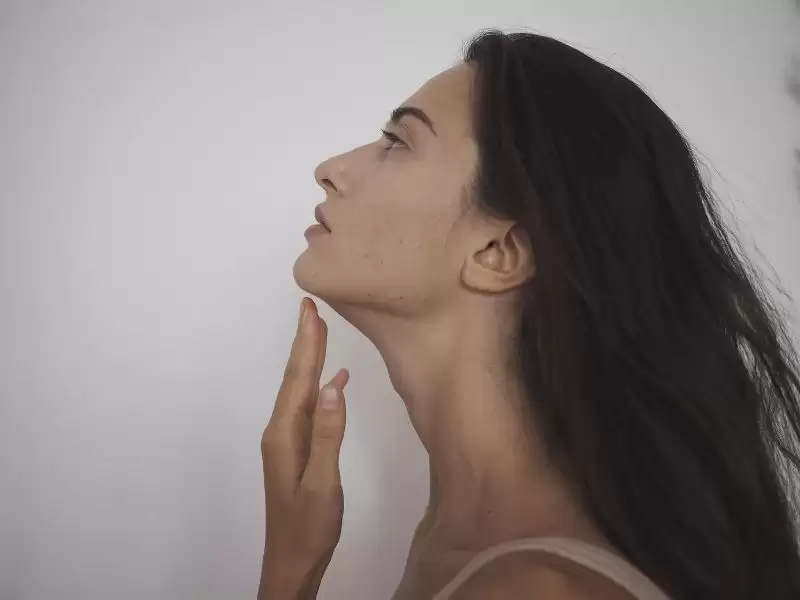
In cases where the chin tip is too far back or too far forward, sufficient correction may not be achieved with implants. In such cases, the ...
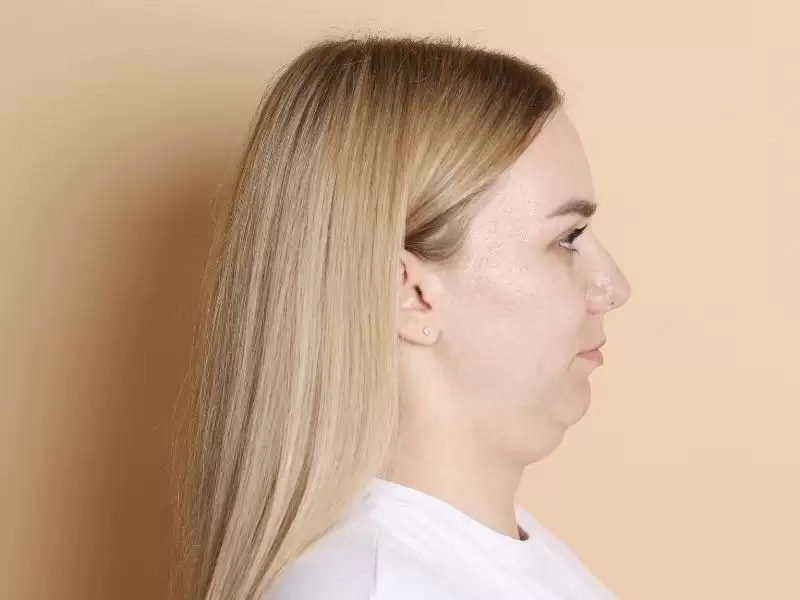
Excess in the double chin area may cause a person to look heavier, older, or more tired than they are. Moreover, this condition is not alway...