
Facial Beauty, Aesthetic Surgery - Health Matters
In the Health Matters program, which features topics that raise awareness about healthy living, today’s subject is facial beauty. ENT Specia...
Today, in rhinoplasty surgery, the goal is to avoid damaging anatomical structures as much as possible. While eliminating patients’ complaints, it is important not to create new ones. For this reason, contemporary surgeries have moved toward minimally invasive interventions. With such approaches, patients are prevented from being away from daily life for a long time. When this approach is applied to rhinoplasty, it highlights the ‘dorsum (nasal bridge) preservation surgery’ technique, which has become more popular in recent years.
Regarding the most up-to-date method in rhinoplasty, ‘dorsum preservation surgery,’ Ear, Nose, Head and Neck Diseases Specialist Associate Professor Dr. Tevfik Sozen shared the following information;
Dorsum preservation rhinoplasty surgeries have regained popularity today based on this goal. Considering that they are thought to have been first described in 1914, this method is not a new technique; it provides great benefit to the surgeon and indirectly to the patient in correcting certain nasal deformities. By not disrupting the relationship in the middle 1/3 section, which is the junction of the nasal cartilage and bone, and by mobilizing the nasal skeleton from the base, this technique both preserves the nasal dorsum and enables the bone mobilization procedure to be solid. Dorsum preservation rhinoplasty can be used in both open and closed rhinoplasty techniques. In the bone mobilization procedure, micro saws, millimetric osteotomes, or a Piezo device can be used. Each of these has effects on post-operative bruising and swelling. The important point here is that the technique is preferred in the correct patient group and applied properly. Undoubtedly, these two requirements are of vital importance in planning any kind of surgery.

Such dorsum preservation techniques were addressed through meetings called ‘PreservationRhinoplasty’ organized first in Istanbul, and then in Nice, France and Rome, Italy. The aim here was to ensure that the technique would be applied safely and successfully for both patients and physicians. It is a source of pride that our country plays a leading role in making such a technique popular again and developing it worldwide. The common conclusion reached in the case discussions at the meetings was that the use of dorsum preservation surgery is quite beneficial in order not to damage the nasal bone and cartilage roof when applied appropriately in a specific patient group.
No technique can be the single and best method to apply in all nose types. As taught in the first year of medical school, ‘There is no disease, there is a patient.’ Each problem can be resolved most successfully by evaluating it within its own context and making a plan specific to it. This rule does not change in rhinoplasty surgeries. Here, what falls to us surgeons is to be continuously open to innovations in order to make the most accurate technique selection and to always aim for the best. What falls to patients is to inform their doctors of their expectations regarding the surgery in all details. The path to a successful result passes through correct communication and the surgery being technically well prepared.
In the Health Matters program, which features topics that raise awareness about healthy living, today’s subject is facial beauty. ENT Specia...
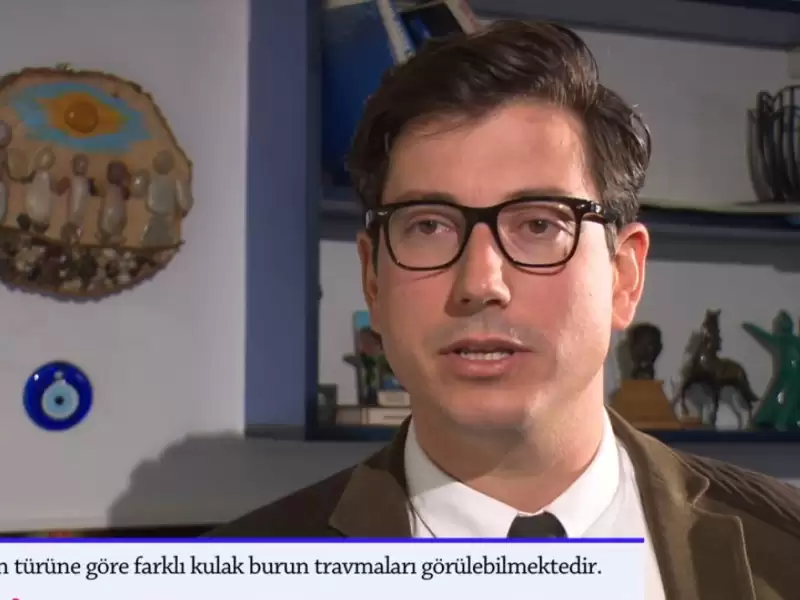
Dr. Tevfik Sözen, a guest on the Healthy Sports program broadcast on TRT Spor Yıldız, explains nasal trauma in full detail....
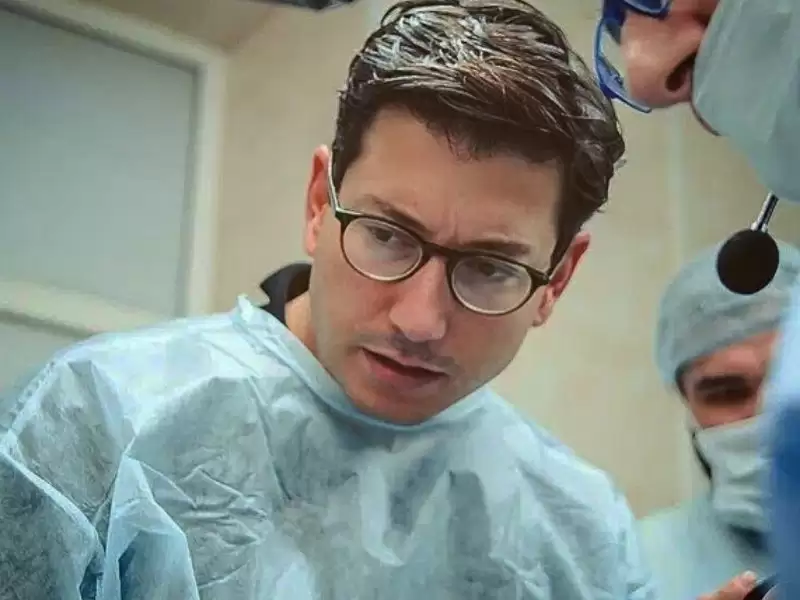
The procedure of removing fat from one area of the body and transferring it to another area is called fat injection/fat transfer. This proce...